

Short Answer
Definition of Radiotherapy
Radiotherapy refers to the medical use of ionizing radiation to treat cancer by destroying malignant cells or inhibiting their growth. This treatment modality employs high-energy photons or particles to target tumors with precision, aiming to maximize damage to cancerous tissues while preserving surrounding healthy cells. Radiotherapy is a cornerstone in oncology, utilized either alone or in combination with surgery and chemotherapy depending on the cancer type and stage.
Types of Radiotherapy Modalities
External Beam Radiation Therapy (EBRT)
EBRT is the most widely used radiotherapy technique in India, involving the delivery of radiation from an external source directed at the tumor. Recent technological advancements have introduced sophisticated methods such as Intensity-Modulated Radiation Therapy (IMRT), Volumetric Modulated Arc Therapy (VMAT), and Stereotactic Body Radiotherapy (SBRT). These approaches employ complex computational algorithms to create three-dimensional maps of tumor size and location, enabling highly accurate radiation delivery.
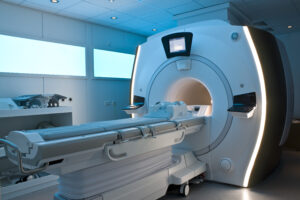
Integration of imaging technologies like Computed Tomography (CT) and Magnetic Resonance Imaging (MRI) has significantly enhanced treatment precision. These imaging tools provide detailed visualization of tumors, allowing oncologists to tailor radiation fields and minimize exposure to adjacent healthy tissues. Urban cancer centers in India often utilize linear accelerators (LINAC) combined with advanced treatment planning software to optimize therapeutic outcomes.
Brachytherapy
Brachytherapy is a form of internal radiotherapy where radioactive sources are placed directly inside or near the tumor. This technique is particularly effective for cancers that are difficult to access externally, such as cervical, prostate, and breast cancers. By delivering a concentrated dose of radiation locally, brachytherapy limits radiation exposure to surrounding organs. Innovations like high-dose-rate (HDR) brachytherapy have shortened treatment durations and improved patient comfort.
Systemic Radiation Therapy
Systemic radiation therapy involves administering radioactive substances that travel through the bloodstream to target cancer cells throughout the body. This approach is especially useful for metastatic cancers and certain hematologic malignancies, such as thyroid cancer. The systemic delivery of radioisotopes allows for treatment of widespread disease, and ongoing research aims to expand its applications across various cancer types.
Applications of Radiotherapy in Cancer Treatment
Radiotherapy serves multiple roles in oncology beyond direct tumor eradication. It is frequently used as a palliative measure to relieve symptoms in advanced cancer stages, improving patient quality of life. Additionally, radiotherapy is integrated into multidisciplinary treatment plans, often combined with chemotherapy and surgery for enhanced effectiveness.
- Neoadjuvant Radiotherapy:
Administered before surgery to shrink tumors, facilitating easier and more successful surgical removal. - Adjuvant Radiotherapy:
Applied postoperatively to eliminate residual microscopic cancer cells, thereby reducing the risk of recurrence, particularly in breast and lung cancers.
This multifaceted use underscores radiotherapy’s vital role in comprehensive cancer management.
Challenges in Radiotherapy Delivery in India
Despite significant progress, several obstacles hinder the widespread implementation of radiotherapy across India. Access to advanced radiotherapy technology remains limited, especially in rural and economically disadvantaged regions, leading to disparities in cancer care availability.
- Infrastructure Deficits:
Many treatment centers lack modern equipment, treatment planning software, and quality assurance systems necessary for optimal care. - Human Resource Shortages:
There is a scarcity of trained oncologists, medical physicists, and radiotherapy technicians, which affects service delivery. - Financial and Logistical Barriers:
High transportation costs and limited patient awareness further restrict access to timely treatment.
Addressing these challenges requires government initiatives to subsidize treatment expenses, expand infrastructure, and promote equitable distribution of radiotherapy services.
Technological Innovations and Future Directions
The future of radiotherapy in India is promising, driven by emerging technologies and research. Artificial intelligence (AI) is poised to transform treatment planning and patient management by enabling personalized therapy regimens and reducing side effects. Advances in radiobiology are refining therapeutic protocols, fostering novel combinations of radiotherapy with immunotherapy and targeted drugs to enhance efficacy.
Continued investment in technology, training, and research will be crucial to harness these innovations and improve cancer outcomes nationwide.
Importance of Radiotherapy in Oncology
Radiotherapy remains a fundamental pillar in cancer treatment due to its ability to precisely target tumors, improve survival rates, and alleviate symptoms. Its integration with other treatment modalities enhances overall therapeutic success. In a country like India, facing a rising cancer burden, expanding access to advanced radiotherapy is essential for reducing mortality and improving patient quality of life.
Summary
In summary, radiotherapy in India encompasses a range of sophisticated treatment techniques including EBRT, brachytherapy, and systemic radiation therapy. While technological advancements have improved precision and outcomes, challenges related to accessibility and infrastructure persist. The ongoing evolution of radiotherapy, supported by AI and novel research, holds great potential to transform cancer care. Strategic efforts to enhance availability, affordability, and awareness will ensure radiotherapy continues to be a beacon of hope for cancer patients across the nation.
FAQ
What is radiotherapy and how is it used in cancer treatment?
Radiotherapy uses ionizing radiation to destroy or inhibit cancer cells, often combined with surgery and chemotherapy for optimal outcomes.
Which radiotherapy techniques are commonly used in India?
Techniques include External Beam Radiation Therapy (EBRT) with IMRT, VMAT, SBRT, and internal treatments like brachytherapy.
What are the challenges faced by radiotherapy services in India?
Challenges include limited access in rural areas, lack of advanced machines and software, shortage of skilled staff, and affordability issues.
How is technology improving radiotherapy in India?
Improvements stem from advanced imaging, precise radiation delivery machines, treatment planning software, and emerging AI applications.
What future advancements are expected in radiotherapy?
Future advancements include personalized treatment via AI, combining radiotherapy with immunotherapy, and expanding infrastructure and training.


Leave a Reply