Are papers 3D or 2D?

Understanding Dimensionality in Objects The concept of dimensionality, a fundamental topic in both physics and philosophy, explores the spatial properties of objects. Dimensions describe the measurable extents of an object in space, typically categorized as one-dimensional (length), two-dimensional (length and width), or three-dimensional (length, width, and height/depth). This framework helps us interpret the physical world […]

Read More →

Advanced Materials 3?

Definition of Advanced Materials Advanced materials refer to a diverse group of engineered substances designed to exhibit superior properties and enhanced functionalities compared to traditional materials. These materials are pivotal in driving innovation across various industries by offering improved performance characteristics such as increased strength, lighter weight, enhanced durability, and responsiveness to environmental stimuli. The […]

Read More →

Is hydrogen an element or an atom?

Definition of Hydrogen Hydrogen is the simplest and most abundant chemical element in the universe. It is fundamental to the composition of matter and plays a crucial role in both cosmic and terrestrial phenomena. As an element, hydrogen is defined by its atomic number, which is one, indicating it contains a single proton in its […]

Read More →

Borexino Bags Geoneutrinos: Earth’s Core Sends Ghostly Signals

Definition of Geoneutrinos and Their Scientific Significance Geoneutrinos are elusive subatomic particles generated by radioactive decay processes occurring deep within the Earth’s interior. These neutrinos, originating primarily from the decay of uranium and thorium isotopes in the mantle and crust, provide a novel window into the planet’s internal composition and thermal dynamics. Their study offers […]

Read More →

A Simpler Way to Test Quantum Computers: Cutting Through the Qubits

Understanding Quantum Computing and Its Challenges Quantum computing represents a revolutionary paradigm in information processing, where the fundamental units-qubits-operate under principles vastly different from classical bits. Unlike traditional binary bits restricted to states of 0 or 1, qubits exist in superpositions, simultaneously embodying multiple states until measured. This unique characteristic, reminiscent of the famous Schrödinger’s […]

Read More →

What is Dirac semimetal?

Definition of Dirac Semimetals Dirac semimetals represent a distinctive phase of matter in condensed matter physics, where the electronic band structure features unique nodal points known as Dirac points. These materials embody a fascinating intersection of relativistic quantum mechanics and solid-state physics, exhibiting electronic behaviors that challenge traditional frameworks. Understanding Dirac semimetals requires exploring the […]

Read More →

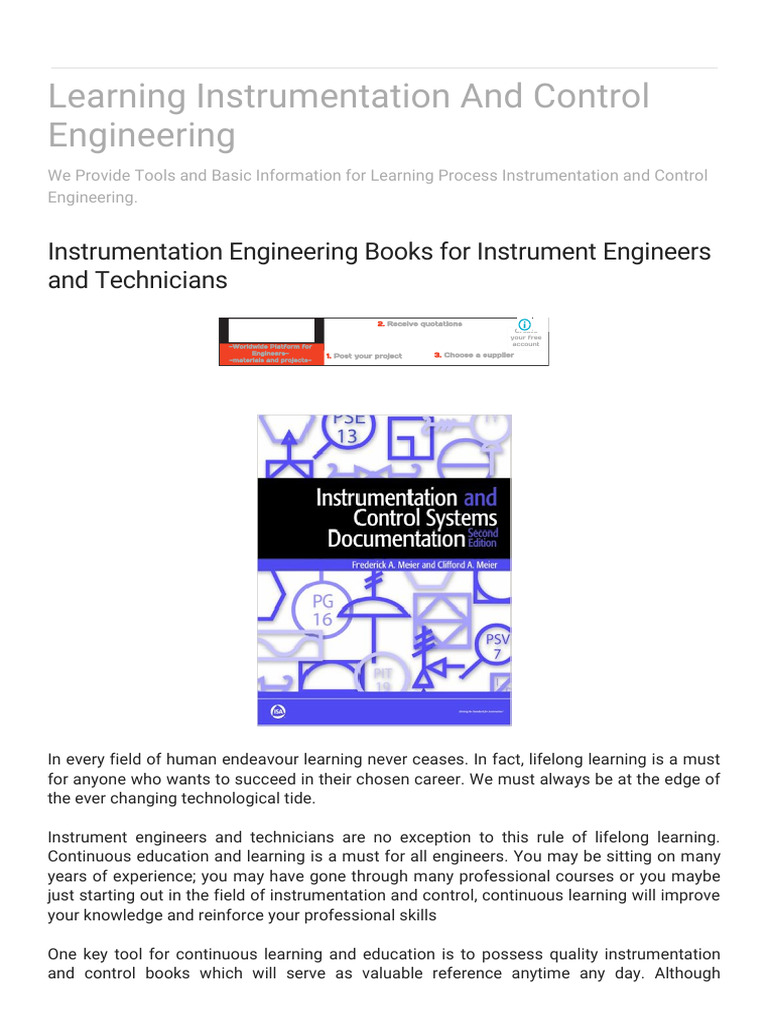
What is the best book for control systems to beginner?

Definition of Control Systems Engineering Control Systems Engineering is a branch of engineering focused on designing, analyzing, and managing systems that regulate themselves to achieve desired behaviors. It involves understanding how systems respond to inputs and disturbances, ensuring stability, and optimizing performance through feedback mechanisms. Control System: A set of devices or algorithms that manage, […]

Read More →

What problems do we need quantum computing to solve?

Understanding Quantum Computing Quantum computing represents a groundbreaking shift in computational technology, harnessing the unique principles of quantum mechanics to process information in fundamentally new ways. Unlike classical computers that use bits as units of data, quantum computers utilize quantum bits or qubits, which can exist in multiple states simultaneously due to superposition. This capability […]

Read More →

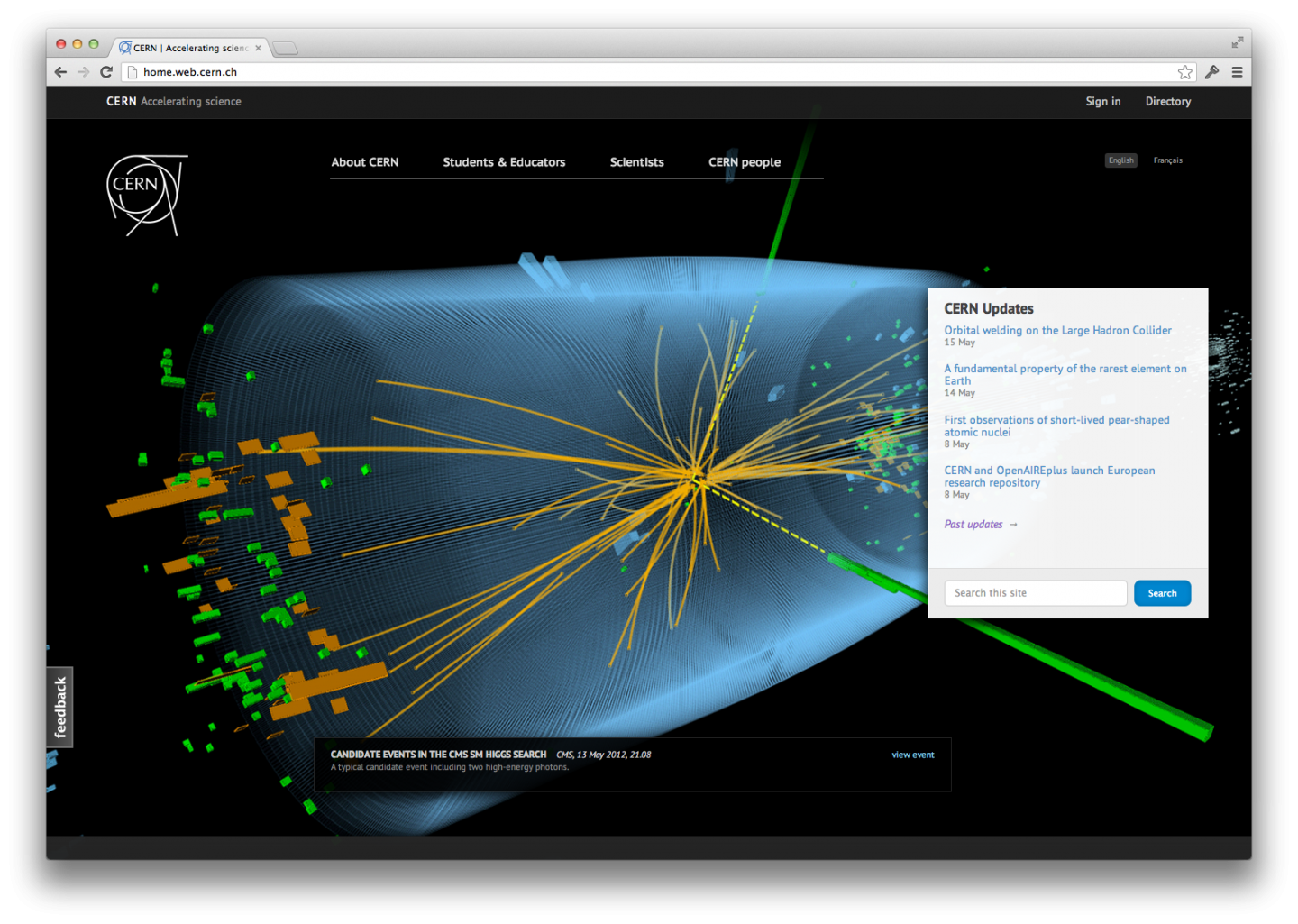
How does a particle accelerator/collider work?

Definition of Particle Accelerators and Colliders Particle accelerators and colliders are sophisticated scientific instruments designed to propel subatomic particles to extremely high velocities, often nearing the speed of light. These devices enable researchers to probe the fundamental building blocks of matter and the forces that govern their interactions. Ranging from large-scale facilities like CERN’s Large […]

Read More →

How are quantum computing and quantum physics related?

Understanding Quantum Physics Quantum physics explores the behavior of matter and energy at the smallest scales, where classical physics no longer applies. Unlike deterministic classical laws, quantum mechanics introduces a probabilistic framework to describe subatomic particles. A key concept is superposition, which allows particles to exist in multiple states simultaneously until observed. This principle fundamentally […]

Read More →