
Short Answer
Definition of Automation and Instrumentation
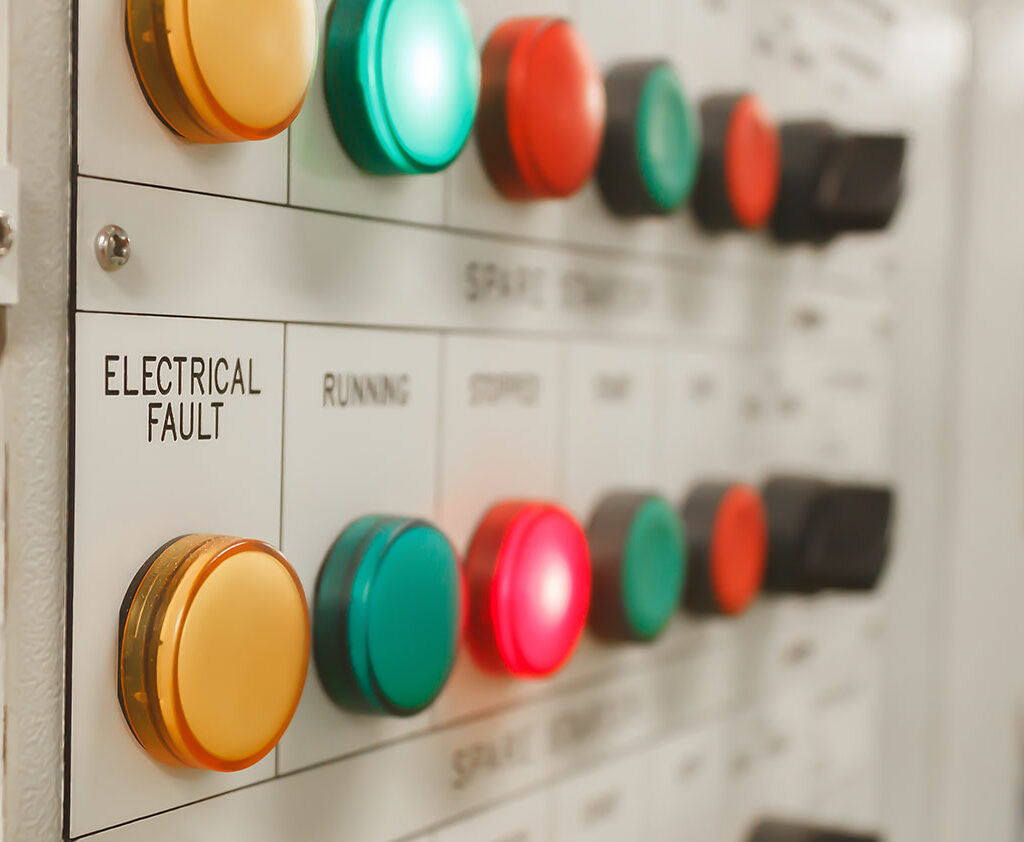
Automation and instrumentation are fundamental pillars in contemporary engineering, functioning much like a conductor guiding an orchestra. Automation manages the smooth execution of processes with minimal human input, while instrumentation acts as the sensory system that collects and analyzes data to inform decisions. Together, they form an integrated framework that drives efficiency and precision across diverse industries.
Understanding Automation
Automation refers to the deployment of technology to operate machinery or systems with little to no human involvement. It conjures the image of an advanced machine performing a sequence of programmed tasks, thereby boosting productivity and minimizing human error. Automation spans a wide range of applications, from robotic manufacturing lines to software that automates administrative duties.
The origins of automation date back to early mechanical inventions like the watermill and the loom. However, the modern era, often termed Industry 4.0, marks a significant evolution characterized by digital integration and the Internet of Things (IoT). Today’s automation systems are not just replacements for manual labor; they are intelligent entities capable of learning, adapting, and forecasting operational needs.
- Efficiency:
Automation enables continuous operation beyond human physical limits, resulting in consistent and enhanced productivity. - Precision:
Automated systems maintain high accuracy, crucial in sectors where even minor errors can lead to severe consequences.
The Function and Importance of Instrumentation
Instrumentation serves as the sensory network within engineering systems, tasked with measuring, monitoring, and controlling physical parameters. This field includes a broad spectrum of devices, from simple sensors to complex analytical instruments, which provide vital data to operators for maintaining system stability and performance.
Instrumentation is especially critical in industries such as aerospace, pharmaceuticals, and environmental science. By accurately tracking variables like temperature, pressure, and flow, instrumentation ensures compliance with safety regulations and optimizes operational processes. For example, in pharmaceutical manufacturing, the synergy between instrumentation and automation guarantees strict adherence to formulations, safeguarding product quality.
Integration of Automation and Instrumentation
The fusion of automation and instrumentation creates a sophisticated feedback system. Instrumentation collects real-time data, which automation systems use to dynamically adjust operations. This interplay enhances flexibility and responsiveness, essential in today’s fast-paced markets.
Imagine a smart factory where machines autonomously operate based on continuous sensor input. Automation reacts instantly to data fluctuations by modifying production speeds, managing inventory, or halting equipment to prevent failures. This seamless coordination exemplifies how these technologies collectively push the boundaries of industrial innovation.
Challenges in Implementing Automation and Instrumentation
Despite their benefits, adopting automation and instrumentation presents several obstacles. High initial costs can be prohibitive for many organizations. Additionally, the specialized knowledge required to deploy and maintain these systems is often limited, necessitating ongoing training programs.
Ethical concerns also emerge as automation replaces human roles, sparking debates about job displacement and economic inequality. Questions arise about whether new employment opportunities will arise or if the workforce will face increased disparities.
Balancing technological progress with human-centered values is crucial. Companies must integrate these systems thoughtfully while fostering an inclusive environment that respects and supports human contributions.
Future Trends and Prospects
The future of automation and instrumentation is promising, driven by advancements in artificial intelligence and machine learning. These innovations are expected to elevate efficiency and adaptability to new heights. The concept of “smart” environments is expanding beyond industrial settings to healthcare, urban development, and residential applications, such as smart homes and connected city infrastructure.
This ongoing evolution reflects humanity’s quest for greater precision and productivity, while simultaneously confronting the social implications of technological change. A comprehensive approach that combines innovation with ethical responsibility will be essential to cultivate a future where technology and human dignity coexist harmoniously.
FAQ
What is automation?
Automation is the use of technology to operate systems with minimal human intervention, enhancing productivity and reducing errors.
What role does instrumentation play?
Instrumentation measures and monitors physical parameters, providing data crucial for maintaining system performance and safety.
How are automation and instrumentation integrated?
They work together by using real-time data from instrumentation to dynamically adjust automated operations, ensuring efficiency and flexibility.
What are the challenges in implementing these technologies?
Challenges include high initial costs, the need for specialized knowledge, and ethical concerns regarding job displacement.


Leave a Reply