Mathematics Used in Condensed Matter Physics: A Tour of the Toolbox

Definition of Mathematical Framework in Condensed Matter Physics Condensed matter physics is a branch of physics focused on understanding the properties and behaviors of matter in its solid and liquid phases, spanning microscopic to macroscopic scales. The mathematical framework in this field acts as a critical foundation, enabling scientists to decode complex phenomena by applying […]


Read More →

What is quantum computing and what is it’s scope in future?

Definition of Quantum Computing Quantum computing is an innovative computational approach that harnesses the unique principles of quantum mechanics to process information in ways fundamentally distinct from classical binary systems. Unlike traditional computers that use bits as the smallest unit of data, quantum computers employ quantum bits, or qubits, which can exist in multiple states […]

Read More →

How fast can a quantum computer brute force? – Scientific Stuff?

Definition of Quantum Computing and Brute Force Quantum computing represents a revolutionary approach in the field of computer science, offering a fundamentally different way to process information compared to classical computing. It leverages the principles of quantum mechanics to perform computations that are infeasible for traditional computers. Brute force, in computational terms, refers to a […]

Read More →

Why is clean energy important for the environment?

Definition of Clean Energy Clean energy refers to power generated from sources that produce minimal or no greenhouse gas emissions during operation, thereby reducing environmental harm. These energy forms are primarily renewable and sustainable, offering alternatives to traditional fossil fuels that contribute significantly to climate change and pollution. Renewable Sources: Include solar, wind, geothermal, hydroelectric, […]

Read More →

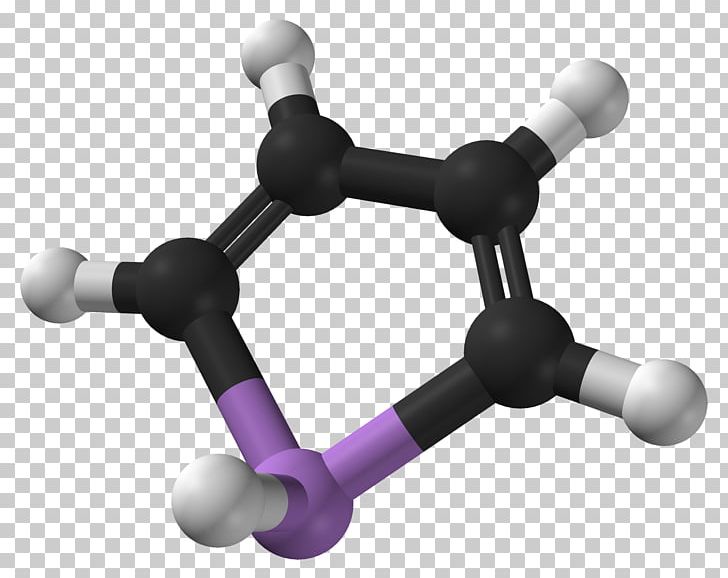
Chemistry: What do the molecular orbitals of arsole look like?

Definition of Arsole Arsole is an organoarsenic compound characterized by a five-membered aromatic ring in which an arsenic atom replaces one of the carbon atoms typically found in analogous heterocycles like pyrrole. This substitution results in a unique molecular structure that exhibits aromaticity, a key feature influencing its chemical properties and stability. Although less prevalent […]

Read More →

How does sustainable architecture benefit the environment?

Definition of Sustainable Architecture Sustainable architecture is an innovative design philosophy that integrates environmental consciousness with aesthetic and functional building practices. It aims to create structures that minimize ecological impact while enhancing human well-being. This approach counters the traditional reliance on fossil fuels and resource-intensive construction methods by fostering harmony between built environments and natural […]

Read More →

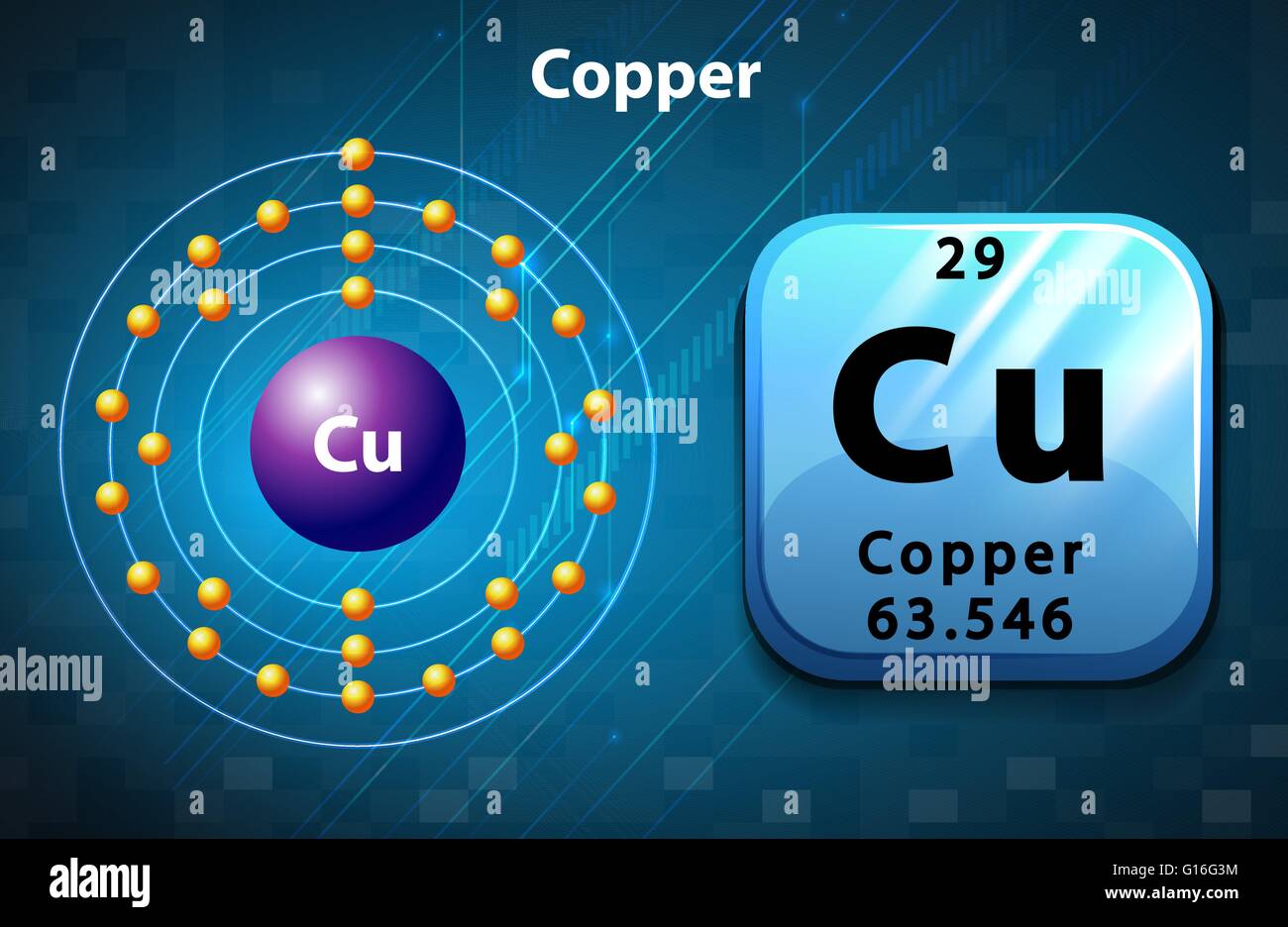
Is copper an atom or a molecule?

Definition of Copper and Its Atomic Nature Copper is a chemical element found on the periodic table, recognized as a metal with a distinctive atomic configuration and a wide range of physical and chemical properties. To clarify the question, “Is copper an atom or a molecule?” it is essential to first understand the fundamental differences […]

Read More →

China makes breakthrough in quantum computing dilution refrigerator?

Understanding Quantum Computing Quantum computing represents a revolutionary approach to processing information, fundamentally distinct from classical computing. It harnesses the principles of quantum mechanics, enabling computations that far exceed the capabilities of traditional binary systems. The basic units of quantum information are quantum bits, or qubits, which can exist simultaneously in multiple states through a […]

Read More →

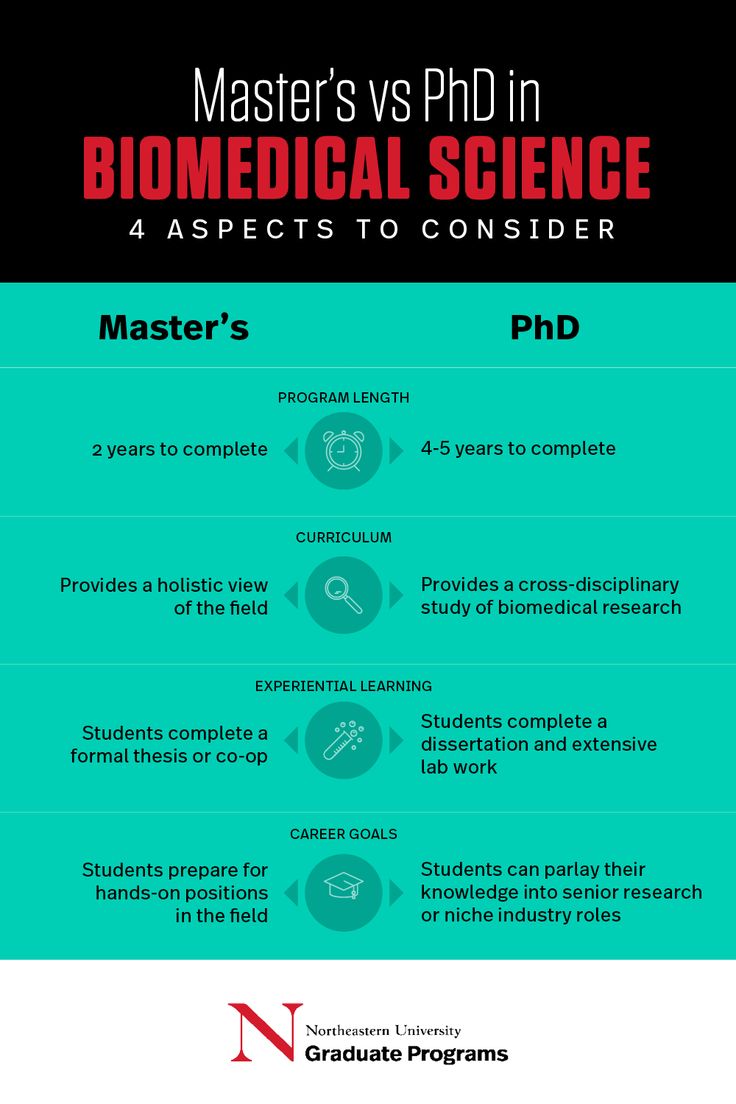
Should I Get a PhD in Biology or Biomedical Engineering?

Overview of PhD Choices: Biology vs. Biomedical Engineering Choosing between a doctoral program in Biology or Biomedical Engineering represents a significant crossroads for many aspiring researchers and professionals. Both disciplines offer opportunities to engage in pioneering research and contribute to advancements in health sciences. However, their distinct approaches and methodologies present unique benefits and challenges […]

Read More →

How many neutrinos do we ‘catch’ per day?

Understanding Neutrinos Neutrinos are fundamental subatomic particles known for their elusive nature and minimal interaction with matter. They originate from a variety of cosmic and terrestrial processes, including nuclear reactions within stars, explosive supernova events, and human-engineered nuclear reactors. Due to their weak interaction with other particles, neutrinos can travel immense distances unimpeded, making their […]

Read More →