
Short Answer
Definition of Copper and Its Atomic Nature
Copper is a chemical element found on the periodic table, recognized as a metal with a distinctive atomic configuration and a wide range of physical and chemical properties. To clarify the question, “Is copper an atom or a molecule?” it is essential to first understand the fundamental differences between atoms and molecules, and then examine copper’s characteristics in light of these definitions.
- Atom:
The smallest unit of an element that retains its chemical identity, composed of a nucleus containing protons and neutrons, surrounded by electrons. - Molecule:
A structure formed when two or more atoms bond chemically, which can be covalent, ionic, or metallic, resulting in compounds or larger assemblies.
Atomic Structure and Properties of Copper
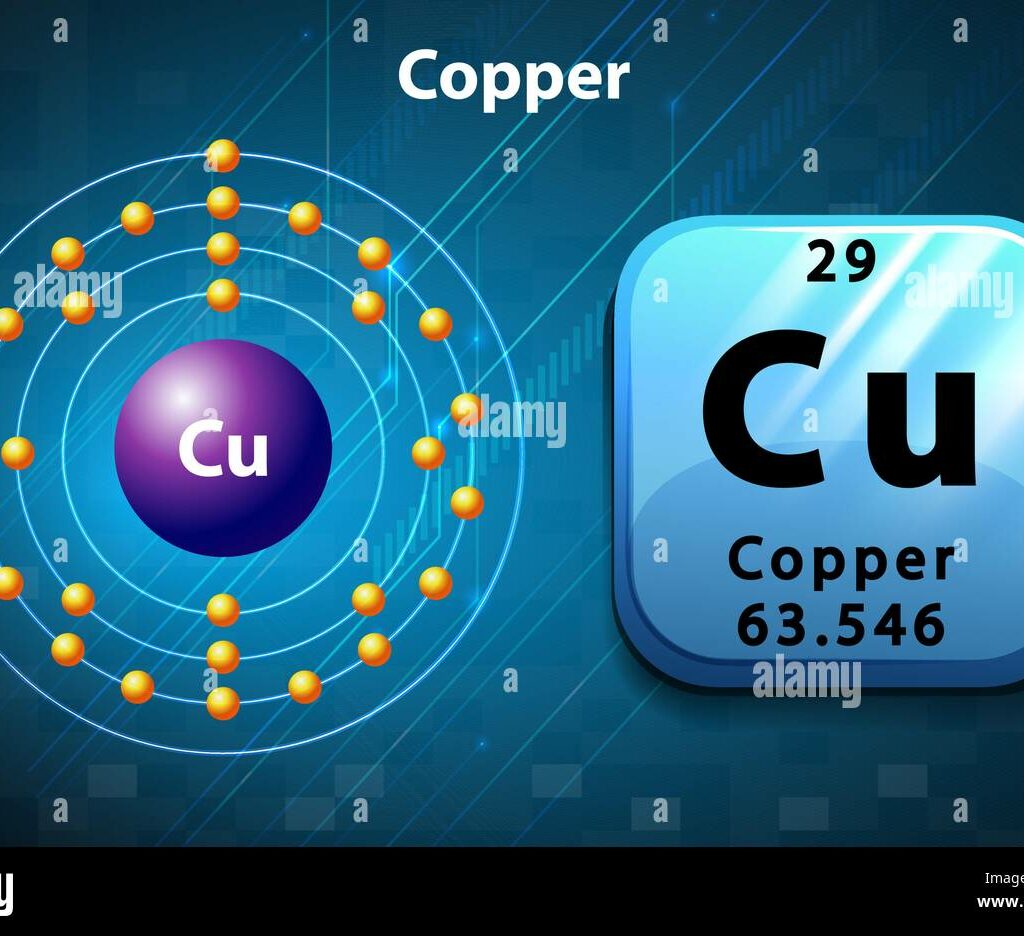
Copper, symbolized as Cu with an atomic number of 29, is defined by its unique atomic structure. Each copper atom contains 29 protons, a variable number of neutrons, and 29 electrons arranged in a specific configuration: [Ar] 3d10 4s1. This electron arrangement is crucial in determining copper’s chemical behavior and physical traits, such as its excellent electrical and thermal conductivity, malleability, and ductility.
Copper as an Atom Versus Copper in Molecular Form
By definition, copper in its pure elemental form exists as individual atoms. However, copper atoms frequently combine to form larger structures, including molecules and compounds. For example, copper(II) sulfate (CuSO4) is a compound where copper atoms chemically bond with sulfate ions, creating a molecule. This duality illustrates that while copper fundamentally exists as an atom, it also participates in molecular formations.
Biological Significance of Copper at the Molecular Level
In living organisms, copper plays an indispensable role as a micronutrient. It is involved in numerous enzymatic processes, such as iron metabolism, collagen production, and neurotransmitter synthesis. Copper is a key component of proteins like ceruloplasmin and cytochrome c, demonstrating its molecular importance in facilitating complex biochemical reactions. These interactions highlight how individual copper atoms contribute to vital biological functions by forming molecular complexes.
Technological Applications and Molecular Combinations of Copper
Copper’s atomic properties make it invaluable in various technological fields, especially electrical engineering and electronics. Its low electrical resistance and high thermal conductivity make copper the preferred material for wiring and circuitry. Additionally, copper forms alloys such as bronze and brass by combining with other metals, resulting in molecules with enhanced mechanical and chemical properties. These molecular combinations extend copper’s utility and impact in modern technology.
Environmental Impact of Copper and Its Molecular Forms
Although copper is naturally abundant, its extraction and processing can have significant environmental consequences. Elevated copper concentrations in ecosystems can be toxic to aquatic organisms, leading to bioaccumulation and disruption of ecological balance. This environmental aspect underscores copper’s dual existence as both an elemental atom and as part of molecular compounds that influence natural habitats.
Historical Context and the Evolution of Copper Usage
Copper has played a pivotal role throughout human history, from its use in ancient tools to its integration into contemporary electrical systems. The “Copper Age” marks a significant era in technological progress, illustrating how countless copper atoms have been harnessed collectively to create functional materials and innovations that shaped civilization.
Summary: Copper’s Dual Identity and Its Broader Implications
In summary, copper is fundamentally an atom, serving as a basic unit of matter with unique properties. However, its ability to form molecules and compounds expands its significance across biological, technological, and environmental domains. The question of whether copper is an atom or a molecule invites a deeper understanding of how elemental units combine to produce complex structures and phenomena, reflecting the intricate interplay between atomic and molecular science.
FAQ
What is copper?
Copper is a chemical element, symbolized as Cu, known for its atomic structure and properties.
Is copper a molecule?
No, copper in its pure form is an atom, but it can form molecules when it combines with other elements.





Leave a Reply