What is a more practical alternative to quantum computing?

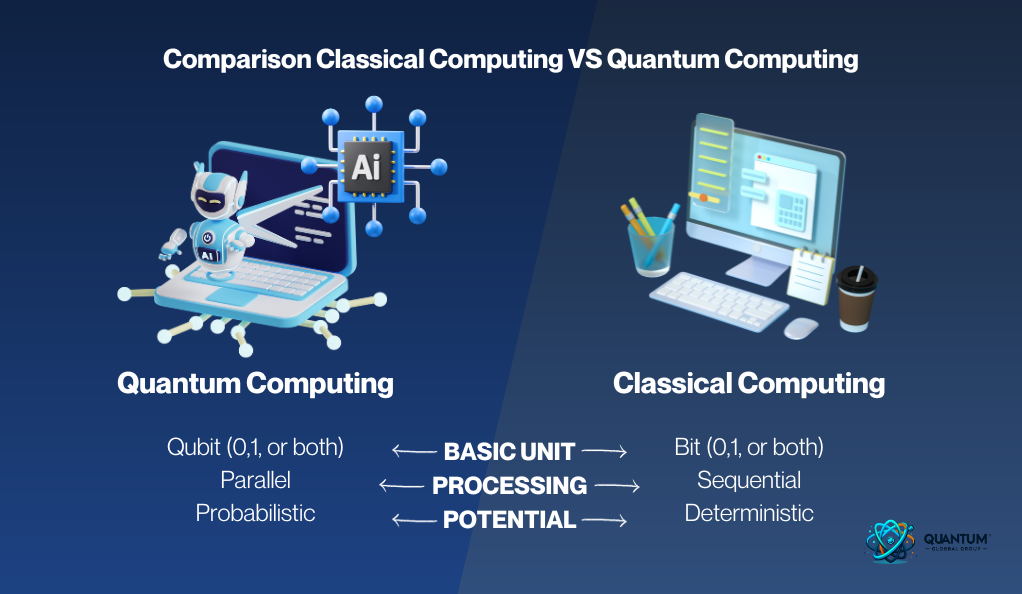
Understanding Alternatives to Quantum Computing Quantum computing is often celebrated as a groundbreaking shift in computational technology, promising extraordinary speed and efficiency in solving problems that stump classical computers. Yet, the practical challenges of developing scalable quantum systems prompt an important inquiry: what viable alternatives exist that can tackle complex computational problems without delving into […]


Read More →

How do atoms form chemical bonds?

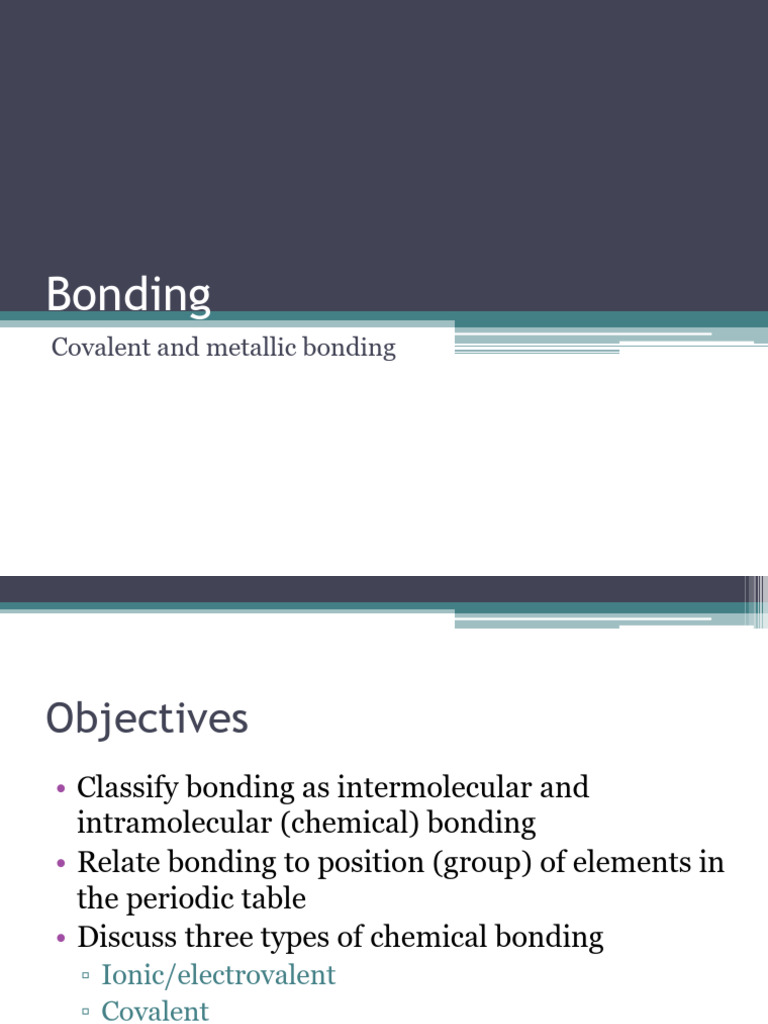
Definition of Chemical Bonding Chemical bonding refers to the process by which atoms connect to form molecules and compounds, creating the vast variety of materials found in the universe. These bonds arise from interactions involving electrons, which determine the structure, stability, and properties of substances. The primary categories of chemical bonds include ionic, covalent, and […]

Read More →

Why is high-performance computing important?

Definition of High-Performance Computing (HPC) High-Performance Computing (HPC) refers to the use of advanced computational systems designed to process and analyze extremely large datasets at exceptional speeds. These systems, which often include supercomputers and networks of interconnected processors, enable the execution of complex calculations and simulations that are beyond the reach of conventional computing platforms. […]

Read More →

What are the types of atomic bonding?

Definition of Atomic Bonding Atomic bonding refers to the fundamental interactions that hold atoms together, forming molecules and solid materials. These bonds determine the structural and chemical characteristics of substances, influencing properties such as electrical conductivity, melting and boiling points, and mechanical strength. Understanding atomic bonding is essential for explaining how different materials behave under […]

Read More →

How does light interact with matter?

Definition of Light-Matter Interaction Light-matter interaction refers to the various ways in which electromagnetic radiation, particularly visible light, engages with different materials. This interaction encompasses phenomena such as reflection, refraction, absorption, scattering, and emission, which collectively influence how light behaves when it encounters matter. Understanding these processes is fundamental to fields ranging from optics and […]

Read More →

How can quantum computing help automotive technologies?

Definition of Quantum Computing in Automotive Technology Quantum computing merges the principles of quantum mechanics with advanced computational theories, offering transformative potential across various sectors, particularly in automotive technology. This emerging field promises to redefine vehicle design, safety measures, and operational efficiency by leveraging quantum phenomena to solve complex problems beyond the reach of classical […]

Read More →

Going Loopy Over Consciousness: Can Physics Explain the Mind?

Understanding Consciousness Consciousness remains one of the most profound and puzzling phenomena, captivating thinkers across philosophy, science, and everyday life. At its core, consciousness can be described as the awareness of oneself and the environment, coupled with the ability to reflect on this awareness. However, this simple definition barely scratches the surface of the intricate […]

Read More →

What are some small

Definition of “Smallness” Across Disciplines The concept of “smallness” encompasses a wide range of phenomena, from microscopic organisms to subtle human behaviors. Despite their limited size or scale, these elements often hold significant influence in natural, technological, ecological, social, and artistic contexts. Understanding the multifaceted nature of smallness reveals its profound impact on various systems […]

Read More →

Do atoms control time?

Understanding Time: A Fundamental Concept Time is a fundamental dimension that has intrigued humanity for centuries, serving as a framework to order events and experiences. Traditionally, time is viewed as a continuous, linear progression that sequences the past, present, and future. Early scientific thought, especially within Newtonian mechanics, treated time as an absolute and unchanging […]

Read More →

If you are having an MRI scan what does the ‘M’ stand for?

Definition of MRI and the Significance of ‘Magnetic’ Magnetic Resonance Imaging (MRI) is a cutting-edge diagnostic tool widely used in modern medicine to generate detailed images of the body’s internal structures. The term “MRI” highlights the essential role of magnetism in this technology, with the letter ‘M’ specifically representing “Magnetic.” This reflects the reliance on […]

Read More →