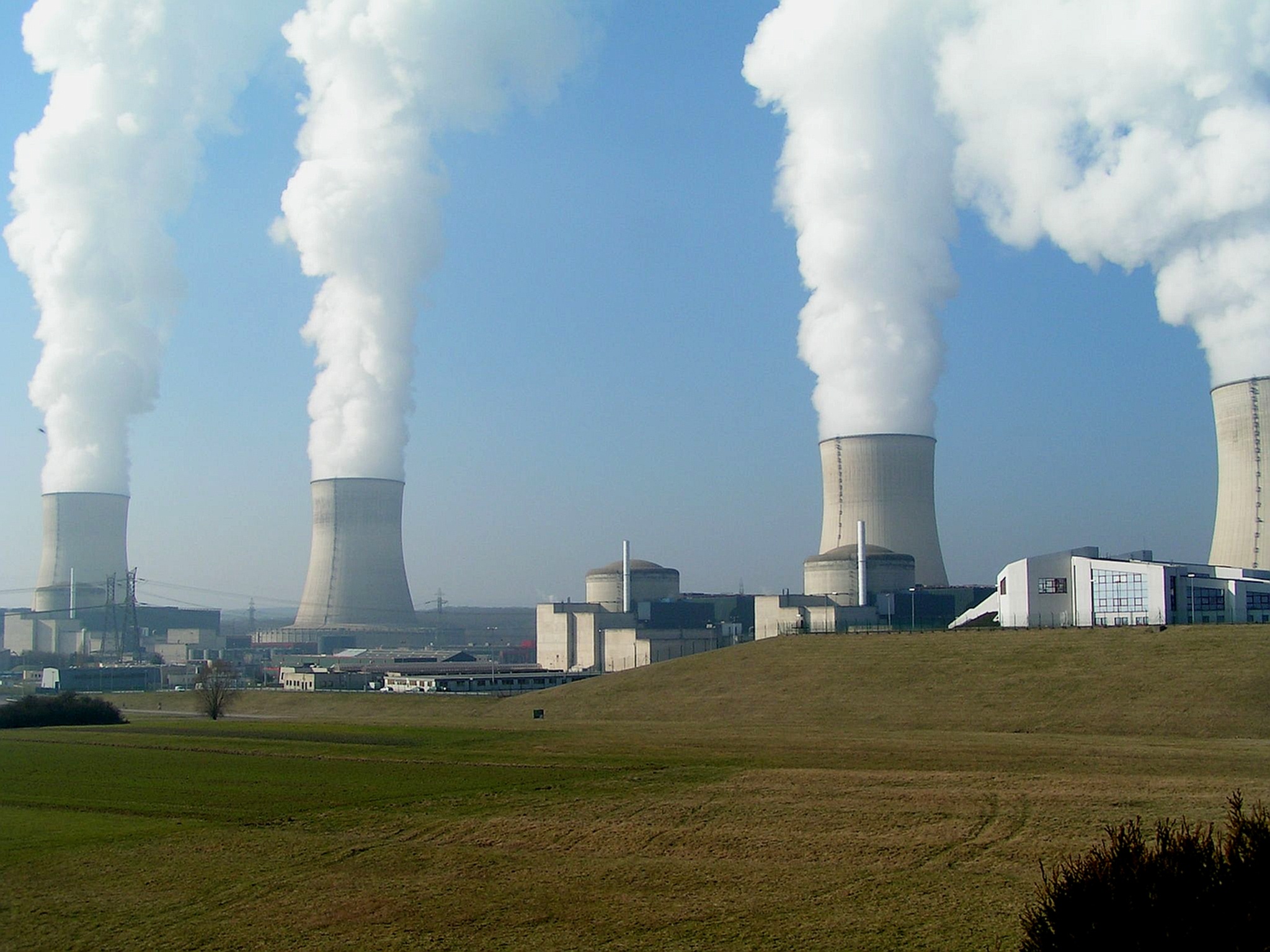
Is nuclear engineering a good field?

Definition of Nuclear Engineering Nuclear engineering is a specialized branch of engineering focused on the application of nuclear processes and radiation to develop technologies that harness atomic energy. It encompasses the design, construction, and operation of nuclear reactors, as well as the management of nuclear materials and safety protocols. This discipline integrates principles from physics, […]


Read More →

What are instrumentation fittings?

Definition of Instrumentation Fittings Instrumentation fittings are specialized components used within industrial systems to facilitate the controlled flow and measurement of fluids, gases, and other media. These fittings serve as critical connectors that ensure the integrity and precision of instrumentation setups, particularly in environments where accurate data collection and fluid management are essential. Typically manufactured […]

Read More →

What is chromatic dispersion in fiber optics?

Definition of Chromatic Dispersion Chromatic dispersion is a fundamental optical phenomenon observed in fiber optic communication, where different wavelengths of light propagate through a medium at distinct velocities. This variation in speed causes the spreading of light pulses over time, which can affect the clarity and efficiency of data transmission. In fiber optics, where multiple […]

Read More →

What are the best journals in number theory to publish?

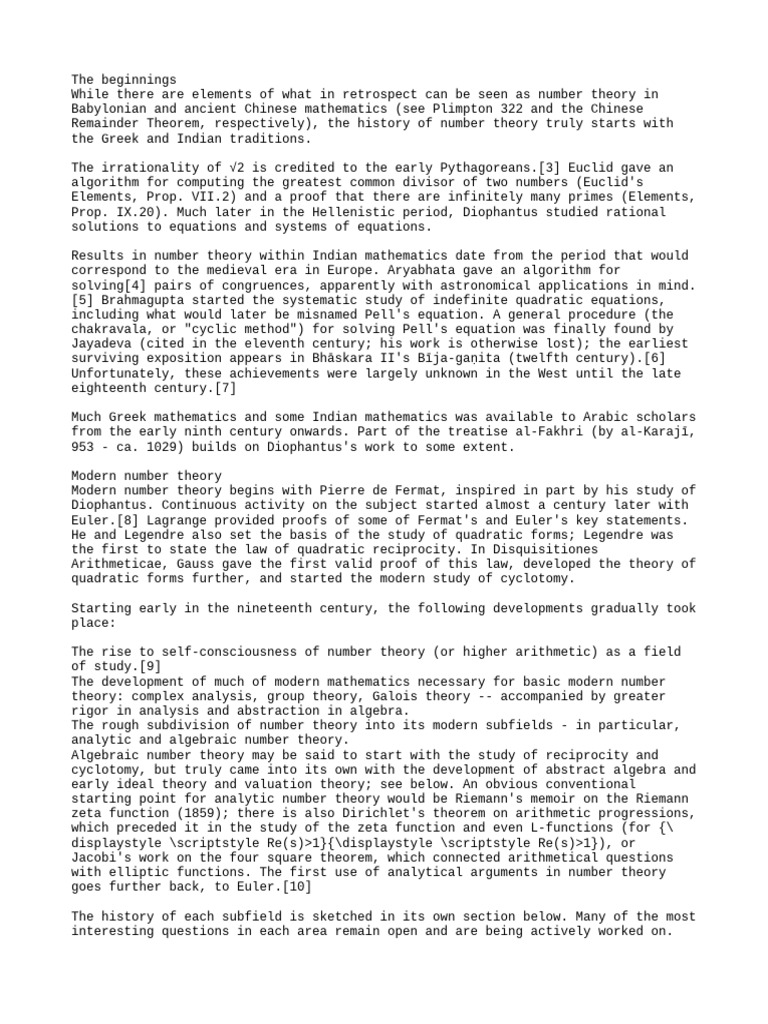
Definition of Number Theory Journals Academic journals dedicated to number theory serve as essential platforms for disseminating research in this complex and abstract branch of mathematics. These publications cover a wide range of topics within number theory, from classical problems to modern computational applications, providing researchers with venues to share original findings, theoretical advancements, and […]

Read More →

Is sustainable energy cost effective and truly efficient?

Definition of Sustainable Energy Sustainable energy refers to power generated from sources that are naturally replenished and have minimal environmental impact. These energy forms include solar, wind, hydroelectric, geothermal, and biomass, all of which can be utilized without exhausting natural reserves or causing significant ecological damage. The concept emphasizes long-term availability and environmental stewardship, distinguishing […]

Read More →

Atoms Hold the Picture: Storing 2D Images Longer Than Ever

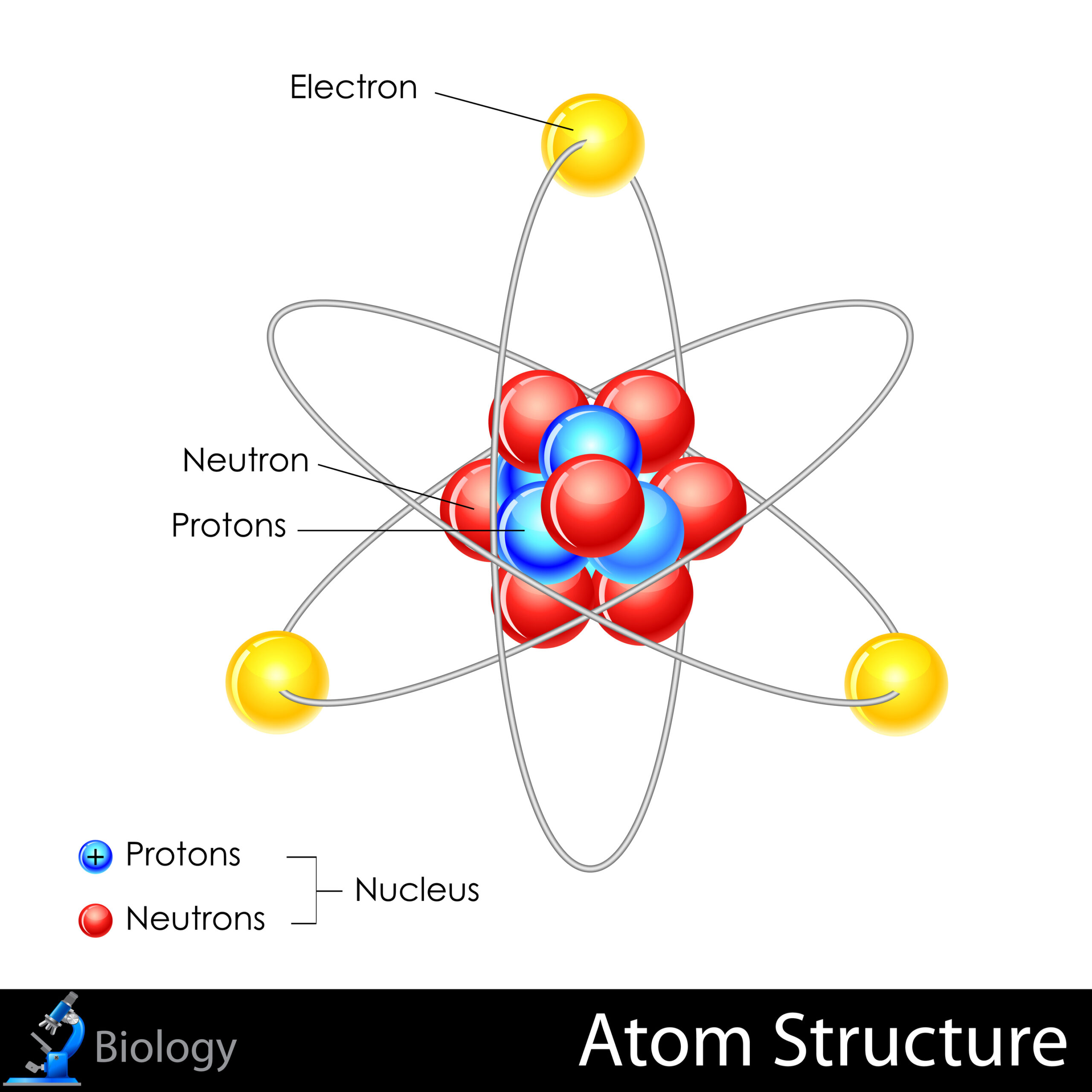
Understanding Atomic Image Storage Atomic image storage represents a cutting-edge frontier in physics and materials science, where individual atoms serve as the fundamental units for encoding and preserving information. Unlike traditional digital storage devices such as magnetic hard drives and solid-state drives, which are constrained by physical limits in data density and durability, atomic storage […]

Read More →

QCaaS Explained: When Quantum Computing Meets the Cloud

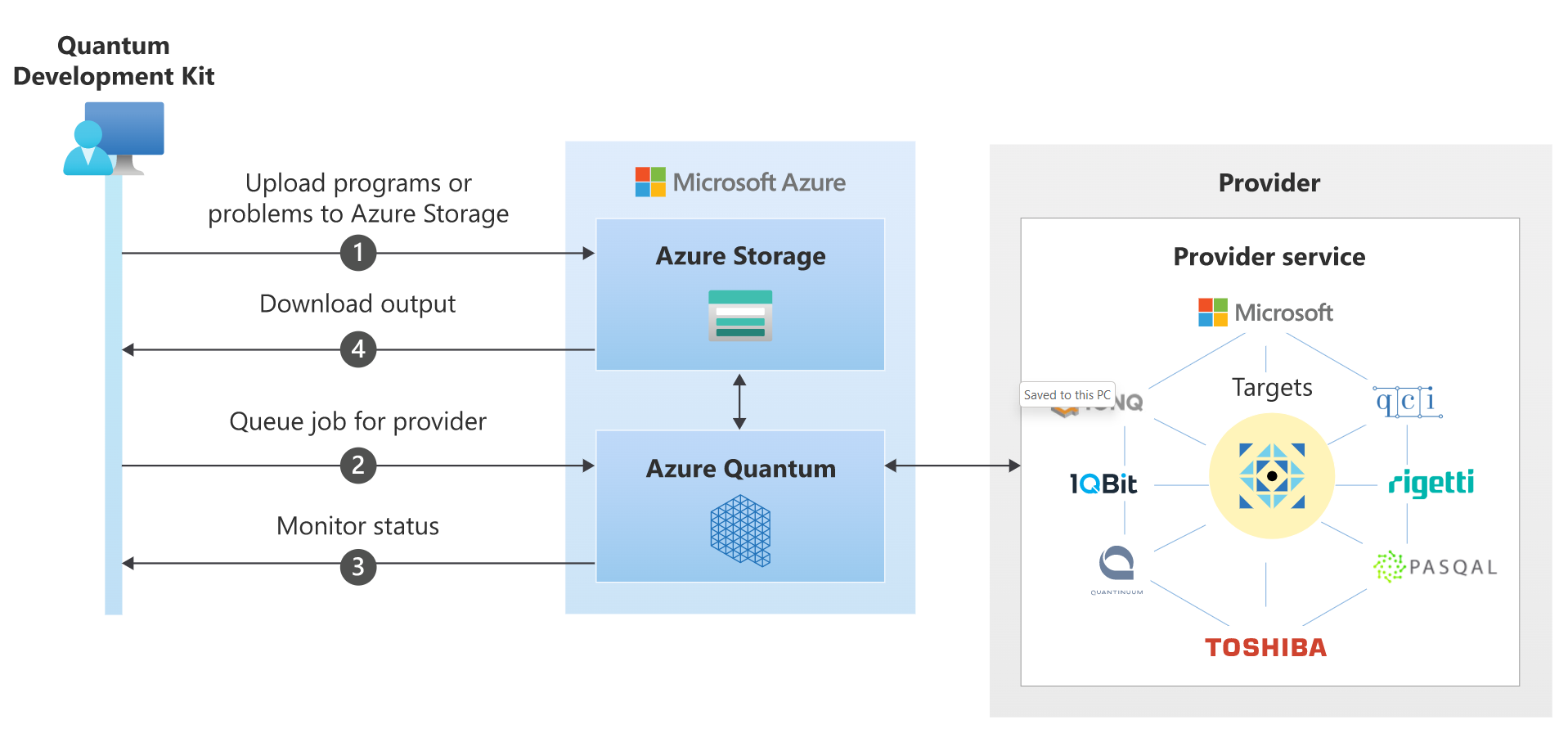
Definition of Quantum Computing as a Service (QCaaS) Quantum Computing as a Service (QCaaS) represents a significant advancement in how computational power is accessed and utilized. It merges the complex principles of quantum mechanics with the widespread availability of cloud computing, allowing users-from researchers to businesses and hobbyists-to harness quantum algorithms remotely. This service model […]

Read More →

How much do quantum developers make?

Understanding Quantum Development Quantum development is a cutting-edge discipline that integrates the principles of quantum mechanics with computational technology. This emerging field involves creating software and algorithms that harness the unique properties of quantum systems, such as superposition and entanglement, to perform complex calculations beyond the reach of classical computers. Quantum developers play a pivotal […]

Read More →

Cosmic Waves vs. Cosmic Rays: What’s Bombarding Us From the Sky?

Definition of Cosmic Waves and Cosmic Rays Cosmic waves and cosmic rays are two distinct phenomena originating from the vast expanse of the universe. Although both terms share the prefix “cosmic” and relate to extraterrestrial events, they differ fundamentally in their composition, sources, and effects. Gaining a clear understanding of these phenomena enhances our knowledge […]

Read More →

What mathematical models are important in chemistry?

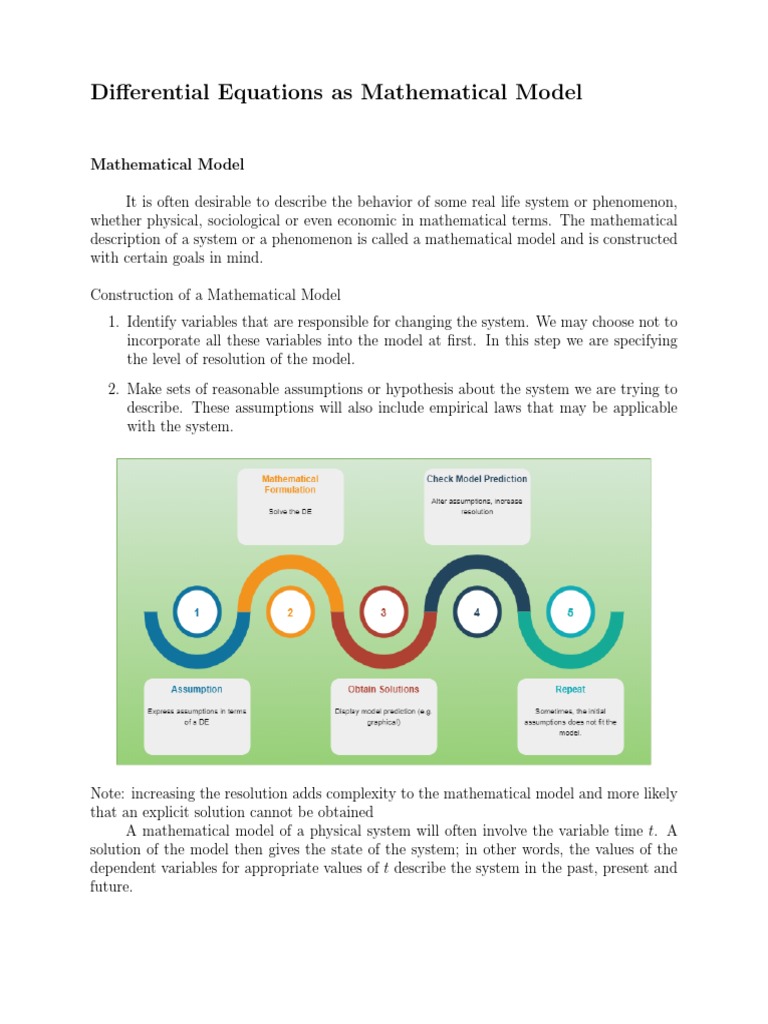
Definition of Mathematical Models in Chemistry Mathematical models in chemistry are structured frameworks that translate complex chemical phenomena into quantitative terms. These models integrate multiple variables and principles to predict and explain chemical behavior beyond direct experimental observation. They serve as essential tools for chemists to analyze reaction mechanisms, thermodynamic properties, and molecular interactions with […]

Read More →