
Short Answer
Definition of Nuclear Engineering
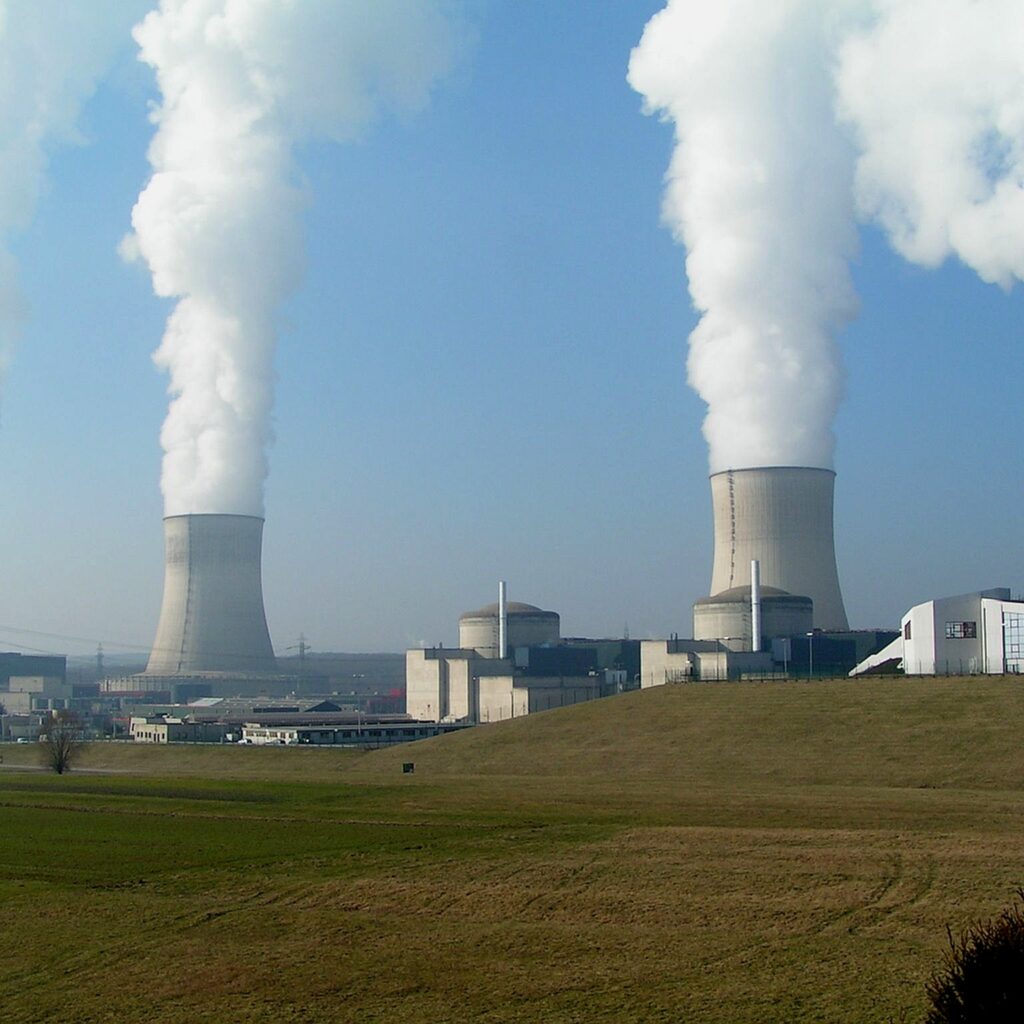
Nuclear engineering is a specialized branch of engineering focused on the application of nuclear processes and radiation to develop technologies that harness atomic energy. It encompasses the design, construction, and operation of nuclear reactors, as well as the management of nuclear materials and safety protocols. This discipline integrates principles from physics, chemistry, and engineering to address energy production, medical applications, and environmental challenges.
Significance and Impact of Nuclear Engineering
Nuclear engineering plays a pivotal role in addressing the global demand for clean and reliable energy. Unlike traditional fossil fuels, nuclear power offers a high-density energy source capable of generating vast amounts of electricity with minimal greenhouse gas emissions. For instance, a single gram of uranium can produce energy equivalent to several tons of coal, underscoring the efficiency and sustainability of nuclear fuel.
- Environmental Benefits:
Nuclear energy contributes significantly to reducing carbon footprints, making it a vital tool in combating climate change and global warming. - Energy Security:
It provides a stable and continuous power supply, less susceptible to the fluctuations and limitations of renewable sources like solar and wind.
Educational Path and Technical Challenges
Becoming a nuclear engineer demands a rigorous academic foundation, combining theoretical knowledge with hands-on experience. The curriculum typically covers reactor physics, thermodynamics, fluid mechanics, radiation protection, and nuclear materials science. Mastery of these subjects fosters critical thinking and innovation, essential for designing and managing complex nuclear systems.
The field requires intellectual resilience, as engineers must navigate intricate technical challenges and ensure the safe operation of nuclear facilities. The responsibility to prevent accidents and mitigate risks is paramount, given the potential consequences for public health and the environment.
Safety Considerations and Historical Lessons
Safety is the cornerstone of nuclear engineering. Engineers must develop and implement comprehensive safety measures to protect both workers and surrounding communities. The catastrophic Chernobyl disaster remains a stark reminder of the importance of stringent safety cultures and protocols in nuclear operations.
- Risk Management:
Identifying potential hazards and designing fail-safe systems are critical tasks for nuclear engineers. - Regulatory Compliance:
Adhering to national and international safety standards ensures the responsible use of nuclear technology.
Advancements and Future Prospects
The nuclear engineering landscape is evolving rapidly, driven by innovations such as Small Modular Reactors (SMRs) and Generation IV reactors. These next-generation technologies promise enhanced safety, improved efficiency, and greater flexibility in integrating with renewable energy sources, contributing to a diversified and resilient energy portfolio.
As global energy policies shift away from fossil fuels, nuclear power is increasingly recognized as a sustainable alternative, opening new avenues for career growth and research opportunities within the field.
Interdisciplinary Role: Policy and Governance
Nuclear engineers operate at the intersection of technology and policy. Beyond technical expertise, they must understand regulatory frameworks and engage with political stakeholders to facilitate the deployment of nuclear technologies. This interdisciplinary approach is essential for navigating the complex landscape of energy governance and public acceptance.
Economic and Career Opportunities
The demand for skilled nuclear engineers is expected to rise as the current workforce ages and new nuclear projects commence worldwide. This growth translates into robust job security and diverse career paths, including reactor design, safety analysis, regulatory affairs, and research and development.
Moreover, the field offers opportunities to contribute to groundbreaking innovations that could redefine energy production and environmental stewardship.
Public Perception and Societal Challenges
Despite its benefits, nuclear energy often faces public skepticism due to associations with accidents and concerns over radioactive waste management. Overcoming these fears requires transparent communication, community engagement, and education to build trust and acceptance.
- Misconception: Nuclear power is inherently unsafe.
Correction: Modern nuclear technologies incorporate advanced safety features and rigorous regulatory oversight to minimize risks. - Misconception: Radioactive waste is unmanageable.
Correction: Effective waste management strategies, including recycling and secure storage, mitigate environmental impacts.
Ethical Dimensions of Nuclear Engineering
Ethics are integral to nuclear engineering, given the profound societal implications of nuclear technology. Engineers must balance innovation with responsibility, ensuring their work promotes safety, sustainability, and peace. Ethical education within the field prepares professionals to make informed decisions that consider both technological potential and moral consequences.
Conclusion: The Essential Role of Nuclear Engineering
Nuclear engineering represents a dynamic convergence of science, technology, ethics, and policy. While it presents significant challenges, the field offers unparalleled opportunities to contribute to a sustainable energy future. For those passionate about innovation and global impact, nuclear engineering is not only a promising career choice but a critical pathway toward addressing some of the most pressing issues of our time.
FAQ
What is nuclear engineering?
Nuclear engineering is a branch of engineering that deals with the application of nuclear processes and radiation to develop technologies for energy production and safety management.
What are the career prospects in nuclear engineering?
The demand for nuclear engineers is expected to rise, leading to robust job security and diverse career paths in reactor design, safety analysis, regulatory affairs, and research.





Leave a Reply