
Short Answer
Understanding Lightning: A Natural Electrical Phenomenon
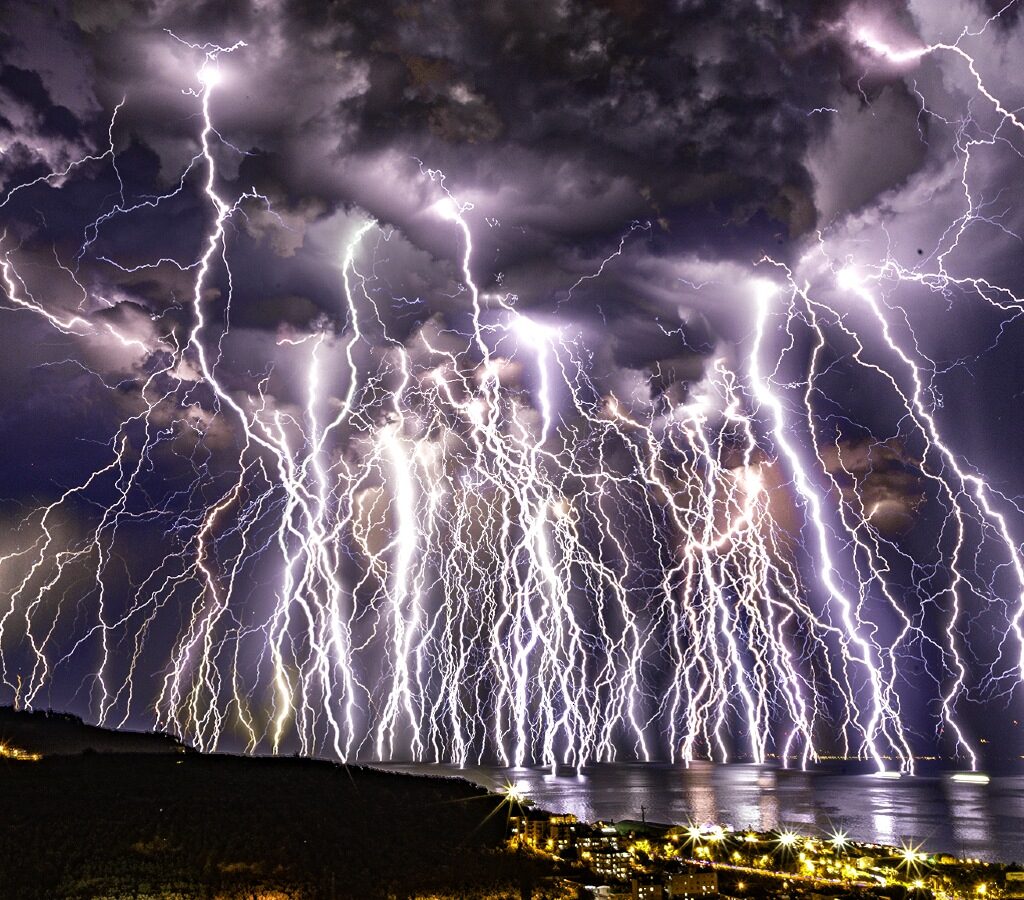
Lightning is a striking atmospheric event characterized by a sudden and powerful electrical discharge during thunderstorms. This phenomenon arises from imbalances in electrical charges within clouds or between clouds and the Earth’s surface. When the voltage difference becomes sufficiently large, it ionizes the air, creating a plasma channel that allows electricity to flow. The process unfolds in stages: initially, a leader stroke forms a conductive path, followed by a return stroke that produces the intense flash of light visible from the ground.
Formation and Conditions
The occurrence of lightning depends on specific meteorological factors. Storm clouds develop layers of positive and negative charges, generating an electric field with immense potential energy. This energy is released when the ionized air channel forms, resulting in a lightning strike. Despite the ability to predict average lightning activity statistically, the exact timing and location of individual strikes remain elusive, posing challenges for safety and forecasting.
Laser Technology as a Potential Tool to Influence Lightning
In recent years, scientists have explored the possibility of using lasers to control or direct lightning. This innovative approach involves utilizing high-intensity laser beams to ionize air molecules, creating plasma channels that could serve as guided pathways for electrical discharges. By targeting charged regions within storm clouds, lasers might establish controlled conduits, effectively steering lightning strikes toward designated areas.
Principles Behind Laser-Guided Lightning
When a powerful laser beam is focused into the atmosphere, it excites air molecules, stripping electrons and generating a plasma filament. This ionized path reduces electrical resistance, providing a preferred route for lightning to follow. The concept, often referred to as “laser lightning rods,” merges optical physics with atmospheric science, offering a novel method to influence natural electrical phenomena.
Technical and Environmental Challenges
Despite its promise, the application of laser technology to guide lightning faces several obstacles. The energy demands for producing sufficiently intense laser pulses are considerable, and current laser systems must improve in efficiency and portability to be practical for field use. Additionally, atmospheric variables such as humidity, temperature, and air density can affect laser beam propagation and the stability of plasma channels.
Safety and Ecological Considerations
Introducing artificial pathways for lightning raises concerns about unintended consequences. There is a risk that manipulating electrical discharges could exacerbate storm intensity or trigger lightning in unintended locations. Thorough simulations and environmental impact assessments are essential to evaluate potential hazards and ensure that such interventions do not disrupt natural weather patterns or ecosystems.
Economic Feasibility and Practical Implementation
The financial aspect of developing and deploying laser-guidance systems is a significant factor. While lightning causes extensive damage worldwide, justifying investment in advanced technology, the costs associated with research, manufacturing, and maintenance must be carefully balanced against the benefits. Strategic deployment in high-risk areas could optimize cost-effectiveness, but widespread adoption requires further economic analysis.
Broader Implications and Ethical Reflections
Manipulating lightning with lasers also prompts reflection on humanity’s role in altering natural processes. Intervening in atmospheric phenomena could have cascading effects on weather systems and climate, highlighting the delicate balance between technological advancement and environmental stewardship. Ethical considerations must guide research and application to respect the integrity of natural forces while pursuing innovation.
Summary and Future Prospects
The concept of using lasers to direct lightning represents a fascinating convergence of cutting-edge technology and natural power. While numerous scientific, technical, and ethical challenges remain, ongoing research continues to explore this frontier. The potential to control one of nature’s most unpredictable and awe-inspiring phenomena could transform safety measures and deepen our understanding of atmospheric electricity, marking a significant milestone in the relationship between humanity and the environment.
FAQ
What is the main idea of using lasers with lightning?
The main idea is to create ionized paths for lightning to follow, potentially controlling where it strikes.
What are the challenges in this technology?
Challenges include energy demands, atmospheric conditions, and potential ecological impacts.



Leave a Reply