
Short Answer
Understanding Cancer Treatment Modalities
As awareness about cancer therapies grows among patients, caregivers, and the public, a frequent question arises: Are radiation oncology and chemotherapy the same? This inquiry highlights the complexity of cancer treatment options. Although both aim to eliminate malignant cells, they differ markedly in their techniques, applications, and effects on patients. This article delves into the distinctive features and intersections of these two essential cancer treatment strategies.
Definition and Overview
Radiation Oncology:
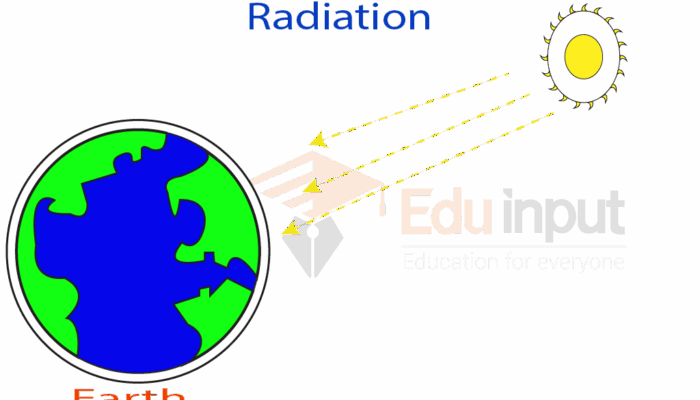
Radiation oncology involves the use of ionizing radiation to selectively destroy cancer cells. The treatment works by damaging the DNA within malignant cells, thereby preventing their replication and growth. Various delivery methods exist, including external beam radiation therapy (EBRT), brachytherapy (internal radiation), and stereotactic body radiation therapy (SBRT), each tailored to specific tumor types, locations, and stages.
Chemotherapy:
Chemotherapy refers to a wide range of drug-based treatments that circulate systemically through the bloodstream to target rapidly dividing cells throughout the body. These pharmacological agents are categorized by their chemical nature and mechanisms, such as alkylating agents, antimetabolites, and natural products. While effective against many cancers, chemotherapy is often associated with systemic side effects like nausea, fatigue, hair loss, and immune suppression.
Mechanisms of Action
How Radiation Therapy Works:
Radiation therapy employs high-energy particles or waves to inflict lethal damage on cancer cell DNA. This damage disrupts the cells’ ability to divide and survive, leading to tumor shrinkage or eradication. The precision of radiation delivery minimizes harm to surrounding healthy tissues.
How Chemotherapy Functions:
Chemotherapy drugs interfere with cell division by targeting various phases of the cell cycle. Because cancer cells divide more rapidly than most normal cells, chemotherapy preferentially affects them. However, some healthy cells that also divide quickly, such as those in hair follicles and the gastrointestinal tract, are impacted, causing side effects.
Integration of Radiation and Chemotherapy
Though distinct, radiation oncology and chemotherapy are frequently combined to enhance treatment effectiveness. For example, neoadjuvant chemotherapy may be administered before radiation to reduce tumor size, improving radiation outcomes. Conversely, adjuvant radiation can follow chemotherapy to eliminate residual cancer cells. This complementary approach leverages the strengths of both modalities to optimize patient prognosis.
Factors Influencing Treatment Choice
The decision to use radiation, chemotherapy, or both depends on multiple variables:
- Tumor Type and Location:
Some cancers, like glioblastomas, respond better to radiation due to their location and aggressiveness, while others may be more sensitive to chemotherapy. - Stage of Disease:
Early-stage cancers might be treated primarily with radiation, whereas advanced or metastatic cancers often require systemic chemotherapy. - Patient-Specific Factors:
Age, overall health, and genetic profile influence treatment suitability and tolerance.
Advances in Personalized Cancer Therapy
The rise of genomic testing has transformed oncology by enabling treatments tailored to the genetic characteristics of both the tumor and the patient. Targeted therapies, which disrupt specific molecular pathways driving cancer growth, have emerged as alternatives or supplements to traditional chemotherapy and radiation. This personalized approach enhances treatment precision and efficacy.
Side Effects and Quality of Life Considerations
Chemotherapy’s systemic nature often leads to widespread side effects requiring comprehensive management, including nausea, fatigue, and immunosuppression. Radiation therapy typically causes localized side effects such as skin irritation and fatigue, which tend to be more predictable and manageable. Understanding these differences is crucial for optimizing patient comfort and adherence to treatment.
Logistical Aspects of Treatment
Chemotherapy is usually administered in cycles over extended periods, necessitating frequent hospital visits that can be taxing for patients and caregivers. Radiation therapy, while often shorter in duration, demands precise scheduling and consistent attendance to ensure effectiveness. These logistical factors play a significant role in treatment planning and patient compliance.
Empowering Patients Through Knowledge
Active patient involvement in treatment decisions is vital. By comprehending the distinctions between radiation oncology and chemotherapy, patients can engage in informed discussions with their healthcare providers, weighing the benefits and drawbacks of each option. This empowerment fosters better decision-making and enhances the overall cancer care experience.
Summary: Complementary Roles in Cancer Management
In conclusion, radiation oncology and chemotherapy are distinct yet complementary cancer treatments. Their differing mechanisms, applications, and side effect profiles underscore the importance of individualized treatment plans. Often, combining these modalities yields the best outcomes, reflecting the evolving complexity and sophistication of modern cancer therapy. A thorough understanding of these approaches supports informed, patient-centered care in the fight against cancer.
FAQ
What is the difference between radiation oncology and chemotherapy?
Radiation oncology uses ionizing radiation to target cancer cells locally, while chemotherapy involves drugs that circulate systemically to kill cancer cells throughout the body.
Can radiation therapy and chemotherapy be used together?
Yes, they are frequently combined to improve treatment efficacy by leveraging their complementary mechanisms.
What are typical side effects of each treatment?
Radiation therapy causes localized side effects such as skin irritation and fatigue, while chemotherapy causes systemic side effects like nausea, hair loss, and immune suppression.
How is treatment choice determined?
Factors include tumor type and location, disease stage, and patient-specific health and genetic factors.



Leave a Reply