
Short Answer
Definition of Molecules and Compounds
In the study of chemistry, it is essential to distinguish between the concepts of molecules and compounds, as they represent fundamental categories of chemical substances.
- Molecule:
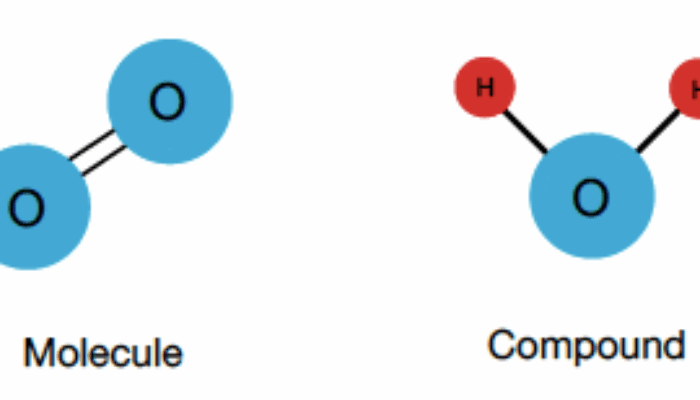
A molecule consists of two or more atoms bonded together through covalent bonds. These atoms may be identical or different elements. - Compound:
A compound is a specific type of molecule that contains at least two different elements chemically bonded.
Classification of O2: Molecule or Compound?
Dioxygen (O2) is a classic example of an elemental molecule, composed of two oxygen atoms joined by a covalent bond. Since both atoms are of the same element, O2 qualifies as a molecule but does not meet the criteria to be classified as a compound.
Covalent Bonding in O2
The formation of O2 involves two oxygen atoms sharing electron pairs, creating a stable covalent bond. This electron sharing is fundamental to molecular stability and is a hallmark of molecular structures.
Elemental Molecules: Beyond O2
O2 is part of a broader group known as elemental molecules, which include other diatomic species such as nitrogen (N2), hydrogen (H2), and chlorine (Cl2). These molecules consist of two identical atoms and are not considered compounds.
Significance of O2 in Chemical and Biological Systems
Oxygen plays a pivotal role in various chemical reactions and biological processes. It is indispensable for aerobic respiration in living organisms and is a key reactant in combustion reactions, facilitating energy release.
O2 in Chemical Reactions
During combustion, O2 interacts with compounds containing different elements, such as hydrocarbons, breaking chemical bonds and releasing energy. This behavior highlights the distinction between O2 as a molecule and the compounds it reacts with.
Molecular Interactions and Chemical Complexity
The study of O2 introduces important chemical concepts such as molecular geometry, valency, and reactivity. While O2 itself is a simple molecule, its interactions lead to the formation of diverse compounds, including metal oxides and organic oxygen-containing molecules.
Summary and Implications
In conclusion, O2 is definitively a molecule due to its covalent bonding of identical atoms but does not qualify as a compound because it lacks multiple elements. This distinction enhances our understanding of chemical classification and underscores the complexity of molecular chemistry.
Why Understanding This Distinction Matters
Recognizing the difference between molecules and compounds is crucial for grasping chemical behavior, reaction mechanisms, and the role of substances in natural and industrial processes. O2 exemplifies how simple molecular structures can have profound effects on life and the environment, emphasizing the importance of precise chemical terminology in science and education.
FAQ
What is O2?
O2, or dioxygen, is a diatomic molecule consisting of two oxygen atoms.
Is O2 a molecule or a compound?
O2 is a molecule but not a compound, as it contains only one type of element.
Why is O2 important?
O2 is vital for respiration in living organisms and is a key reactant in combustion.





Leave a Reply