

Short Answer
Definition
The intersection of medicine and physics represents a unique interdisciplinary domain where the principles of physical science are applied to medical practice and research. This fusion explores how the laws governing the physical universe inform and enhance our understanding of human health, disease mechanisms, and medical technologies.
- Medicine:
A field centered on diagnosing, treating, and preventing illness through patient care, clinical skills, and empirical evidence. - Physics:
The scientific study of matter, energy, and the fundamental forces of nature, often involving abstract and quantitative analysis.
Historical and Educational Context
Traditionally, medical education emphasizes biological sciences and clinical skills, focusing on direct patient care. Physics, by contrast, is often viewed as a theoretical discipline concerned with understanding natural phenomena at both macroscopic and microscopic scales. Despite this apparent divergence, the integration of physics into medical training is gaining recognition, especially through specialized programs such as medical physics and combined degree tracks.
Students who pursue physics alongside medicine often do so to develop a robust analytical framework that complements clinical reasoning. Although uncommon, this dual expertise is increasingly valued for its potential to drive innovation in healthcare technology and diagnostics.
How Physics Enhances Medical Practice
Physics imparts critical analytical skills and a methodical approach to problem-solving, which are essential in medical diagnostics and treatment planning. Understanding physical principles enables medical professionals to interpret complex imaging techniques and operate advanced medical devices effectively.
- Medical Imaging:
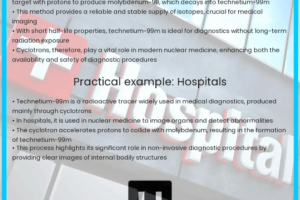
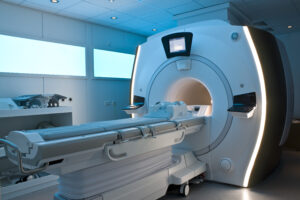
Modalities such as MRI, CT scans, and ultrasound rely heavily on physics concepts like electromagnetism, wave propagation, and nuclear magnetic resonance. - Medical Devices:
Technologies including pacemakers, radiation therapy machines, and diagnostic instruments are grounded in physical laws, requiring knowledge of their operational mechanics.
Biophysical Principles in Human Physiology
Physics also underpins many biological processes, providing a framework to understand the mechanics of the human body. For example, fluid dynamics explains blood flow through vessels, while thermodynamics sheds light on metabolic energy transformations.
- Fluid Dynamics:
Governs the circulation of blood, influencing cardiovascular health and disease. - Thermodynamics:
Explains energy exchange and metabolic rates within cells and tissues.
Advantages of a Physics Background for Medical Students
Medical students with a foundation in physics often possess enhanced critical thinking and quantitative analysis skills. This background equips them to:
- Interpret diagnostic data with greater precision.
- Engage in the development and refinement of medical technologies.
- Approach clinical problems with a unique perspective that integrates scientific rigor and patient care.
Challenges and Adaptations
Despite its benefits, merging physics with medicine presents challenges. The abstract, theoretical nature of physics can contrast sharply with the empathetic, interpersonal demands of medical practice. Students must balance analytical rigor with emotional intelligence and ethical sensitivity, navigating a complex educational and professional landscape.
Common Misconceptions
Physics is irrelevant to medical education.
Physics provides foundational knowledge critical to understanding medical technologies and physiological processes.
Medical students with physics backgrounds struggle with patient interaction.
While the disciplines differ, many students successfully integrate analytical skills with compassionate care, enhancing their overall competence.
Real-World Applications
The synergy between physics and medicine manifests in numerous practical contexts:
- Radiology:
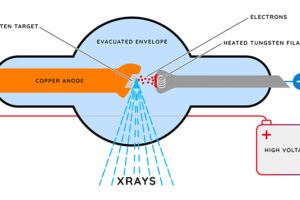
Utilizes principles of radiation physics to produce diagnostic images and guide treatments. - Radiation Therapy:
Applies knowledge of particle physics to target and destroy cancer cells effectively. - Biomedical Engineering:
Combines physics and medicine to design innovative medical devices and prosthetics.
Why This Interdisciplinary Approach Matters
Integrating physics into medical education fosters a more comprehensive understanding of health and disease, driving technological innovation and improving patient outcomes. This interdisciplinary approach encourages future healthcare professionals to think beyond traditional boundaries, promoting advances that benefit both science and society.
Ultimately, the convergence of physics and medicine is not an anomaly but a valuable opportunity. It cultivates a new generation of medical practitioners equipped with diverse skills to navigate and shape the evolving landscape of healthcare.
FAQ
Is it common for medical students to study physics?
Studying physics alongside medicine is uncommon but increasingly recognized as valuable for driving innovation in healthcare technology and diagnostics.
How does physics benefit medical students?
Physics enhances critical thinking, quantitative analysis skills, and understanding of medical imaging and devices, improving diagnostic precision and innovation capabilities.
Are there challenges for medical students studying physics?
Yes, students must balance the abstract, theoretical nature of physics with the empathetic and interpersonal demands of medical practice.
Does a physics background affect patient interaction skills?
Contrary to misconceptions, many students successfully integrate analytical skills with compassionate care, enhancing their overall competence.



Leave a Reply