

Short Answer
Definition of Magnetic Resonance Imaging (MRI)
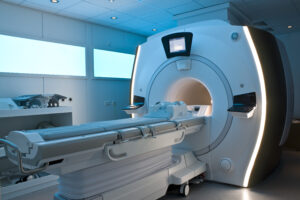
Magnetic Resonance Imaging (MRI) is an advanced diagnostic technique that uses powerful magnetic fields and radiofrequency waves to produce detailed images of the internal structures of the body. Unlike traditional imaging methods such as X-rays or CT scans, MRI does not involve ionizing radiation, making it a preferred choice for many medical evaluations.
- Magnetic Fields:
Strong magnets align hydrogen atoms in the body to generate signals. - Radio Waves:
Pulses of radio waves disturb this alignment, and the emitted signals are captured to form images. - Image Detail:
MRI provides high-resolution images of soft tissues, organs, and other internal structures.
How MRI Technology Functions
The MRI process relies on the interaction between magnetic fields and radiofrequency pulses to visualize the body’s interior. When a patient is placed inside the MRI scanner, the magnetic field causes hydrogen protons in the body to align. Radiofrequency pulses then temporarily disrupt this alignment, and as the protons return to their original state, they emit signals. These signals are detected by the scanner and converted into detailed images by a computer.
This mechanism allows clinicians to observe anatomical details and physiological changes without exposure to harmful radiation, distinguishing MRI as a safer imaging alternative.
Clinical Justification for Multiple MRI Scans
Under certain medical circumstances, undergoing several MRI scans within a short timeframe, such as three scans in two months, may be warranted. This is often the case in monitoring chronic conditions or tracking the progression or regression of diseases. Repeated imaging can provide a dynamic view of a patient’s health status, enabling physicians to adjust treatment plans effectively.
Each scan can reveal subtle changes that might not be apparent through other diagnostic methods, offering a comprehensive understanding of the patient’s condition over time.
Psychological and Emotional Considerations
While MRI scans are physically safe for most individuals, the experience can provoke anxiety or discomfort. The confined space of the MRI machine and the loud, repetitive noises during scanning can cause stress or claustrophobia in some patients. Repeated sessions may amplify these feelings, impacting mental well-being.
Addressing these emotional responses is crucial, as patient comfort and psychological health are integral to the overall success of diagnostic procedures.
Safety Concerns and Potential Risks
Although MRI is generally considered safe, certain risks must be acknowledged, especially with frequent scans:
- Implanted Devices:
Patients with pacemakers, cochlear implants, or metal fragments may face hazards due to the strong magnetic fields. - Contrast Agents:
Gadolinium-based contrast materials used to enhance image clarity can pose risks, particularly in individuals with kidney impairment, potentially leading to rare conditions like nephrogenic systemic fibrosis. - Use of Sedation:
Some patients may require sedation to tolerate the procedure, which carries its own set of risks.
Economic and Resource Implications
Each MRI scan involves significant costs, not only financially but also in terms of healthcare resources and time. Overuse of MRI can strain medical facilities and increase patient expenses unnecessarily. Therefore, it is essential that each scan is justified by clear clinical indications to optimize resource allocation and patient care.
Importance of Patient-Physician Communication
Open dialogue between patients and healthcare providers is vital when multiple MRI scans are proposed. Understanding the reasons behind repeated imaging, the expected benefits, and potential risks empowers patients to make informed decisions. This transparency fosters trust and collaboration, enhancing the overall quality of care.
Common Misconceptions About MRI Frequency
Multiple MRIs expose patients to harmful radiation.
MRI uses magnetic fields and radio waves, not ionizing radiation, making it safer than X-rays or CT scans.
Frequent MRIs always indicate overuse or unnecessary testing.
Repeated scans can be clinically justified to monitor disease progression or treatment response.
Why Understanding MRI Frequency Matters
Recognizing the balance between the benefits and potential drawbacks of multiple MRI scans is crucial in modern healthcare. It ensures that patients receive necessary and effective diagnostic evaluations without undue physical, psychological, or financial burden. This understanding supports responsible medical practice and enhances patient outcomes by tailoring imaging strategies to individual clinical needs.
Summary
In summary, MRI is a powerful, non-invasive imaging tool that provides detailed insights into the human body without the risks associated with ionizing radiation. While undergoing three MRIs within two months can be safe and medically justified, it requires careful consideration of clinical necessity, patient comfort, and potential risks. Effective communication and judicious use of MRI technology are essential to maximize its benefits while minimizing any adverse effects on patients and healthcare systems.
FAQ
Is it safe to have multiple MRIs in a short time?
Yes, if clinically justified, but patient comfort and potential risks should be considered.
Do MRIs involve radiation?
No, MRIs use magnetic fields and radio waves, not ionizing radiation.





Leave a Reply