
Short Answer
Understanding Oncology as a Medical Specialty
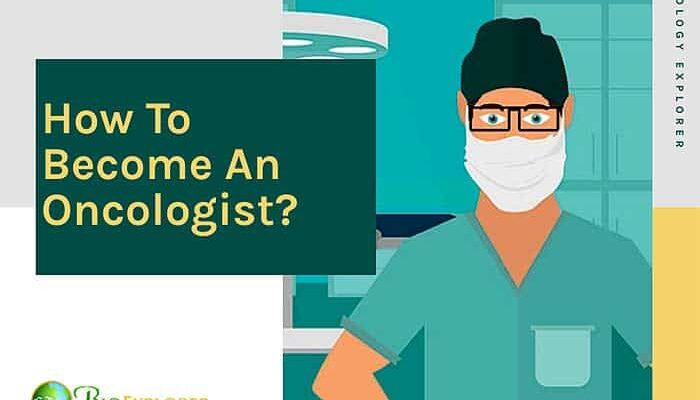
Oncology is a distinguished branch of medicine dedicated to the diagnosis, treatment, and management of cancer. This field demands extensive medical knowledge, clinical skills, and often a deep comprehension of biological processes underlying cancer development and progression. Aspiring oncologists typically undergo rigorous education and training to prepare for the multifaceted responsibilities involved in patient care and research.
Educational Pathways to Becoming an Oncologist
The traditional route to a career in oncology generally begins with earning an undergraduate degree, such as a Bachelor of Science (BSc) or Bachelor of Arts (BA), followed by obtaining a Doctor of Medicine (MD) degree. After medical school, physicians usually complete residency training in internal medicine before pursuing specialized fellowship training in oncology. This pathway equips them with the clinical expertise necessary to manage cancer patients effectively.
- Undergraduate Education:
Foundational studies in biology, chemistry, and related sciences prepare students for medical school. - Medical Degree (MD):
Provides comprehensive medical training and clinical exposure. - Residency and Fellowship:
Specialized training in internal medicine and oncology to develop expertise in cancer care.
Is a PhD Required to Practice Oncology?
Contrary to some assumptions, obtaining a PhD is not mandatory to become a practicing oncologist. Most clinical oncologists hold an MD degree and focus primarily on patient care. However, a PhD can significantly deepen one’s understanding of cancer biology and therapeutic innovations, often benefiting those involved in research or academic medicine.
PhD programs emphasize rigorous scientific investigation, equipping graduates with skills to conduct advanced research into tumor biology, drug development, and novel treatment strategies. While this research background enriches clinical practice, it is not a prerequisite for delivering high-quality oncology care.
The Role of Research in Oncology Practice
Research plays a pivotal role in advancing oncology, driving the discovery of new therapies and improving patient outcomes. Oncologists with PhDs frequently contribute to this progress by leading laboratory or clinical studies. Nevertheless, many oncologists without doctoral research degrees stay current with scientific developments through continuous education and collaboration with research teams.
Maintaining up-to-date knowledge of emerging treatments, clinical trials, and molecular diagnostics is essential for all oncologists, regardless of their academic background.
Alternative Oncology-Related Careers Without a PhD
The oncology care team includes various healthcare professionals who contribute significantly without holding PhDs. Physician assistants (PAs) and nurse practitioners (NPs), for example, often possess master’s degrees and play vital roles in patient management, treatment planning, and follow-up care.
- Physician Assistants (PAs):
Provide clinical support and assist oncologists in delivering care. - Nurse Practitioners (NPs):
Manage patient symptoms, administer treatments, and offer counseling.
These roles highlight that comprehensive clinical training and experience can substitute for doctoral-level research education in many aspects of oncology practice.
Interdisciplinary Knowledge and Continuous Learning
Oncology intersects with multiple medical disciplines such as pharmacology, pathology, and radiology. Gaining expertise in these areas through specialized certifications or training programs can enhance an oncologist’s ability to deliver holistic cancer care. This interdisciplinary approach often compensates for the absence of a PhD by broadening clinical and scientific understanding.
Furthermore, the rapid evolution of precision medicine and genomics necessitates ongoing professional development. Oncologists without PhDs must actively engage in continuing medical education (CME), attend workshops, and participate in conferences to remain proficient in the latest diagnostic and therapeutic advances.
Collaborative Practice in Oncology
Oncology is inherently a team-oriented specialty, involving collaboration among physicians, researchers, nurses, and allied health professionals. Building strong professional networks facilitates knowledge exchange and shared problem-solving, which are crucial for delivering optimal patient care. This collaborative environment supports oncologists who may not have a PhD by providing access to diverse expertise and resources.
Emotional and Ethical Dimensions of Oncology
Beyond scientific and clinical skills, oncology demands profound empathy and ethical sensitivity. Effective cancer care requires navigating complex emotional and psychosocial challenges faced by patients and their families. These interpersonal qualities are cultivated through clinical experience and dedication rather than formal academic credentials, underscoring the humanistic aspect of oncology practice.
Summary: Navigating Oncology Careers Without a PhD
In conclusion, while a PhD can enhance research capabilities and deepen scientific insight, it is not an absolute requirement to become an oncologist. Physicians with MD degrees, supported by specialized training, interdisciplinary knowledge, and continuous education, can competently practice oncology. Alternative roles within cancer care also provide meaningful opportunities without doctoral research degrees. Ultimately, commitment to lifelong learning, patient-centered care, and collaboration defines success in the evolving field of oncology, regardless of one’s academic path.
FAQ
Can you become an oncologist without a PhD?
Yes, a PhD is not required to become a practicing oncologist; an MD degree is sufficient.
What is the educational pathway to becoming an oncologist?
Aspiring oncologists typically earn a Bachelor’s degree, followed by a Doctor of Medicine (MD) degree, and then complete residency and fellowship training in oncology.
What roles exist in oncology for those without a PhD?
Roles such as Physician Assistants (PAs) and Nurse Practitioners (NPs) provide significant contributions to oncology care without requiring a PhD.



Leave a Reply