
Short Answer
Definition of Embedded Systems and Instrumentation
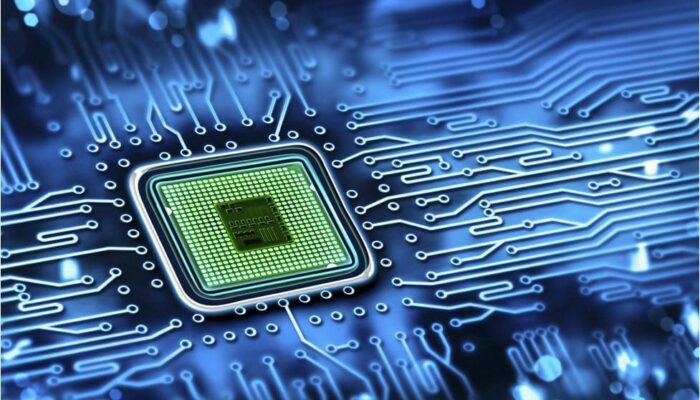
Embedded systems are specialized computing units composed of integrated hardware and software, designed to execute dedicated functions within larger mechanical or electrical systems. These systems are embedded as integral parts of devices, enabling precise and reliable task execution, often in real-time environments. Instrumentation, on the other hand, refers to the science and technology of designing and utilizing measurement tools and systems that capture, monitor, and control physical quantities, thereby facilitating accurate data acquisition and analysis.
- Embedded Systems:
Compact, task-specific computing units embedded within devices to perform dedicated operations. - Instrumentation:
The development and application of devices and systems for precise measurement and control in scientific and industrial contexts.
Architecture and Components of Embedded Systems
The typical structure of an embedded system includes several key components working in unison to achieve its objectives:
- Microcontrollers:
The central processing units that execute programmed instructions. - Sensors:
Devices that detect and measure physical parameters such as temperature, pressure, or motion. - Actuators:
Components that convert electrical signals into physical actions. - Communication Interfaces:
Protocols and hardware enabling data exchange between the embedded system and external devices or networks.
This combination allows embedded systems to seamlessly integrate computational logic with physical processes, enhancing device functionality across various industries.
Applications and Impact of Embedded Systems
Embedded systems have become indispensable in numerous sectors, driving innovation and efficiency:
- Automotive Industry:
Embedded systems manage critical functions such as engine control, braking systems, and advanced driver-assistance systems (ADAS), contributing to vehicle safety and performance. - Consumer Electronics:
Devices like smartphones, smart appliances, and wearable technology rely on embedded systems for enhanced user experiences. - Healthcare:
Medical devices equipped with embedded systems enable continuous patient monitoring and personalized treatment, improving healthcare outcomes. - Energy Management:
Embedded systems optimize energy consumption and resource allocation, promoting sustainability.
Role and Significance of Instrumentation
Instrumentation serves as the foundation for precise measurement and control in both research and industrial applications. It enables the transformation of raw data into actionable insights through rigorous analysis. Key benefits include:
- Enhanced Experimental Accuracy:
Instrumentation tools provide reliable data essential for scientific validation. - Process Optimization:
In industries such as renewable energy, instrumentation monitors environmental and operational parameters to maximize efficiency. - Integration with Embedded Systems:
Embedding computational intelligence within measurement devices automates data processing, reduces human error, and accelerates decision-making.
Interconnection Between Embedded Systems and Instrumentation
The synergy between embedded systems and instrumentation is evident in their combined ability to collect, process, and act upon data. Embedded systems often incorporate sophisticated instrumentation to enhance measurement accuracy and responsiveness. This integration facilitates real-time monitoring and control, which is critical in applications ranging from industrial automation to healthcare diagnostics.
Challenges and Ethical Considerations
Despite their advantages, embedded systems and instrumentation present several challenges that require careful attention:
- System Reliability:
The increasing complexity of embedded architectures can introduce vulnerabilities, necessitating rigorous design, testing, and validation protocols. - Data Privacy and Security:
The reliance on embedded technology in sensitive areas, such as healthcare, raises concerns about safeguarding personal information against unauthorized access. - Ethical Implications:
Responsible deployment of these technologies demands adherence to ethical standards to prevent misuse and ensure societal benefit.
Emerging Trends and Future Directions
The rapid advancement of embedded technology opens new avenues for interdisciplinary innovation, particularly through the integration of artificial intelligence (AI) and machine learning (ML). By embedding predictive algorithms within instrumentation, researchers can uncover hidden patterns and anomalies in data, enabling proactive decision-making and novel insights. This convergence fosters transformative research opportunities and drives progress across diverse fields.
Educational and Societal Implications
To harness the full potential of embedded systems and instrumentation, it is essential to cultivate a knowledgeable and ethically aware workforce. Educational institutions play a pivotal role in equipping engineers and scientists with the skills and critical thinking necessary to navigate the complexities of these technologies responsibly. Encouraging a culture of inquiry and prudence will help ensure that technological advancements align with societal values and needs.
Conclusion: Evaluating the Value of Embedded Systems and Instrumentation
The assessment of embedded systems and instrumentation as inherently “good” or “bad” is nuanced and context-dependent. These technologies function as tools whose impact is shaped by the intentions and frameworks guiding their use. Their true promise lies in the thoughtful and innovative application that balances benefits with potential risks. By fostering critical engagement and continuous exploration, society can unlock a future where embedded systems and instrumentation serve as catalysts for meaningful progress and collective well-being.
FAQ
What is the difference between embedded systems and instrumentation?
Embedded systems are specialized computing units designed to perform specific tasks within devices, while instrumentation focuses on the science and technology of measurement and control systems.
Why are embedded systems important in healthcare?
They enable continuous patient monitoring and personalized treatments by integrating computational logic with medical devices.
What ethical issues arise from the use of embedded systems?
Concerns include data privacy, security vulnerabilities, and the responsible use of technology to prevent misuse.



Leave a Reply