
Short Answer
Definition of Measurement and Measuring Tools
Measurement is more than the simple act of assigning numbers to physical quantities; it is a fundamental process that enables us to decode the complexities of the natural world. Measuring instruments act as essential intermediaries, transforming abstract phenomena into understandable data while also enriching our qualitative comprehension. These tools are not merely devices for numerical output but serve as gateways to deeper insight across various disciplines.
The Dual Role of Measuring Instruments
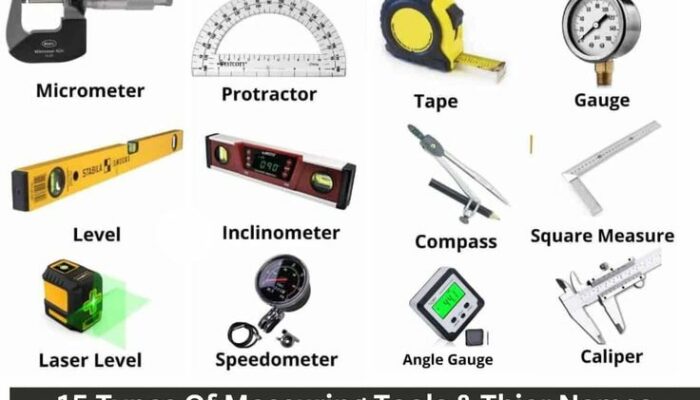
At the heart of scientific exploration lies the principle of accuracy. Instruments such as rulers, scales, and clocks convert tangible attributes like length, weight, and time into standardized values. However, their function extends beyond mere quantification. For example, a ruler is not just a tool for measuring distance; it also symbolizes order and structure, aiding creativity and design. This dual nature-quantifying reality while inspiring innovation-highlights the multifaceted significance of measurement devices.
Applications Across Diverse Fields
Architecture and Design
In architecture, tools like laser levels do more than ensure precise alignment; they represent the fusion of technical exactness with aesthetic vision. Measurement becomes a collaborative dialogue between engineering and artistry, where every dimension contributes to the harmony and stability of a structure. Just as painters select colors to evoke feelings, architects rely on precise measurements to craft meaningful spaces.
Education and Scientific Inquiry
Within educational environments, measuring tools serve as catalysts for developing critical thinking and analytical skills. Instruments such as micrometer screw gauges not only measure minute distances but also encourage students to explore concepts of scale and perception. Engaging with these tools fosters a deeper understanding of scientific principles and nurtures intellectual curiosity.
Social Sciences and Behavioral Studies
In psychology and sociology, measurement transcends physical quantities to include the assessment of human experiences. Surveys and questionnaires, often perceived as simple data collection methods, provide valuable insights into behavioral patterns and societal dynamics. By quantifying subjective phenomena, researchers can reveal underlying trends and complexities in human interaction, bridging empirical data with personal narratives.
Philosophical Perspectives on Measurement
Measurement can be likened to a philosophical pursuit of truth. Just as microscopes unveil the intricate details of microscopic life, measuring instruments expose the hidden order within the universe. These tools offer a tangible approach to exploring abstract concepts, prompting reflection on not only what is measured but also why and how it exists. This philosophical lens enriches our appreciation of measurement as a profound intellectual endeavor.
Technological Evolution and Modern Measurement
The digital era has revolutionized measurement by integrating advanced technology with traditional tools. Devices such as digital calipers and sophisticated data analysis software have enhanced precision and expanded the scope of measurement. Beyond mere quantification, these innovations facilitate connectivity and interdisciplinary collaboration, underscoring the growing importance of accurate measurement in a data-driven world.
Balancing Tradition and Innovation
Despite technological advancements, there is a risk that reliance on automated measuring devices may overshadow the foundational understanding of measurement principles. It is crucial to preserve the critical thinking and conceptual grasp that underpin measurement, ensuring that convenience does not compromise depth of knowledge. Maintaining this balance allows measurement to remain a meaningful tool for exploration and comprehension.
Why Measurement Matters
Measuring tools occupy a unique intersection of science, art, and philosophy, playing a vital role in shaping human understanding. They facilitate creativity, support education, and enable social research, making them indispensable across numerous domains. Each measurement contributes to the broader canvas of knowledge, advancing the ongoing quest to unravel the mysteries of existence and our place within the cosmos.
FAQ
What is the main function of measuring tools?
Measuring tools primarily quantify physical quantities but also facilitate broader intellectual and creative endeavors.
In which fields are measuring tools applied beyond science?
They are used in architecture, education, social sciences, and philosophical studies.
How do modern technologies affect measuring tools?
They improve accuracy, automate data collection, and enable complex data analysis.
Leave a Reply