
Short Answer
Definition of Bulging Optical Fibres
Bulging optical fibres represent an innovative advancement in the field of optical communication, characterized by their unique structural modifications that enhance light storage capabilities. Unlike traditional optical fibres, which rely on uniform cylindrical shapes to guide light, bulging fibres incorporate deliberate expansions or “bulges” along their length. These bulges create specialized zones that temporarily trap and hold photons, effectively functioning as optical buffers within the fibre itself.
- Optical Fibre Basics:
Conventional fibres transmit light through a core surrounded by cladding, utilizing total internal reflection to maintain signal integrity. - Bulging Fibre Innovation:
The introduction of bulged regions alters the fibre’s geometry and refractive index profile, enabling enhanced photon retention and reduced signal loss.
Principles Behind Light Storage in Bulging Fibres
The core mechanism enabling bulging fibres to act as optical buffers lies in their engineered refractive index variations. By designing regions with variable refractive indices, these fibres create localized potential wells for light, allowing photons to be confined longer than in standard fibres. This extended confinement mitigates signal degradation and preserves data fidelity during transmission.
- Refractive Index Modulation:
Bulged sections have tailored refractive indices that slow down and trap light temporarily. - Photon Accumulation:
These regions act like reservoirs, holding photons similarly to how a water well stores water. - Signal Integrity:
Prolonged light retention reduces attenuation and noise, improving overall communication quality.
Applications and Impact on Telecommunications
Bulging fibres offer transformative potential for modern telecommunication networks, particularly in urban environments where data traffic is dense and variable. Their ability to buffer light enables asynchronous data transmission, which helps manage network congestion and optimizes bandwidth utilization.
- Data Traffic Management:
Bulged segments function as optical “traffic lights,” regulating the flow of data packets during peak usage. - Enhanced Streaming and Communication:
Improved buffering reduces latency, leading to smoother streaming services and faster data exchanges. - Urban Network Efficiency:
These fibres support the high demands of metropolitan communication infrastructures, fostering more reliable connectivity.
Role in Quantum Computing and Advanced Technologies
Beyond classical telecommunications, bulging fibres hold promise for quantum information science. Their capacity to maintain light coherence over extended distances is crucial for transporting qubits and establishing entangled states, which are foundational for scalable quantum networks.
- Qubit Transmission:
Bulging fibres can facilitate the secure and efficient movement of quantum bits across networks. - Entanglement Distribution:
Enhanced light storage supports the creation and maintenance of entangled photon pairs over longer ranges. - Quantum Network Scalability:
These fibres may enable the expansion of quantum communication systems with improved stability and security.
Environmental and Energy Efficiency Considerations
As global demand for high-speed internet escalates, energy consumption in data transmission becomes a critical concern. Bulging fibres contribute to sustainability by improving data transfer efficiency, which can reduce the energy overhead required by telecommunication infrastructures.
- Energy Reduction:
Enhanced buffering decreases the need for signal amplification and retransmission, lowering power usage. - Green Technology Alignment:
Adoption of bulging fibres supports environmental goals by promoting more sustainable communication networks.
Manufacturing Challenges and Integration Issues
Despite their advantages, bulging fibres face obstacles in mass production and compatibility with existing systems. Achieving consistent bulge profiles at scale requires advanced fabrication techniques, and ensuring seamless integration with current fibre optic networks demands thorough testing and standardization.
- Production Uniformity:
Manufacturing processes must be refined to produce bulges with precise dimensions and refractive properties. - Infrastructure Compatibility:
Bulging fibres need to be interoperable with conventional fibres to avoid disruptions in established networks. - Collaborative Development:
Success depends on coordinated efforts among researchers, engineers, and industry stakeholders.
Aesthetic and Philosophical Dimensions
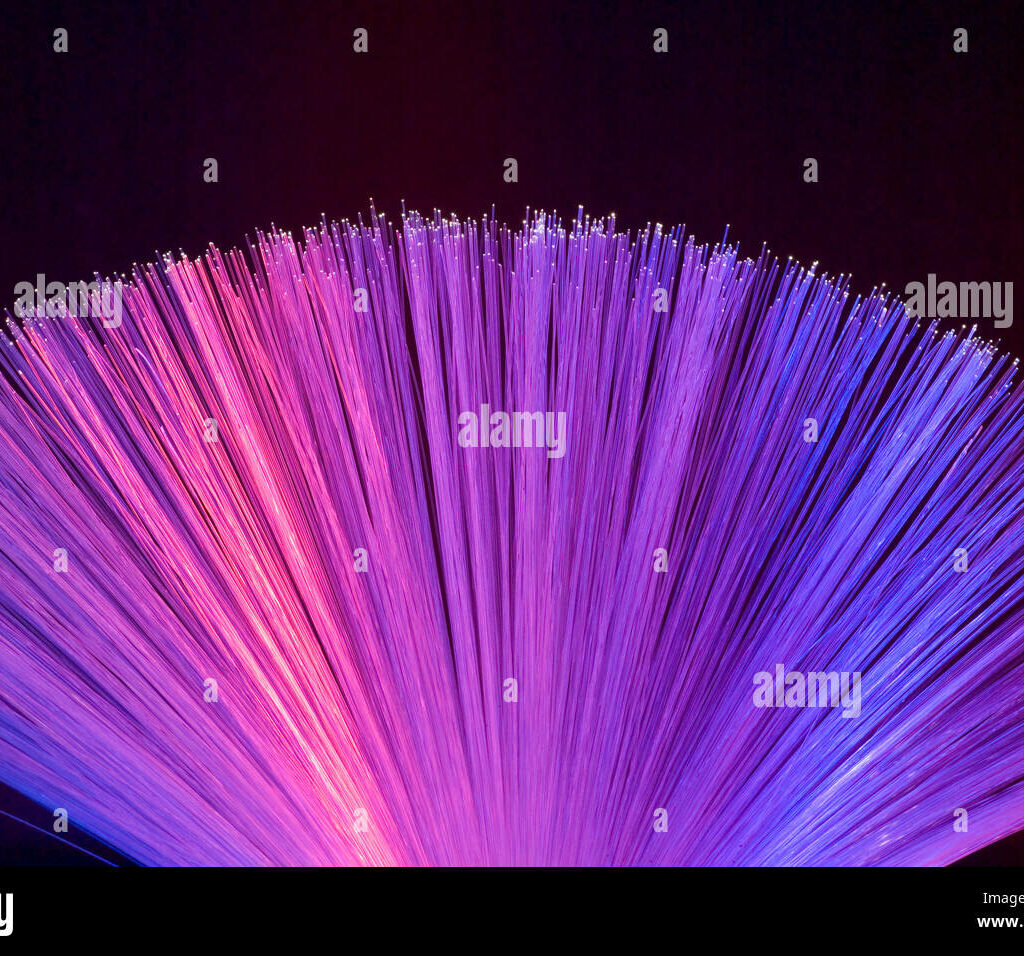
Beyond their technical functionality, bulging fibres embody an intriguing fusion of science and art. Their undulating shapes and luminous qualities challenge the notion of technology as purely utilitarian, inviting appreciation for the visual beauty inherent in optical phenomena.
- Visual Appeal:
The dynamic interplay of light within bulged structures creates captivating visual effects. - Art-Science Integration:
These fibres exemplify how technological innovation can also inspire aesthetic wonder. - Philosophical Reflection:
They provoke contemplation on humanity’s evolving relationship with light and information.
Summary and Future Outlook
In summary, bulging optical fibres represent a significant leap forward in optical communication technology, combining enhanced efficiency, practical utility, and artistic expression. Their development signals a future where connectivity is not only faster and more reliable but also more sustainable and visually engaging. As research and production techniques advance, these fibres are poised to become integral components of next-generation communication and quantum networks, illuminating new pathways for technological and societal progress.
FAQ
What are bulging optical fibres?
Bulging optical fibres are specially designed fibres with localized expansions along their length that trap and store light, acting as optical buffers to improve communication quality.
How do bulging fibres improve telecommunications?
They regulate data flow by buffering light, reducing latency and managing network congestion, which enhances the efficiency and reliability of urban communication networks.
Can bulging fibres be used in quantum computing?
Yes, they help maintain light coherence necessary for transporting qubits and distributing entangled photons, which are essential for scalable quantum networks.
What are the main manufacturing challenges for bulging fibres?
Achieving consistent bulge profiles with precise refractive indices and ensuring compatibility with existing fibre optic systems are key manufacturing challenges.
Do bulging fibres contribute to energy efficiency?
Yes, by improving buffering, they reduce the need for signal amplification, lowering the power consumption of telecommunication infrastructures.





Leave a Reply