
Short Answer
Definition of Instrumentation and Control Engineering
Instrumentation and control engineering is an interdisciplinary branch of engineering that combines principles from physics, mathematics, and various engineering fields to design, analyze, and implement systems that monitor and regulate processes. This discipline is essential across numerous industries, including manufacturing, aerospace, energy, and healthcare, where it enhances system efficiency, safety, and dependability by managing critical process variables.
Core Components: Instrumentation and Control
Understanding this field requires distinguishing its two fundamental elements: instrumentation and control.
- Instrumentation:
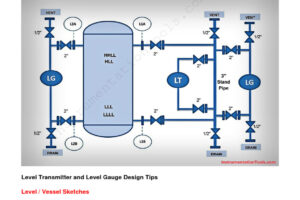
This involves the tools and methods used to measure physical parameters such as temperature, pressure, flow rate, and liquid levels. Devices like thermocouples, pressure sensors, and flow meters convert these physical phenomena into electrical signals that can be analyzed. - Control:
This refers to the techniques and mechanisms employed to manipulate the measured variables to achieve desired system behavior or maintain stability. Control systems adjust inputs based on feedback to ensure optimal operation.
Principles of Feedback in Control Systems
At the heart of control engineering lies the concept of feedback loops, which are essential for maintaining system stability and performance. Feedback involves taking the output of a system and feeding it back into the controller to influence future behavior. This process enables the system to self-correct in response to disturbances or changes in operating conditions.
- Negative Feedback:
Used to reduce deviations from a setpoint, promoting system stability and accuracy. - Positive Feedback:
Amplifies changes and can be used in systems requiring rapid response or oscillation.
Automation and Industry 4.0
Automation is a key focus within instrumentation and control engineering, especially with the rise of Industry 4.0. This new industrial revolution integrates digital technologies with traditional manufacturing, increasing the demand for automated control systems that operate with minimal human oversight. These systems often incorporate artificial intelligence and machine learning to optimize processes, minimize errors, and boost productivity.
Integration of Internet of Things (IoT)
The incorporation of IoT technologies has transformed instrumentation and control engineering by enabling real-time data collection and analysis. IoT devices facilitate seamless communication between interconnected systems, allowing for remote monitoring and control. This connectivity supports predictive maintenance strategies, which anticipate equipment failures before they occur, thereby reducing downtime and maintenance costs.
Challenges and Advanced Control Strategies
Despite its advancements, the field faces significant challenges, particularly in managing non-linear and uncertain systems. Traditional linear control methods often fall short when dealing with complex system behaviors, prompting engineers to adopt advanced techniques such as model predictive control (MPC). MPC uses mathematical models to forecast future system states and optimize control actions accordingly.
Addressing Renewable Energy Integration
The increasing adoption of renewable energy sources like wind and solar introduces variability and unpredictability into power grids. Instrumentation and control engineers develop sophisticated control strategies to integrate these intermittent energy sources while maintaining grid stability and maximizing energy efficiency. This is critical for advancing sustainable energy solutions.
Biomedical Instrumentation Applications
Instrumentation and control engineering also plays a vital role in healthcare through biomedical instrumentation. Innovations such as wearable health monitors continuously track vital signs and transmit data to medical professionals. This real-time feedback enhances patient care by enabling proactive health management and improving diagnostic and treatment accuracy.
Career Opportunities and Professional Development
Careers in instrumentation and control engineering span research and development, system design, and regulatory compliance across both public and private sectors. Professionals in this field require a combination of analytical thinking, creativity, and technical expertise, often collaborating with multidisciplinary teams to drive innovation and solve complex problems.
Educational Pathways
Education in this discipline typically involves a strong foundation in mathematics, physics, and communication, supplemented by specialized courses in control theory, signal processing, and industrial automation. Advanced studies may focus on niche areas such as robotics, avionics, or environmental monitoring, equipping engineers with the knowledge to address modern technological challenges.
Significance and Future Outlook
Instrumentation and control engineering is a dynamic and essential field that underpins technological progress and industrial efficiency. By emphasizing automation, real-time analytics, and sustainable practices, it is set to transform industrial operations and our interaction with technology. As global challenges evolve, the expertise of instrumentation and control engineers will be crucial in developing systems that operate efficiently, safely, and responsibly, unlocking vast potential for innovation.
FAQ
What does instrumentation and control engineering involve?
It combines principles from physics, mathematics, and engineering to design systems that monitor and regulate processes.
What industries utilize instrumentation and control engineering?
Industries such as manufacturing, healthcare, aerospace, and energy rely on this discipline for system efficiency and safety.


Leave a Reply