
Short Answer
Definition of Brain Scans and MRI
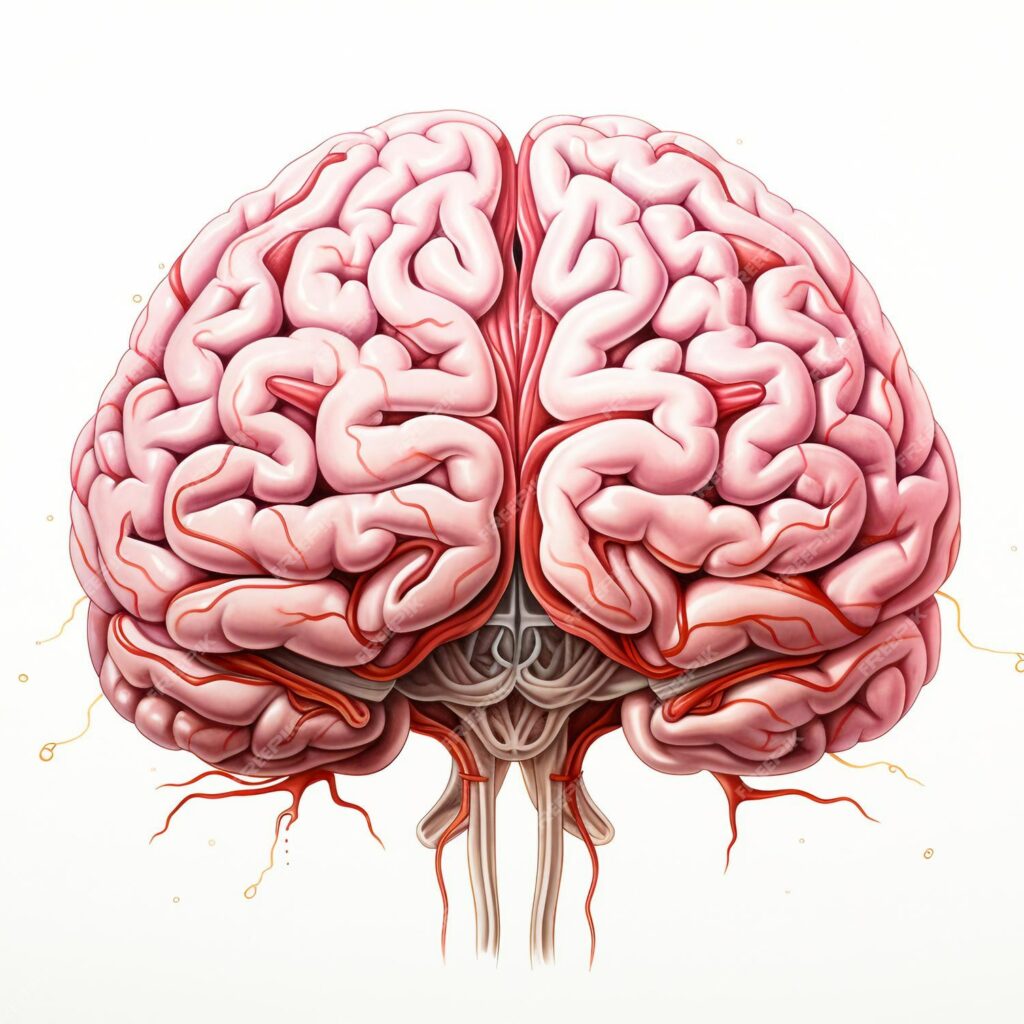
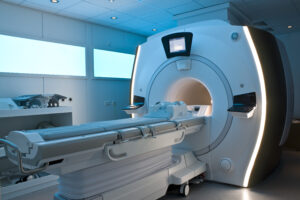
Magnetic Resonance Imaging (MRI) is a specialized medical imaging technique that employs powerful magnetic fields and radiofrequency waves to generate highly detailed images of internal body structures, with particular efficacy in visualizing soft tissues like the brain. In contrast, the term “brain scan” is a more general descriptor encompassing a variety of imaging methods used to examine the brain’s anatomy and function. While every MRI of the brain qualifies as a brain scan, not all brain scans are MRIs. This distinction is crucial for understanding the diverse tools available in neurological imaging.
- Brain Scan:
A broad category including multiple imaging modalities aimed at assessing brain structure and activity. - MRI:
A specific imaging technique that uses magnetic resonance principles to produce detailed images, especially of soft tissues.
Types of MRI and Their Applications
MRI technology encompasses several variants, each tailored to different diagnostic needs. Traditional MRI focuses on capturing the brain’s anatomical details, revealing the intricate neural architecture. Functional MRI (fMRI), on the other hand, measures changes in cerebral blood flow, thereby mapping brain activity by detecting regions with increased oxygen consumption. Another subtype, diffusion tensor imaging (DTI), visualizes the brain’s white matter tracts by tracking the diffusion of water molecules, providing insights into neural connectivity.
- Traditional MRI:
Emphasizes structural imaging to detect abnormalities in brain tissue. - Functional MRI (fMRI):
Assesses brain function by monitoring blood oxygenation levels linked to neural activity. - Diffusion Tensor Imaging (DTI):
Maps white matter pathways to study brain connectivity and integrity.
Other Brain Imaging Modalities
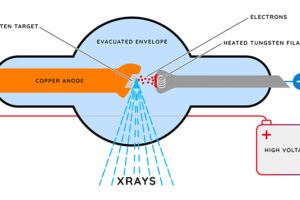
Beyond MRI, several other brain imaging techniques are widely used in clinical and research settings. Computed Tomography (CT) scans utilize X-rays to produce cross-sectional images of the brain, offering rapid assessment especially valuable in emergency situations such as detecting hemorrhages or fractures. Positron Emission Tomography (PET) scans employ radioactive tracers to visualize metabolic processes, providing unique insights into brain function and pathology, particularly in neurodegenerative diseases like Alzheimer’s.
- CT Scan:
Uses ionizing radiation to quickly generate images, ideal for acute trauma or stroke evaluation. - PET Scan:
Highlights metabolic activity through radioactive tracers, useful in diagnosing and monitoring neurological disorders.
Principles Behind MRI Technology
The foundation of MRI lies in the phenomenon of nuclear magnetic resonance. Atomic nuclei, especially hydrogen protons abundant in water and fat, align with a strong external magnetic field. When radiofrequency pulses are applied, these nuclei absorb energy and subsequently emit signals as they return to their original alignment. These emitted signals are captured and processed to construct detailed images of internal tissues. Importantly, MRI does not involve ionizing radiation, making it a safer option for repeated imaging compared to X-ray based methods.
Clinical Decision-Making: Choosing the Right Brain Imaging Technique
The selection of an appropriate brain imaging modality depends on the clinical scenario, patient history, and diagnostic goals. MRI is often preferred for chronic neurological conditions due to its superior soft tissue contrast and ability to reveal subtle structural changes. Conversely, CT scans are favored in emergency contexts where speed is critical, such as in acute stroke or head trauma. PET scans are typically reserved for evaluating metabolic and functional abnormalities, especially in neurodegenerative diseases.
Significance of MRI in Neuroscience and Medicine
MRI has profoundly impacted both clinical practice and neuroscience research. Its non-invasive nature and high-resolution imaging capabilities allow for detailed exploration of brain anatomy and function without exposure to harmful radiation. Functional MRI, in particular, has expanded our understanding of the neural basis of cognition, emotion, and behavior, bridging gaps between neuroscience and psychology. This technology enables researchers and clinicians to visualize brain activity patterns, facilitating advances in diagnosis, treatment planning, and monitoring of neurological disorders.
Limitations and Challenges of Brain Imaging Techniques
- High Cost and Accessibility:
MRI machines are expensive and not universally available, limiting access in some regions. - Patient Compliance:
The requirement to remain still during scans can be challenging for certain patients, such as children or those with claustrophobia. - Diagnostic Limitations:
While MRI excels at structural imaging, it may be less effective in detecting some acute conditions like ischemic strokes compared to CT.
Emerging Innovations in Neuroimaging
Recent advancements are pushing the boundaries of brain imaging. Integration of machine learning and artificial intelligence in image analysis is enhancing diagnostic precision by identifying subtle patterns that may be overlooked by human observers. These technologies hold promise for earlier detection of neurological diseases and personalized treatment strategies. The fusion of cutting-edge computational methods with imaging modalities heralds a new era in neuroscience, offering unprecedented insights into brain health and disease.
Summary: Understanding Brain Scans and MRI
In summary, the term “brain scan” encompasses a variety of imaging techniques designed to visualize the brain’s structure and function, with MRI representing a specific, highly detailed method within this spectrum. Recognizing the distinctions and complementarities among these modalities enriches our comprehension of neuroimaging and its role in medicine. As technology evolves, these imaging tools will continue to illuminate the complexities of the human brain, serving as vital instruments for diagnosis, research, and therapeutic innovation.
FAQ
What is the difference between a brain scan and an MRI?
A brain scan is a general term for various imaging techniques, while MRI specifically uses magnetic fields to create detailed images of the brain.
Are MRIs safe?
Yes, MRIs are generally safe as they do not involve ionizing radiation, but they may not be suitable for everyone.
What other imaging techniques are used for brain assessment?
Other techniques include CT scans and PET scans, each with specific applications.



Leave a Reply