
Short Answer
Definition of MD/PhD in Medical Physics
An MD/PhD in medical physics is a dual-degree program that integrates medical training with advanced scientific research in physics applied to healthcare. This interdisciplinary qualification equips graduates to innovate and improve medical diagnostics and treatments by applying physical principles to clinical problems. The program combines rigorous medical education with in-depth research, preparing individuals to contribute significantly to the advancement of medical technology and patient care.
Overview of Medical Physics
Medical physics is a specialized field that applies the concepts and techniques of physics to medicine, particularly in diagnosing and treating diseases. It encompasses areas such as radiation therapy, medical imaging technologies, and radiation safety protocols. Understanding the scope of medical physics helps candidates appreciate the critical role this discipline plays in enhancing healthcare outcomes through technological innovation.
- Radiation Therapy:
Utilizes ionizing radiation to treat cancer and other diseases. - Medical Imaging:
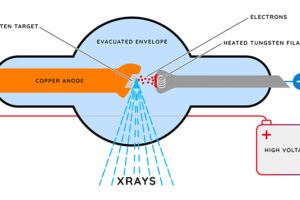
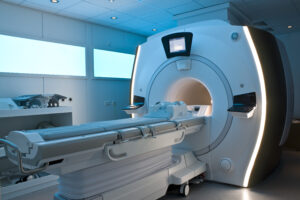
Involves techniques like MRI, CT scans, and X-rays to visualize internal body structures. - Radiation Protection:
Ensures safety standards to protect patients and healthcare workers from harmful radiation exposure.
Academic Foundations for MD/PhD Candidates
Building a strong academic base is essential for success in an MD/PhD program in medical physics. Prospective students typically hold undergraduate degrees in physics, engineering, or related scientific disciplines. Mastery of advanced subjects such as mathematics, biology, and chemistry is crucial, with particular emphasis on courses like electromagnetic theory, thermodynamics, and medical imaging systems. Additionally, familiarity with biostatistics and clinical research methodologies enhances a candidate’s preparedness.
Maintaining a high academic standard, often reflected by a GPA of 3.5 or above, is important for competitive admissions. Candidates should also seek interdisciplinary learning opportunities to broaden their knowledge and skills.
Role of Research Experience
Research is a cornerstone of the MD/PhD pathway, fostering critical analytical skills and technical expertise. Engaging in research projects during undergraduate studies, especially in areas related to medical physics or radiobiology, strengthens an applicant’s profile. Participation in research that leads to publications or conference presentations is highly advantageous.
Summer internships and research assistantships provide immersive experiences and mentorship opportunities. Building strong relationships with faculty members in medical physics can result in valuable recommendations and guidance for graduate program applications.
Gaining Clinical Insight
Exposure to clinical environments is vital for integrating scientific research with patient care. Volunteering or working in healthcare settings allows candidates to understand medical workflows and patient interactions. Shadowing physicians and medical physicists offers practical insights into how physics principles are applied in clinical practice, aligning research goals with real-world healthcare needs.
Standardized Testing and Application Tips
Success in standardized exams such as the GRE and MCAT is critical for admission into MD/PhD programs. Candidates should dedicate sufficient time to prepare, utilizing study guides and practice tests to achieve balanced scores across all sections.
When preparing application materials, it is important to clearly express motivations for pursuing the dual degree. Personal statements should cohesively present academic interests, research experiences, and clinical aspirations, illustrating a clear vision for bridging medical practice and scientific investigation.
Networking and Mentorship Opportunities
Building connections within the medical physics community can provide essential support and career guidance. Attending relevant conferences and joining professional organizations like the American Association of Physicists in Medicine (AAPM) facilitate networking with experienced professionals.
Mentorship from current MD/PhD students or practicing medical physicists offers valuable advice on navigating the challenges of dual-degree programs and advancing in the field.
Personal Growth and Well-being
The demanding nature of an MD/PhD program requires emotional resilience alongside intellectual capability. Candidates should develop strategies for stress management, mindfulness, and effective time management to maintain mental health throughout their studies.
Self-awareness regarding strengths and areas for improvement helps in cultivating a balanced skill set suited for both clinical and research environments. Participation in extracurricular activities can also demonstrate leadership, teamwork, and community involvement.
Future Career Pathways
Prospective MD/PhD graduates in medical physics have diverse career options, including academic research, clinical practice, and roles in the medical technology industry. Understanding these potential trajectories can provide motivation and help focus research interests during training.
Conclusion
Pursuing an MD/PhD in medical physics is a challenging yet rewarding endeavor that demands comprehensive preparation across academic, research, clinical, and personal domains. By strategically developing expertise and experience in these areas, candidates position themselves to make meaningful contributions to healthcare innovation and patient outcomes. This journey represents a significant investment in both personal growth and the future of medical science.
FAQ
What undergraduate degrees are recommended for MD/PhD in medical physics?
Undergraduate degrees in physics, engineering, or closely related fields with coursework in mathematics, biology, and chemistry are recommended.
How important is research experience for MD/PhD admissions in medical physics?
Research experience is crucial as it develops critical thinking and technical skills, and participation in projects with publications or presentations strengthens applications.
What standardized tests should candidates prepare for?
Candidates should prepare for the GRE and MCAT exams, aiming for balanced scores to demonstrate well-rounded aptitude.
Why is clinical exposure important for MD/PhD candidates in medical physics?
Clinical exposure helps candidates understand the healthcare environment, patient interactions, and how physics applies to clinical practice.
What professional organizations support MD/PhD candidates in medical physics?
The American Association of Physicists in Medicine (AAPM) is a key organization providing resources, networking, and mentorship opportunities.



Leave a Reply