
Short Answer
Overview of Medical Career Paths
Embarking on a career in medicine involves navigating a complex array of specialties, each with its own distinct appeal and required expertise. Among these, the roles of a Medical Doctor (MD) and a Radiologist are often compared due to their shared symbolism of the white coat, yet they differ significantly in their approaches and daily responsibilities. Choosing between these professions often reflects deeper personal interests-whether it be a dedication to patient interaction, a fascination with cutting-edge technology, or a passion for diagnostic challenges.
Defining the Roles: Medical Doctor vs. Radiologist
Understanding the fundamental differences between an MD and a Radiologist is essential to appreciating their unique contributions to healthcare.
- Medical Doctor (MD):
Typically serving as primary care providers, MDs focus on direct patient engagement. They gather detailed histories, interpret symptoms, and build trusting relationships to deliver comprehensive care. Their role blends scientific knowledge with interpersonal skills, emphasizing communication and empathy. - Radiologist:
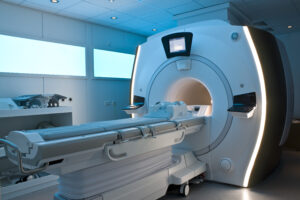
Radiologists specialize in interpreting medical images such as X-rays, MRIs, and CT scans. Their expertise lies in utilizing advanced imaging technologies to diagnose conditions that are not visible externally. This profession demands precision, analytical thinking, and a strong grasp of both human anatomy and imaging physics.
Patient Interaction and Work Environment
The nature of patient contact and daily workflow varies considerably between these two professions.
- MDs:
Engage directly with patients, often forming long-term relationships. Their work environment is dynamic and unpredictable, requiring adaptability and emotional resilience to manage diverse medical cases and patient needs. - Radiologists:
While involved in patient care, radiologists primarily work behind the scenes, analyzing images rather than conducting physical examinations. Their schedules tend to be more structured, offering a balance between professional responsibilities and personal time.
Intellectual and Technical Demands
Both careers demand rigorous intellectual engagement but differ in focus and skill sets.
- Medical Doctors:
Must maintain a broad and evolving knowledge base across various medical disciplines. They integrate clinical data with patient narratives to make informed decisions, requiring a blend of empathy, critical thinking, and holistic understanding. - Radiologists:
Often attracted to the intersection of medicine, physics, and technology. Their work involves interpreting complex imaging data, understanding radiative principles, and staying abreast of technological innovations that enhance diagnostic accuracy.
Lifestyle Considerations and Work-Life Balance
The demands and lifestyle implications of each profession can influence career choice significantly.
- Medical Doctors:
Frequently face long, irregular hours and the emotional toll of patient care, which can lead to stress and burnout. The intensity of their work requires stamina and a strong support system. - Radiologists:
Generally benefit from more predictable schedules and greater control over work hours, facilitating a healthier work-life balance. This predictability can be appealing for those seeking stability alongside professional growth.
Financial Aspects
Compensation is an important factor in career decisions within the medical field.
- Radiologists:
Tend to earn higher salaries compared to many MDs, reflecting the specialized nature of their skills and the technological expertise required. - Medical Doctors:
While remuneration varies widely depending on specialty and location, primary care MDs often earn less than radiologists, though their role remains vital to healthcare systems.
Motivations Behind Career Choices
The decision to pursue a career as an MD or a Radiologist often stems from individual passions and professional goals.
- MDs:
Are frequently motivated by the desire for meaningful patient relationships and the dynamic challenges of clinical care. The human stories encountered in practice fuel their dedication and resilience. - Radiologists:
Are drawn to the blend of medicine and technology, finding excitement in diagnostic problem-solving and the continuous evolution of imaging techniques.
Why These Roles Are Crucial in Healthcare
Both MDs and Radiologists play indispensable roles in the medical ecosystem, contributing uniquely to patient outcomes and the advancement of medicine.
- MDs:
Provide holistic care that addresses not only physical ailments but also emotional and social factors affecting health. - Radiologists:
Enhance diagnostic precision through technological innovation, enabling earlier detection and more effective treatment planning.
Summary: Aligning Passion with Profession
Choosing between becoming an MD or a Radiologist is more than selecting a specialty; it is a reflection of one’s core interests and how one wishes to impact the field of medicine. Whether drawn to the personal connections and comprehensive care of an MD or the analytical and technological challenges of radiology, each path offers a fulfilling journey marked by meaningful contributions to human health and medical progress.
FAQ
What is the primary difference between an MD and a Radiologist?
An MD focuses on direct patient care and relationships, while a Radiologist specializes in interpreting medical images and utilizes advanced technology for diagnostics.
What are the lifestyle considerations for MDs and Radiologists?
MDs often have unpredictable hours and emotional demands, whereas Radiologists generally enjoy more structured schedules and work-life balance.



Leave a Reply