
Short Answer
Understanding Fame: A Multifaceted Phenomenon
Fame extends far beyond simple recognition of an individual’s accomplishments; it represents a complex fusion of societal influences, psychological factors, and even principles reminiscent of physical sciences. The concept of fame can be intriguingly compared to cosmic events, where gravitational forces govern the movement of stars, just as public opinion and media narratives shape the rise and fall of celebrity status. This article delves into the intricate nature of fame, drawing insightful analogies between the life cycles of stars and the public journeys of renowned personalities.
Definition of Fame
Fame is the widespread acknowledgment and admiration of a person, often driven by their achievements, persona, or public presence. It is not merely about being known but involves a dynamic interaction between the individual and society, influenced by media portrayal and collective perception.
- Social Magnetism:
Like celestial bodies exerting gravitational pull, famous individuals attract public attention and influence social behavior. - Visibility and Influence:
Fame thrives on exposure, with celebrities projecting carefully crafted images that resonate with audiences.
The Mechanics Behind Fame
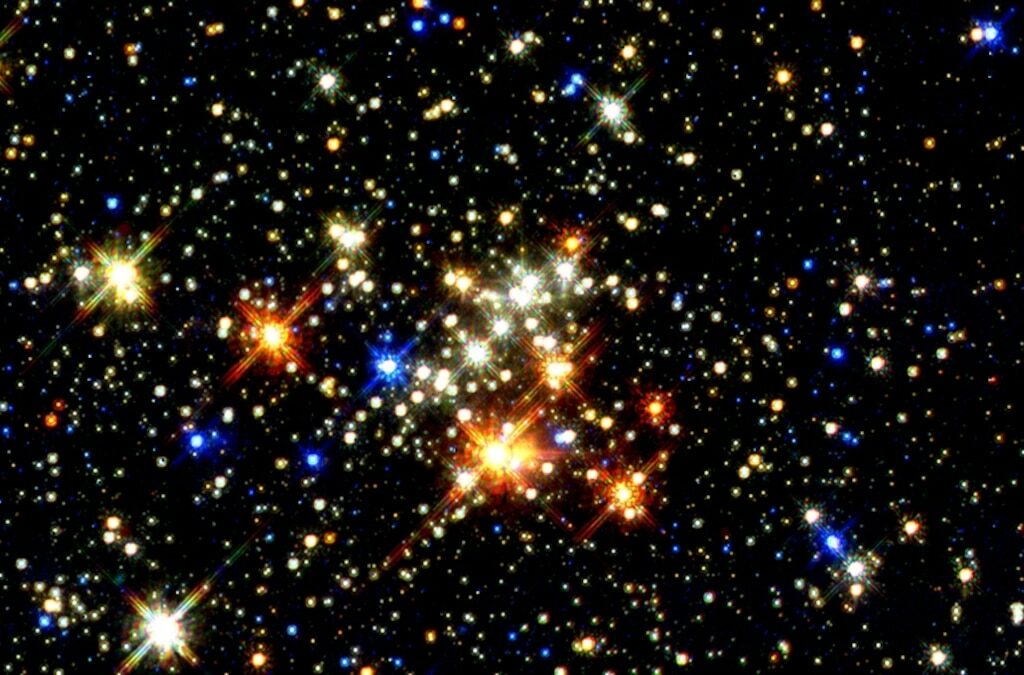
The process of becoming famous can be likened to the birth and evolution of a star. Initially, a celebrity’s rise is rapid and energetic, fueled by talent, charisma, and strategic promotion-similar to a star forming within a nebula. This phase is marked by intense public interest and media spotlight, akin to a star’s bright supernova stage.
However, sustaining fame requires continuous effort and adaptation. As stars evolve into red giants, celebrities face increased scrutiny and pressure, which can lead to a decline in popularity. The public’s affection may wane as the initial excitement fades, reflecting the depletion of a star’s core energy.
Fame’s Lifecycle: Parallels with Stellar Evolution
- Emergence:
The initial burst of fame resembles a star’s formation, characterized by rapid growth and high visibility. - Peak Popularity:
The ‘supernova’ phase where a celebrity commands maximum attention and influence. - Decline:
Similar to a star exhausting its fuel, fame can diminish due to changing public tastes or personal challenges. - Rebirth or Fall:
Some celebrities experience resurgence, akin to stars reborn through cosmic phenomena, while others fade into obscurity.
Impact of Scandal and Public Perception
Fame is inherently volatile, often disrupted by scandals or misfortunes that can abruptly alter a celebrity’s standing. These events parallel the explosive supernova phase in stellar life cycles, marking dramatic transitions. Society’s fascination with the rise and fall of public figures reflects a deeper psychological engagement with themes of downfall and redemption.
Sociological Dimensions of Fame
Beyond individual stories, fame functions as a societal mirror, reflecting collective values, dreams, and sometimes follies. The allure of celebrity status lies in its embodiment of cultural ideals and aspirations, elevating ordinary traits into symbols of extraordinary significance.
- Collective Consciousness:
Fame’s gravitational pull stems from society’s shared desire to connect with and celebrate the exceptional. - Social Currency:
Information about celebrities acts like energy transfer, shaping public opinion and reinforcing status.
The Role of Mass Psychology in Celebrity Culture
Mass psychology plays a crucial role in the dynamics of fame. The dissemination of information about public figures influences collective attitudes, much like photons transmitting energy across space. The fluctuating nature of fame mirrors economic cycles, where popularity can surge or collapse, allowing new personalities to emerge while others fade.
Digital Media and the Evolution of Fame
The rise of digital platforms has transformed how fame operates. Social media serves as both a magnifier and a distorting lens, altering perceptions and accelerating the pace of celebrity culture. This shift resembles light refracting through a prism, creating fragmented and multifaceted images of fame.
Instant access to information enables the public to idolize or criticize figures rapidly, resulting in a non-linear, fractal pattern of fame characterized by frequent rises and falls. Celebrities must continuously reinvent themselves to maintain relevance in this fast-changing environment.
The Democratization and Diversification of Fame
Unlike traditional media’s singular focus, the digital age has introduced a multitude of influencers, creating a complex network of fame akin to a galaxy filled with interacting stars. This diversification reflects the chaotic yet beautiful nature of celebrity culture today, where multiple actors influence each other’s trajectories unpredictably.
Why Fame Matters: Cultural and Psychological Significance
Fame holds profound importance in both societal and individual contexts. It satisfies a fundamental human need for connection, recognition, and meaning. The cosmic metaphor of fame as a dance of creation, destruction, and renewal highlights its role in shaping cultural narratives and personal identities.
Ultimately, the physics of fame encapsulates broader themes about human nature, illustrating our enduring quest to find significance amid the spectacle of life.
FAQ
What is fame?
Fame refers to the widespread acknowledgment and admiration of an individual, influenced by societal and media factors.
Why is fame considered volatile?
Fame can be disrupted by scandals or changes in public perception, akin to the explosive phases in a star's life cycle.





Leave a Reply