
Short Answer
Definition and Overview of Beetle Exoskeletons
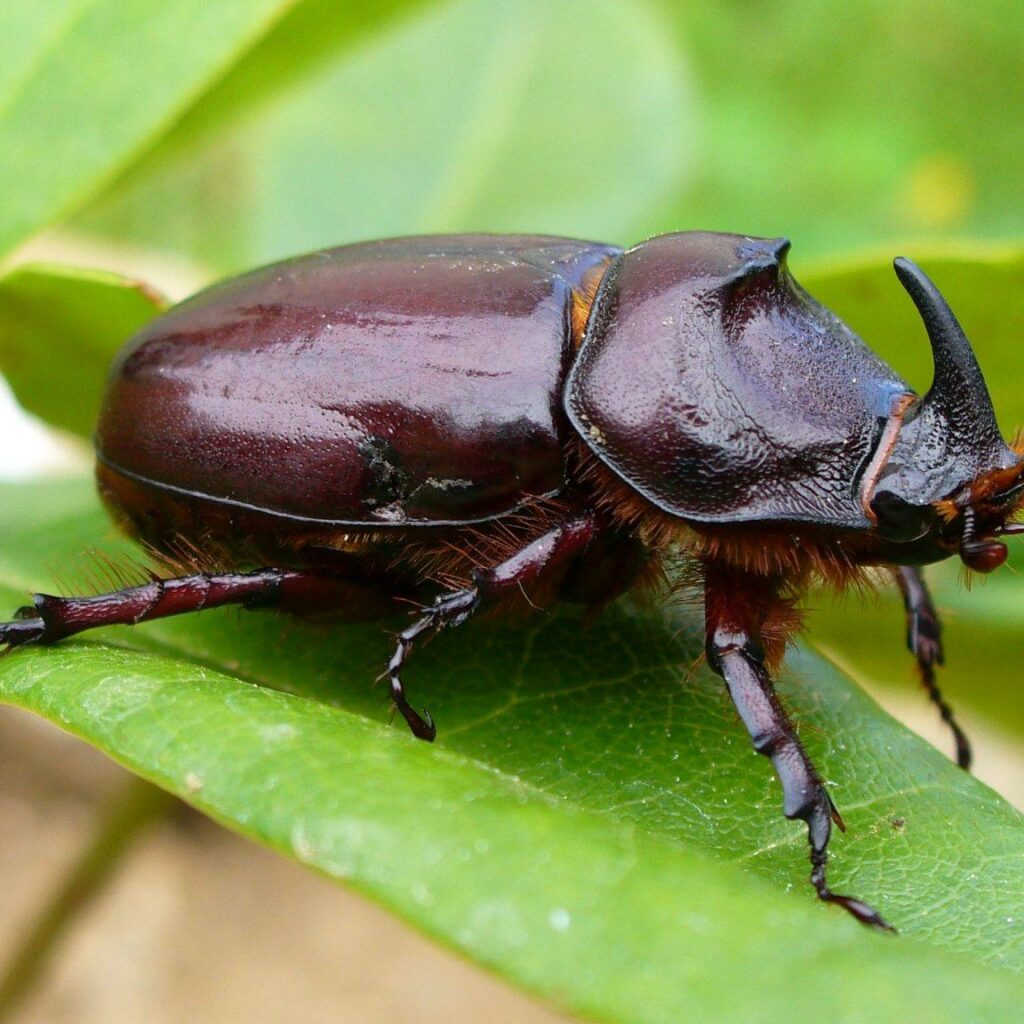
Beetles, classified under the order Coleoptera, are renowned for their diverse and striking exoskeletons. These external shells are not only visually captivating with their vivid colors and intricate patterns but also serve multiple vital functions. Beyond their aesthetic appeal, beetle exoskeletons represent a remarkable example of natural engineering and evolutionary adaptation, playing crucial roles in protection, survival, and ecological interactions.
Composition and Structural Features
The beetle’s outer shell, commonly referred to as the cuticle, is primarily composed of chitin-a complex polysaccharide that imparts both strength and flexibility. Underneath this chitinous layer lie proteins that enhance the shell’s durability and contribute to its coloration. The wide variety of shell shapes and textures among beetle species supports numerous functions, including defense against predators and regulation of body temperature.
- Chitin:
A tough, flexible carbohydrate forming the main structural component of the exoskeleton. - Protein Layers:
These layers add mechanical strength and influence the shell’s color patterns. - Structural Coloration:
Many beetles exhibit iridescent hues caused by microscopic surface structures that manipulate light, creating shimmering effects that change with the viewing angle, rather than relying solely on pigments.
Evolutionary Adaptations of Beetle Shells
Over millions of years, beetle shells have evolved to meet the demands of diverse environments and lifestyles. Natural selection has shaped these exoskeletons to optimize survival strategies, from chemical defenses to specialized morphologies.
- Chemical Defense:
The bombardier beetle, for example, stores toxic chemicals within its shell and can eject them explosively to deter predators. - Protective Morphologies:
Shell shapes vary widely, such as the dome-shaped, brightly colored shells of ladybugs that serve as warning signals to predators about their toxicity.
Ecological Roles and Functional Diversity
Beetle shells are intricately linked to their ecological niches, influencing behaviors and interactions within ecosystems.
- Aposematism:
Bright coloration in species like ladybugs warns predators of their unpalatability. - Camouflage:
Many beetles, such as longhorn beetles, have shells patterned to mimic tree bark or foliage, enabling them to blend seamlessly into their surroundings and avoid detection. - Specialized Adaptations:
Rove beetles possess elongated shells that facilitate burrowing and hunting in decomposing organic matter.
Camouflage and Survival Strategies
Camouflage is a critical survival mechanism for many beetle species. Their shells often replicate the textures and colors of their habitats, providing concealment from predators and aiding in ambush predation. This evolutionary strategy highlights the importance of visual perception in predator-prey dynamics and the ongoing evolutionary arms race in nature.
Biomimicry and Technological Inspiration
The complex structural designs of beetle exoskeletons have inspired innovations in materials science and engineering. Researchers study these natural patterns to develop advanced materials that mimic the shells’ exceptional strength-to-weight ratios and potential self-repair capabilities. This intersection of biology and technology exemplifies how evolutionary solutions can inform human innovation.
Environmental Indicators and Beetle Shells
Changes in beetle shell coloration and condition can reflect environmental health. Variations in pigmentation may signal exposure to pollutants, temperature shifts, or habitat degradation. Consequently, beetles serve as valuable bioindicators, providing insights into ecosystem stability and biodiversity.
Cultural Significance and Aesthetic Appreciation
Throughout history, beetle shells have fascinated humans, symbolizing qualities such as resilience and transformation in various cultures. Their jewel-like appearance has made them prized in art, jewelry, and fashion, blending scientific admiration with cultural and aesthetic appreciation.
Ecological Importance and Conservation Implications
The resilience embodied by beetle shells underscores the adaptability of life in the face of environmental challenges. Studying these structures encourages a deeper understanding of ecological interdependencies and promotes conservation efforts aimed at preserving biodiversity and ecosystem health.
Conclusion: The Multifaceted Significance of Beetle Shells
Beetle exoskeletons encapsulate a rich narrative of evolutionary innovation, ecological function, and natural beauty. Their study not only enhances our knowledge of biological design but also inspires technological advancements and cultural appreciation. Continued research into these remarkable structures promises to reveal further insights into the complexities of life and the delicate balance of our natural world.
FAQ
What are beetle exoskeletons made of?
Beetle exoskeletons are primarily composed of chitin, a complex polysaccharide, along with protein layers that enhance strength and color.
How do beetle shells contribute to survival?
Beetle shells serve various functions, including protection from predators, temperature regulation, and aiding in camouflage.
What is the significance of beetle shells in technology?
The structural designs of beetle exoskeletons inspire innovations in materials science, contributing to the development of advanced materials.






Leave a Reply