

Short Answer
Definition of Medical Physics in Healthcare
Medical physics is a specialized discipline that applies the principles of physics to medicine, particularly in the diagnosis and treatment of diseases. Medical physicists are experts who ensure the safe and effective use of radiation and imaging technologies in healthcare settings. Unlike surgeons, medical physicists do not perform surgical procedures; instead, they provide critical support that enhances the precision and safety of medical interventions, especially in radiation therapy and diagnostic imaging.
Core Responsibilities of Medical Physicists
Medical physicists possess a deep understanding of physics tailored to medical applications. Their primary duties include optimizing diagnostic imaging systems and therapeutic techniques that involve ionizing radiation and other modalities. Key activities involve calibrating complex imaging equipment, calculating accurate radiation doses, and implementing quality assurance protocols. These tasks are essential for maintaining high standards of patient safety and treatment efficacy, although they do not involve direct surgical intervention.
Radiation Therapy and Treatment Planning
One of the most critical roles of medical physicists is in radiation therapy, where they combine knowledge of radiation physics with clinical oncology to develop individualized treatment plans. Their expertise ensures that radiation doses are precisely targeted to destroy cancerous tissues while sparing healthy surrounding cells. This balance is vital for improving treatment outcomes and minimizing side effects, which can significantly influence surgical recovery and overall patient prognosis.
Preoperative Imaging and Surgical Support
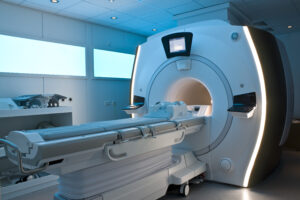
Medical physicists contribute significantly to preoperative planning by ensuring the quality and safety of imaging studies such as CT and MRI scans. They verify that images meet stringent quality standards and comply with safety regulations, providing surgeons with accurate anatomical information. This precision aids surgeons in navigating complex anatomy, potentially reducing operation times and lowering the risk of complications due to unexpected anatomical variations.
Radiation Safety and Quality Assurance
Ensuring radiation safety is a fundamental responsibility of medical physicists. They design and oversee quality assurance programs that protect patients and healthcare workers from unnecessary radiation exposure. By establishing and enforcing safety protocols in operating rooms and outpatient facilities, medical physicists uphold ethical standards and contribute to a safer healthcare environment.
Innovations and Research in Medical Physics
Medical physicists are actively involved in research and technological development that drive advancements in surgical and diagnostic methods. Their work includes developing imaging biomarkers, enhancing hyperthermia treatments, and applying sophisticated computational algorithms to improve diagnostic accuracy and therapeutic effectiveness. These innovations pave the way for more precise, minimally invasive surgical techniques and improved patient recovery experiences.
Role in Interventional Radiology
In interventional radiology, which involves minimally invasive, image-guided procedures, medical physicists play a crucial role in optimizing imaging systems and ensuring radiation protection. Although radiologists perform the interventions, the physicists’ expertise guarantees that imaging guidance is accurate and radiation doses are minimized, enhancing both the safety and success of these procedures.
Education and Multidisciplinary Collaboration
Medical physicists frequently engage in educational activities, collaborating with surgical teams to share knowledge about radiation safety and imaging best practices. This multidisciplinary approach fosters a culture of safety and continuous learning within surgical environments, ultimately improving patient care. By equipping surgeons with a deeper understanding of imaging and radiation principles, medical physicists help elevate the quality of surgical procedures.
Impact of Technological Advancements on Medical Physics
As surgical technologies evolve, incorporating robotic systems and advanced imaging modalities, the role of medical physicists becomes increasingly vital. Their expertise in calibrating and optimizing these sophisticated tools ensures that surgical teams can fully leverage technological innovations, enhancing the precision and effectiveness of surgical interventions.
Why Medical Physicists Are Essential to Surgery
Although medical physicists do not perform surgeries themselves, their behind-the-scenes contributions are indispensable to successful surgical outcomes. They safeguard patient health by maintaining rigorous safety standards and refining the technologies surgeons rely on. This collaborative dynamic between medical physics and surgery exemplifies how interdisciplinary efforts improve patient experiences and treatment results.
Future Perspectives in Medical Physics and Surgery
The field of medical physics, often underrecognized, is a cornerstone of modern surgical practice and medical innovation. As healthcare increasingly embraces multidisciplinary collaboration, the role of medical physicists is expected to expand, fostering new developments at the intersection of physics and surgery. These advancements promise to enhance surgical efficiency, safety, and patient care quality in the years ahead.
FAQ
Do medical physicists perform surgical procedures?
No, medical physicists do not perform surgeries. Their role is primarily technical and supportive, ensuring the safety and effectiveness of medical imaging and radiation treatment.
How do medical physicists support surgery?
They optimize imaging quality, plan radiation treatments, ensure radiation safety, and assist in integrating advanced technologies in surgical procedures.
What is the importance of radiation safety in medical physics?
Radiation safety helps protect patients and healthcare workers from unnecessary exposure, ensuring treatments are both safe and effective.
Are medical physicists involved in research?
Yes, they contribute to developing new imaging and treatment technologies that can enhance surgical and therapeutic outcomes.




Leave a Reply