
Short Answer
Definition of Celestial Influence on Human Life
The concept of celestial influence refers to the idea that astronomical bodies such as stars, planets, the sun, and the moon exert some form of effect on human existence. This influence can be interpreted in various ways, ranging from physical impacts on the environment to symbolic and psychological effects on human culture and behavior. Historically, this notion has been embedded in mythology, astrology, and cultural traditions, suggesting that the cosmos plays a role in shaping human destiny and daily life.
Physical Interactions Between Celestial Bodies and Earth
Celestial bodies undeniably affect Earth and its inhabitants through measurable physical phenomena:
- Solar Influence:
The sun is the primary driver of life on Earth, regulating daylight, seasons, and climate. It powers photosynthesis, which sustains ecosystems, and governs human circadian rhythms, influencing sleep and activity cycles. - Lunar Effects:
The moon’s gravitational pull causes ocean tides, which in turn affect coastal ecosystems and human settlements near shorelines. The lunar cycle has historically served as a natural calendar for agricultural societies.
Astrology and Cultural Interpretations
Beyond physical effects, many cultures have embraced astrology, the belief that the positions and movements of planets and stars influence individual personality traits, fate, and daily events. This ancient practice remains popular worldwide, deeply embedded in cultural narratives and personal belief systems. However, astrology’s claims of direct causality between celestial configurations and human affairs are highly debated and lack scientific validation.
Scientific Perspective on Celestial Influence
Modern science rigorously examines claims of celestial impact on human life, particularly those made by astrology. The consensus among astronomers and physicists is that, aside from the sun and moon, the gravitational, electromagnetic, and radiative forces from distant stars and planets are too weak to produce measurable effects on individual humans. Empirical studies have failed to demonstrate reproducible evidence supporting astrology’s deterministic assertions.
Psychological and Cultural Significance of Celestial Phenomena
While scientific evidence for direct influence is lacking, the human fascination with the cosmos reveals important psychological and cultural dimensions:
- Pattern Recognition:
Humans have an innate tendency to find order and meaning in complex stimuli. Celestial cycles provide a reliable framework for organizing time, seasons, and navigation. - Symbolism and Metaphor:
Stars and planets often symbolize fate, aspiration, or divine forces, serving as metaphors that bridge the tangible and intangible aspects of human experience. - Existential Reflection:
The vastness of the universe compared to human scale evokes feelings of awe and humility, fostering a profound connection to the cosmos that transcends empirical measurement.
Scale and Perspective: Human Place in the Universe
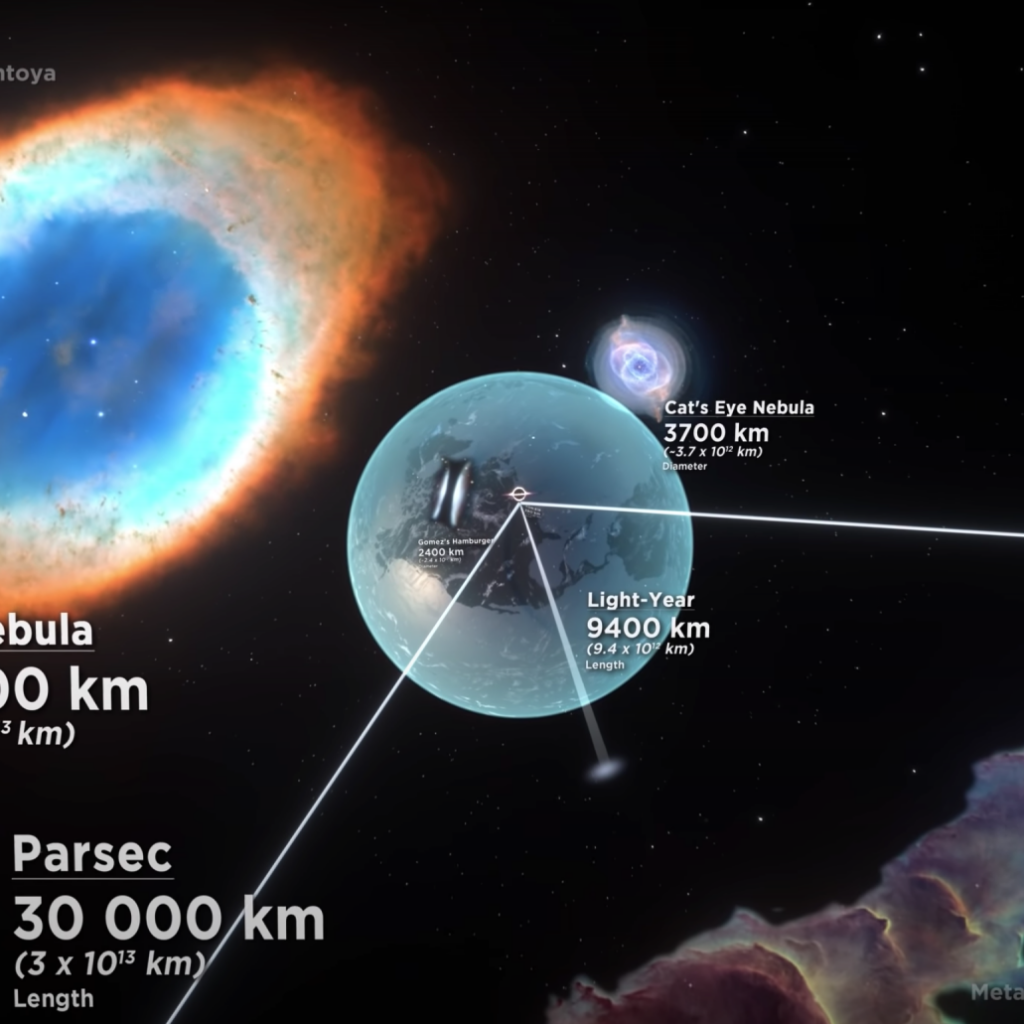
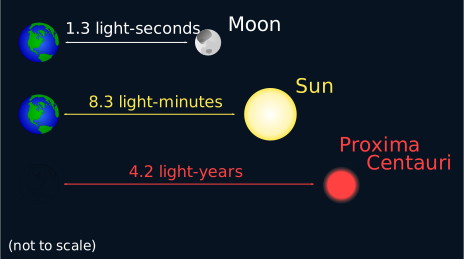
The immense size and distance of celestial bodies relative to human life highlight a paradox of insignificance and grandeur. Visualizing the scale of planets and stars compared to humans underscores the incomprehensible vastness of the cosmos, which has inspired wonder and philosophical inquiry throughout history. This perspective shapes how humans relate to the universe and their own existence within it.
Modern Scientific Discoveries and Their Impact on Cosmic Fascination
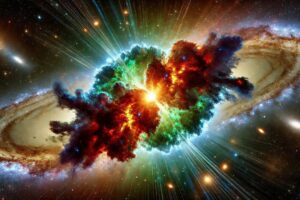
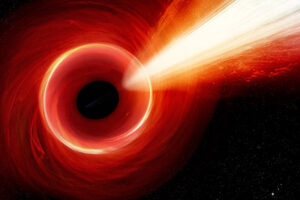
Contemporary astronomy continues to reveal astonishing phenomena such as black holes, exoplanets, and star formation processes. These discoveries deepen our understanding of the universe and simultaneously fuel human imagination and curiosity. The relationship between scientific knowledge and cosmic wonder remains dynamic, enriching cultural narratives and personal reflections on the cosmos.
Indirect Celestial Influences on Human Health and Behavior
Celestial cycles can indirectly affect human well-being through environmental changes:
- Seasonal Affective Disorder (SAD):
Variations in sunlight exposure linked to Earth’s orbit around the sun influence mood and activity levels, demonstrating a tangible celestial impact on human health. - Lunar Cycle Effects:
Some studies suggest correlations between moon phases and sleep patterns or psychological states, though these findings remain inconclusive and controversial.
Common Misconceptions About Celestial Influence
Planets and stars directly determine individual personality and fate.
Scientific evidence does not support deterministic claims of astrology; celestial bodies beyond the sun and moon exert negligible physical influence on humans.
The moon’s phases cause dramatic behavioral changes.
While lunar cycles affect tides and have symbolic significance, robust scientific data linking them to significant behavioral changes is lacking.
Why Understanding Celestial Influence Matters
Recognizing the multifaceted relationship between humans and celestial bodies is important for several reasons. Celestial phenomena govern environmental rhythms essential to life, such as day-night cycles and seasons. They also shape cultural traditions, navigation, and timekeeping. Psychologically, the cosmos provides a framework for meaning-making, inspiring creativity and existential reflection. Appreciating this complex interplay enriches our understanding of human history, culture, and our place in the universe.
FAQ
Do celestial bodies affect human behavior?
While celestial bodies have measurable effects like tides and light exposure, scientific evidence does not support significant influences on individual behavior or personality traits as claimed by astrology.
What is the role of the sun in celestial influence?
The sun regulates life on Earth by controlling daylight, seasons, and climate, which in turn affect biological rhythms and ecosystems.

Leave a Reply