
Short Answer
Definition of DNA-Graphene Sensors
DNA-graphene sensors represent an advanced class of chemical sensors that combine the biological specificity of deoxyribonucleic acid (DNA) with the exceptional physical properties of graphene. This hybrid technology leverages the molecular recognition capabilities of DNA and the superior electrical conductivity of graphene to create highly sensitive and selective detection platforms. These sensors are designed to identify and quantify various biological and chemical substances with remarkable precision.
Fundamental Components
DNA: The Biological Recognition Element
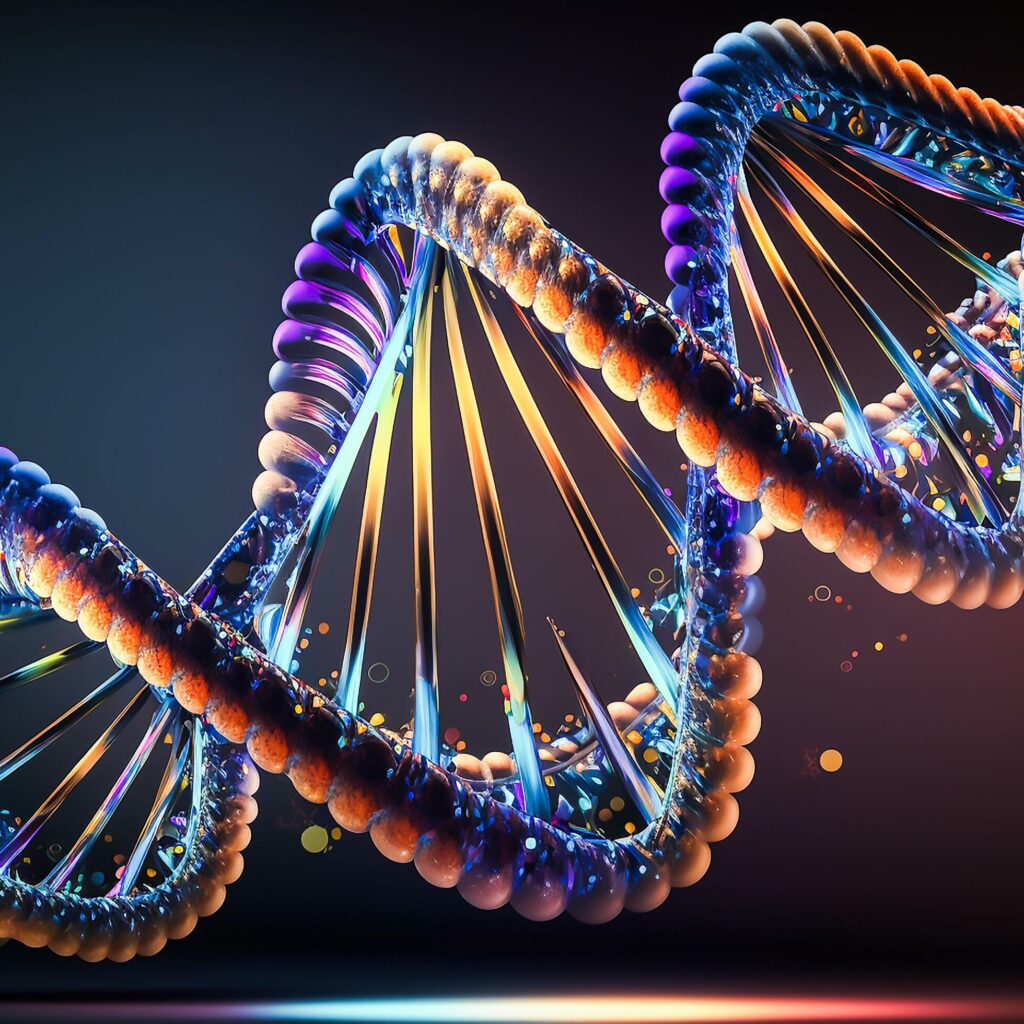
DNA, or deoxyribonucleic acid, serves as the genetic blueprint for living organisms. Its structure consists of a double helix formed by sequences of nucleotides, each sequence encoding specific genetic information. The unique ability of DNA to selectively bind complementary sequences or target molecules makes it an ideal candidate for biosensing applications. This specificity allows DNA to act as a molecular probe capable of detecting trace amounts of biomolecules, which is crucial for early disease diagnosis and biomarker identification.
Graphene: The Conductive Substrate
Graphene is a single atomic layer of carbon atoms arranged in a two-dimensional honeycomb lattice. It exhibits extraordinary electrical conductivity, mechanical strength, and thermal stability. Its large surface area and biocompatibility make it an excellent platform for sensor fabrication. Graphene’s surface can be chemically modified to attach biomolecules such as DNA, enhancing its functionality in biosensing devices.
How DNA-Graphene Sensors Operate
The working principle of DNA-graphene sensors is based on the interaction between target analytes and DNA strands immobilized on the graphene surface. When a specific molecule binds to the DNA probe, it induces a conformational change in the DNA structure. This alteration affects the charge distribution and electron transfer at the graphene interface, leading to measurable changes in the electrical properties of the graphene layer. These electrical signals are then translated into quantitative data, enabling the detection of extremely low concentrations of analytes.
Mechanism of Detection
- Charge Transfer:
Binding events between DNA and target molecules modulate the electron density on graphene, altering its conductivity. - Conformational Changes:
Structural shifts in DNA upon analyte binding influence the sensor’s electrical response. - Signal Transduction:
Electrical variations are converted into readable signals for analysis.
Applications in Medicine and Environmental Science
Medical Diagnostics
DNA-graphene sensors have transformative potential in healthcare, particularly for rapid and accurate disease detection. They can identify nucleic acid sequences associated with pathogens or cancer biomarkers at very early stages, significantly improving diagnostic timelines. For instance, these sensors can reduce the detection time of cancer-related genetic markers from days to minutes, facilitating timely therapeutic interventions.
Environmental Monitoring
Beyond healthcare, these sensors are instrumental in environmental surveillance. By functionalizing graphene with various DNA sequences, sensors can be tailored to detect specific pollutants such as heavy metals, pesticides, or toxic chemicals in soil and water. This adaptability enables real-time monitoring of environmental contaminants, aiding in ecological protection and regulatory compliance.
Multiplexing Capability
One of the standout features of DNA-graphene sensors is their ability to perform multiplexed detection. This means they can simultaneously identify multiple analytes within a single assay, enhancing efficiency and reducing costs. This multiplexing is akin to an orchestra where each DNA probe acts as a distinct instrument, collectively producing a comprehensive diagnostic or environmental profile.
Challenges and Future Directions
Despite their promising attributes, DNA-graphene sensors face several hurdles. Ensuring the stable attachment of DNA probes to graphene and achieving consistent sensor performance remain technical challenges. Researchers are actively exploring improved functionalization techniques and materials engineering to enhance sensor durability and reproducibility. Additionally, ethical considerations, particularly regarding the privacy of genetic data collected by these sensors, are under scrutiny.
Future advancements will likely depend on interdisciplinary collaboration among biochemists, materials scientists, engineers, and ethicists. Such partnerships are essential to refine sensor technology, address societal concerns, and facilitate the transition from laboratory prototypes to widespread practical applications.
Significance and Impact
The integration of DNA and graphene into a unified sensing platform marks a significant leap in sensor technology. This synergy offers unparalleled sensitivity and specificity, enabling breakthroughs in medical diagnostics, environmental monitoring, and beyond. By harnessing the molecular precision of DNA and the robust physical properties of graphene, these sensors open new frontiers in understanding and managing biological and chemical systems. Their development exemplifies the power of combining biological molecules with advanced nanomaterials to create innovative solutions for real-world challenges.
FAQ
What are DNA-graphene sensors?
DNA-graphene sensors are advanced chemical sensors that utilize the specificity of DNA and the conductivity of graphene for sensitive detection of biological and chemical substances.
What applications do DNA-graphene sensors have?
They are primarily used in medical diagnostics for rapid disease detection and in environmental monitoring for detecting pollutants.
What are the challenges faced in developing DNA-graphene sensors?
Challenges include ensuring stable attachment of DNA probes, achieving consistent sensor performance, and addressing ethical considerations regarding privacy of genetic data.



Leave a Reply