
Short Answer
Definition and Overview of the COROT Mission
The COROT mission, an acronym for Convection, Rotation and Transit, represents a landmark achievement in the field of astrophysics and space observation. Launched in December 2006, this space telescope was engineered with a dual scientific objective: to study stellar oscillations and to discover exoplanets using the transit detection technique. COROT’s mission opened a new chapter in cosmic exploration by providing detailed insights into the internal dynamics of stars and the detection of planets beyond our solar system.
Scientific Objectives and Capabilities
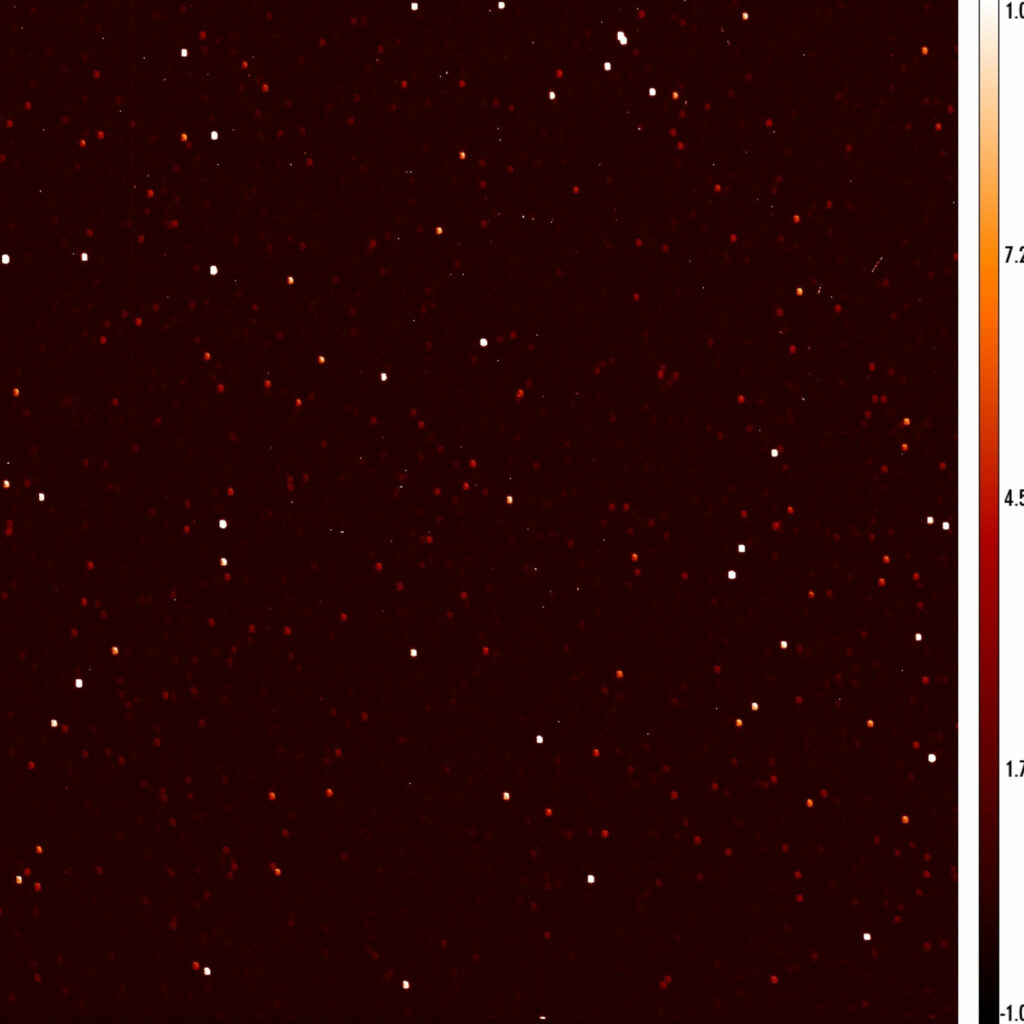
COROT was equipped with a highly sensitive telescope designed to observe stars that are faint or invisible to the naked eye but rich in astrophysical phenomena. Its initial observations, often referred to as the “first light,” revealed a region of space teeming with stellar activity and complexity. This capability allowed astronomers to gather precise photometric data, which was crucial for advancing the study of stellar interiors and exoplanet detection.
Asteroseismology: Probing Stellar Interiors
Asteroseismology, the study of star oscillations, was a primary focus of COROT. By monitoring subtle variations in a star’s brightness caused by internal pulsations, scientists could infer the star’s internal structure and composition. This method is analogous to medical ultrasounds, providing a non-invasive way to explore the hidden anatomy of stars. The data from COROT significantly enhanced our understanding of stellar life cycles and the physical processes occurring within stars.
Exoplanet Detection via Transit Method
The transit method involves detecting the slight dimming of a star’s light when a planet crosses its face from the observer’s viewpoint. COROT’s precise photometric measurements enabled the identification of numerous exoplanet candidates, many located within their stars’ habitable zones where conditions might support life. This breakthrough fueled excitement about the possibility of extraterrestrial life and expanded the scope of planetary science.
How COROT’s Observations Impacted Astronomy
The data collected by COROT revolutionized the fields of stellar physics and exoplanetary science. The mission’s ability to deliver high-precision brightness measurements allowed researchers to refine models of stellar interiors and better understand the mechanisms driving star behavior. Simultaneously, the discovery of new exoplanets broadened the horizons of planetary research and stimulated philosophical and scientific discussions about life beyond Earth.
Legacy and Influence on Future Missions
COROT’s pioneering work laid the groundwork for subsequent space-based observatories such as NASA’s Kepler and TESS missions. These later projects built upon COROT’s methodologies and data analysis techniques to further enhance the search for exoplanets and the study of stellar oscillations. The mission’s contributions continue to shape the strategies and technologies employed in contemporary astrophysical research.
Philosophical and Cultural Significance
Beyond its scientific achievements, COROT’s mission resonates with a deeper human curiosity about our origins and place in the universe. The exploration of distant stars and planets touches on existential questions that intersect with philosophy, physics, and the arts. The images and data captured by COROT evoke a sense of wonder and inspire reflection on the vastness and beauty of the cosmos.
Why COROT’s First Light Matters
The initial observations from COROT marked a transformative moment in astrophysics, symbolizing humanity’s relentless pursuit of knowledge about the universe. Each stellar oscillation recorded and every exoplanet detected contributes to a broader cosmic narrative that connects us to the stars. COROT’s first light not only expanded empirical understanding but also enriched cultural and intellectual dialogues about the cosmos and our role within it.
Summary
In essence, the COROT mission’s first light represents a critical advancement in space science, combining technological innovation with profound scientific inquiry. Its dual focus on asteroseismology and exoplanet detection has deepened our grasp of stellar phenomena and planetary systems, while also inspiring ongoing exploration and discovery. As future missions continue to build on COROT’s legacy, the quest to unravel the mysteries of the universe remains a central endeavor of human curiosity and ingenuity.
FAQ
What is the COROT mission?
COROT was a space telescope launched in December 2006 to study stellar oscillations and detect exoplanets using the transit method.
Why is COROT's first light significant?
COROT's first light marked the beginning of precise stellar photometry from space, enabling breakthroughs in understanding star interiors and discovering exoplanets.
What is asteroseismology?
Asteroseismology is the study of star oscillations to learn about their internal structure, similar to how ultrasound reveals anatomy in living organisms.
How did COROT contribute to exoplanet research?
COROT used the transit method to detect planets by measuring star brightness dips, identifying many candidates including those in habitable zones.
What missions followed COROT?
Following COROT, missions like Kepler and TESS built upon its methods and data to advance exoplanet discovery and stellar study.



Leave a Reply