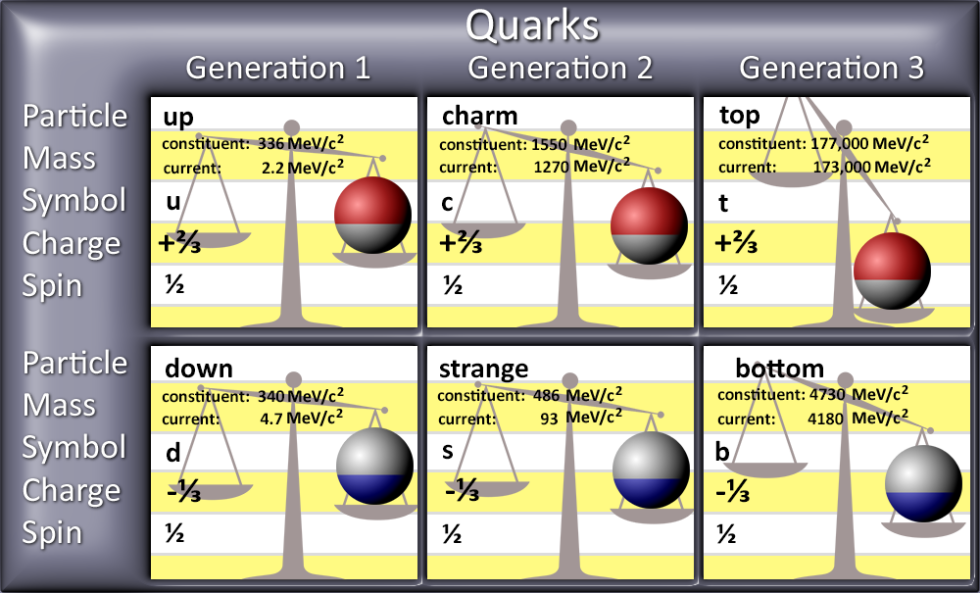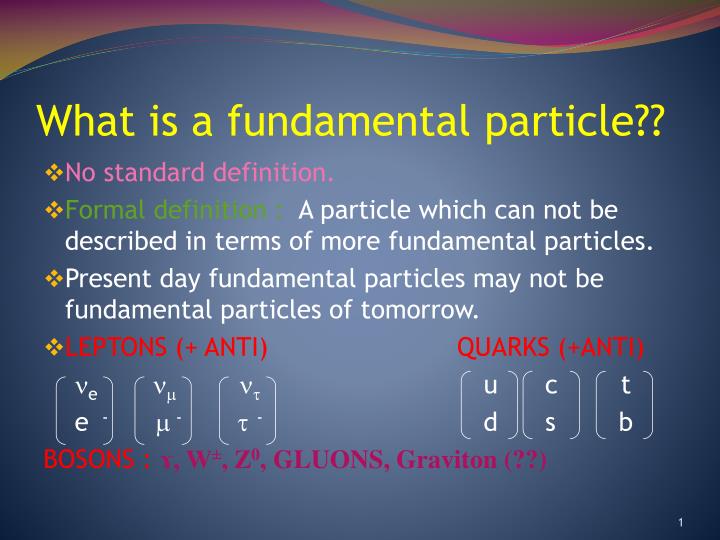
Is there any building block smaller than quarks and electron?

Understanding Fundamental Particles At the core of particle physics lies a complex network of elementary particles that form the foundation of all matter. Among these, quarks and electrons are recognized as the primary constituents. However, the quest to determine if there exist even more elementary entities beneath these particles has driven physicists to explore beyond […]

Read More →

Weighing the Antiproton: Precision at the Edge of Matter

Understanding Antimatter and the Antiproton Antimatter, a fascinating subject bridging theoretical physics and experimental research, has intrigued both scientists and the general public. Among its various components, the antiproton stands out as the antimatter equivalent of the proton. This particle holds significant importance due to its energetic properties and its role in probing the fundamental […]

Read More →

Antineutrinos: The Nuclear Watchdogs You Never See

Definition of Antineutrinos Antineutrinos are subatomic particles that serve as the antimatter counterparts to neutrinos. Characterized by their extremely weak interaction with matter, they carry no electric charge and possess an almost negligible mass. These elusive particles are primarily generated through neutron beta decay, a process in which a neutron transforms into a proton, emitting […]

Read More →

What makes a missile a “nuke” or are all missiles “nukes”?

Definition of Missiles and Nuclear Weapons At the crossroads of military technology and scientific advancement lies a critical question: what fundamentally differentiates a missile from a nuclear weapon? Understanding this distinction requires a detailed examination of missile technology, the nature of nuclear arms, and the key factors that separate these two powerful entities. What is […]

Read More →

What’s the salary of a Nuclear Physicist?

Definition of Nuclear Physicist Salary The remuneration of a nuclear physicist refers to the financial compensation awarded to professionals specializing in the study of atomic nuclei, nuclear reactions, and related phenomena. This salary reflects the value placed on their expertise, education, and contributions within various sectors such as academia, government, and industry. Key Factors Influencing […]

Read More →

Why is an atom an indivisible particle?

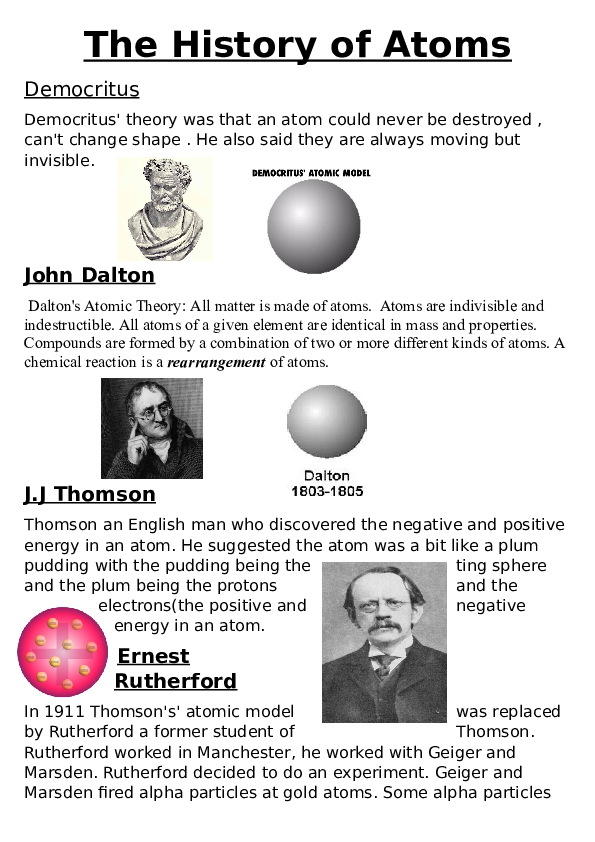
Definition of the Atom and Its Indivisibility The atom has long been considered the fundamental unit of matter, traditionally viewed as indivisible. This concept, however, is far more nuanced than a simple label suggests. The term “atom” originates from the ancient Greek word “atomos,” meaning “uncuttable” or “indivisible,” reflecting early philosophical ideas about the smallest […]

Read More →

What are the subatomic particles in the nucleus?

Understanding Atomic Nuclei: An Overview The atom, the fundamental building block of matter, harbors a dense core known as the nucleus. This nucleus contains subatomic particles-protons and neutrons-that are essential in defining the properties and stability of elements. Exploring these particles reveals the intricate forces and structures that govern the very fabric of matter. Definition […]

Read More →

CERN Names Next Director General: Who Will Guide the Collider?

Overview of CERN’s Leadership Transition The recent announcement regarding the appointment of the new Director General at CERN has sparked widespread interest within the global scientific community. This leadership role extends far beyond administrative duties, serving as a critical driver for the future of particle physics research. As the overseer of the Large Hadron Collider […]

Read More →

How does particle physics explain fundamental forces?

Definition of Fundamental Forces in Particle Physics Particle physics explores the fundamental interactions that govern the behavior of the universe at its most basic level. These interactions, known as the four fundamental forces, are the essential mechanisms that dictate how particles interact, combine, and transform. They form the foundation of all physical phenomena, from the […]

Read More →