What is the importance of nuclear physics?

Nuclear physics, the study of atomic nuclei and their interactions, significantly influences both our understanding of the universe and the practical applications that govern modern society. But could you imagine a world devoid of nuclear physics? How different would our advancements in energy, medicine, and technology be? This query not only provokes thought but also […]

Read More →

How does the LHC accelerate particles?

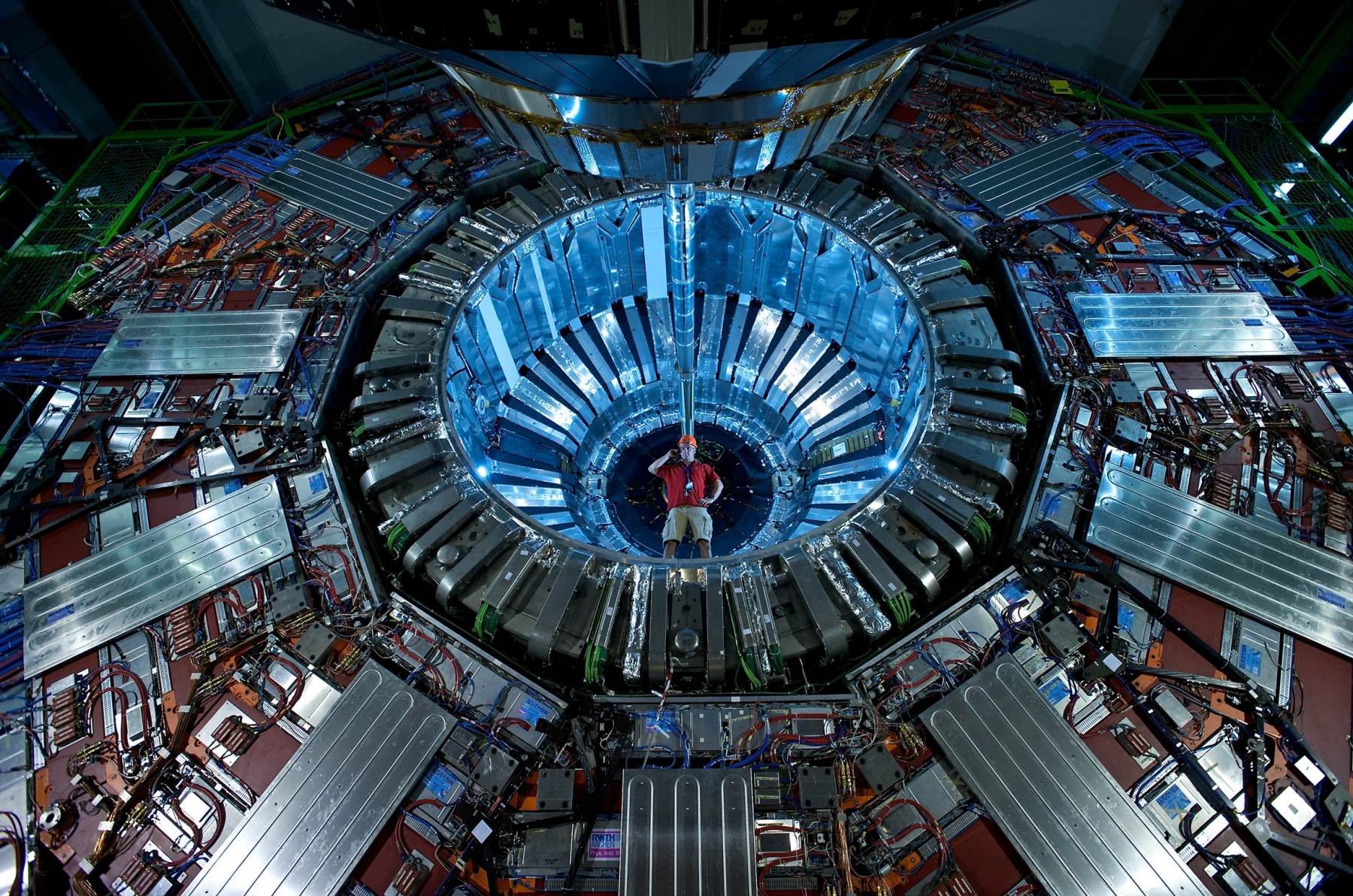
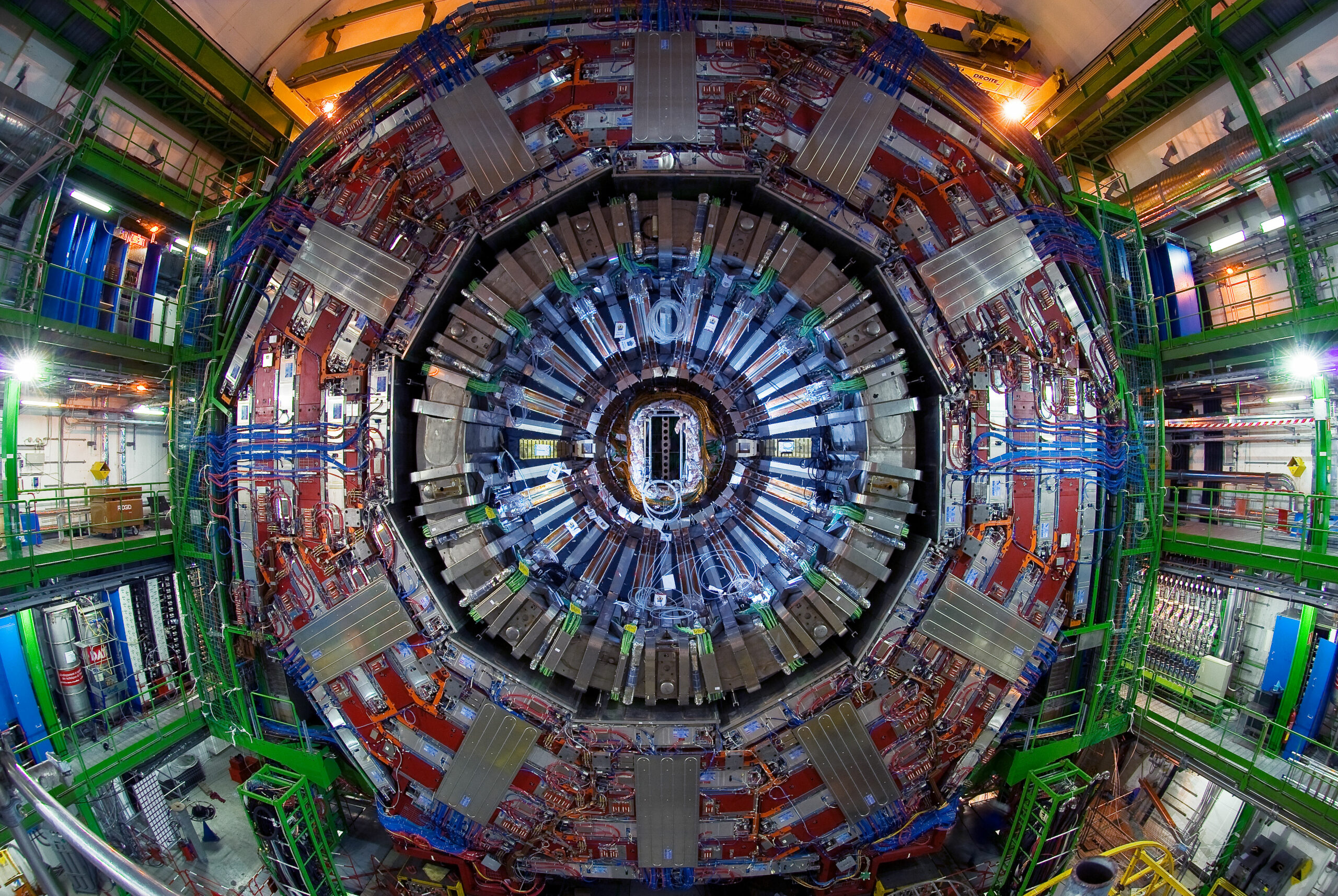
The Large Hadron Collider (LHC), an extraordinary feat of engineering and scientific innovation, stands at the forefront of particle physics research. Located near Geneva, Switzerland, this colossal particle accelerator is an intricate marvel designed to propel subatomic particles to unprecedented velocities. Specifically, it accelerates protons and heavy ions, enabling physicists to investigate the fundamental mechanisms […]

Read More →

Carbon Nucleus Caught Spinning in a Perfect Triangle

Carbon, a quintessential element within the tapestry of life, has fascinated scientists for centuries. This fascination has only grown with innovative methods unveiling its enigmatic properties. In a groundbreaking study, researchers have captured the elusive carbon nucleus in an extraordinary state: spinning in a perfect triangle. This unusual phenomenon offers a fascinating lens through which […]

Read More →

Can you explain a neutrino?

Neutrinos, enigmatic subatomic particles that saturate our universe, have garnered fascination and extensive study since their theoretical inception in 1930 by Wolfgang Pauli. These particles are distinguished by their elusive nature and their fundamental role in the workings of the universe. Specifically, neutrinos are classified as leptons and possess no electric charge, which renders them […]

Read More →

What if one of the CERN projects goes wrong?

The European Organization for Nuclear Research, commonly known as CERN, stands as a bastion of scientific exploration. Within its sprawling facilities, researchers probe the very fabric of the universe through experiments that challenge our conventional understanding of physics. However, as we delve into the realm of cutting-edge research, it is imperative to consider the ramifications […]

Read More →

Why are alpha particles used in the Rutherford experiment?

The Rutherford experiment, formally known as the gold foil experiment, is a pivotal study in the field of atomic physics that elucidated the structure of the atom. Central to this experiment is the use of alpha particles—helium nuclei expelled from radioactive elements. This article delineates the rationale for employing alpha particles, elucidating their properties and […]

Read More →

Do they allow common people to enter nuclear reactors?

In the realm of nuclear science, the very notion of public access to nuclear reactors stirs a complex dialogue rife with implications for safety, transparency, and education. The question transcends mere curiosity; it invokes an exploration of societal trust in nuclear energy, the inherent risks associated, and the potential for communal engagement in scientific discourse. […]

Read More →

Why is the mass of the Higgs boson important?

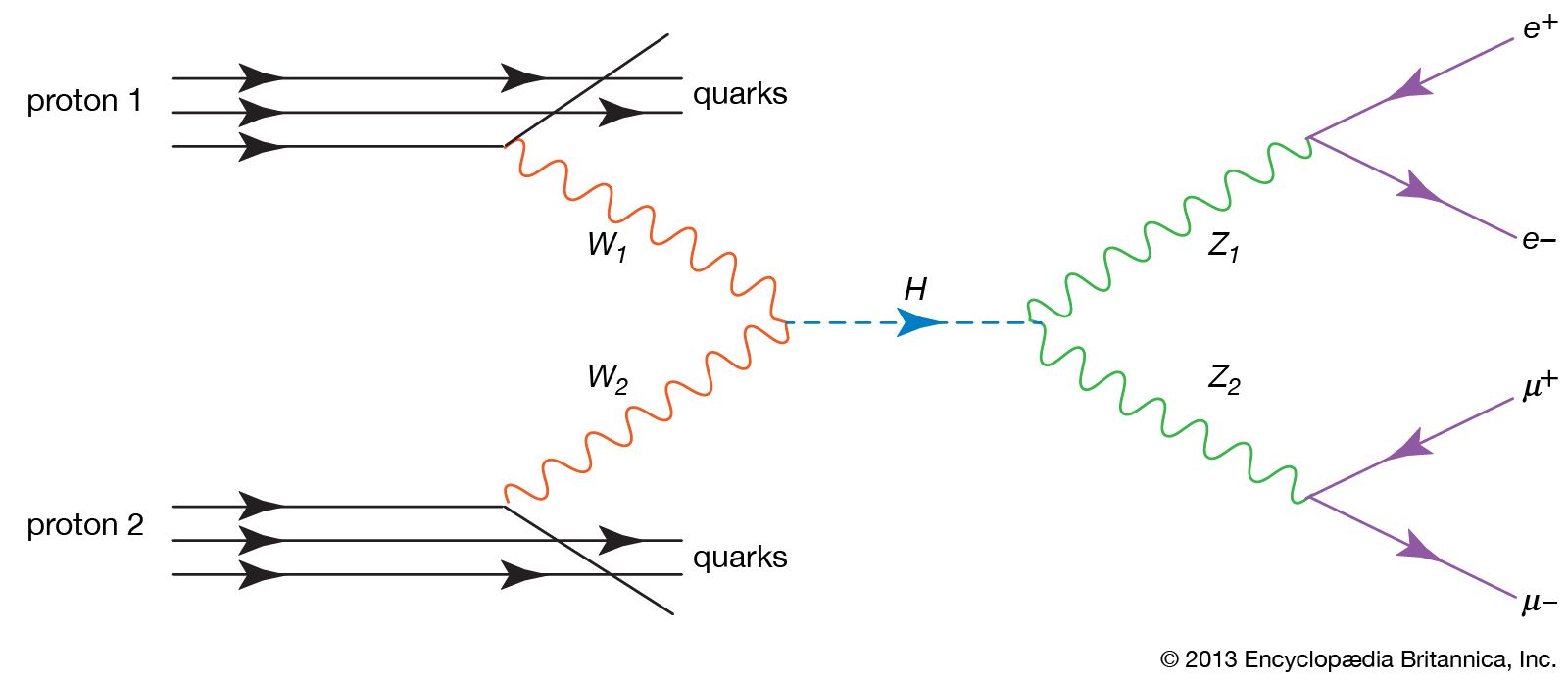
The mass of the Higgs boson occupies a pivotal position within the framework of modern particle physics. Discovered in 2012 at the Large Hadron Collider (LHC) at CERN, this elusive particle was a cornerstone of the Standard Model, signifying the mechanism by which particles acquire mass. Understanding the significance of the Higgs boson’s mass not […]

Read More →