
Short Answer
Definition of Graphene
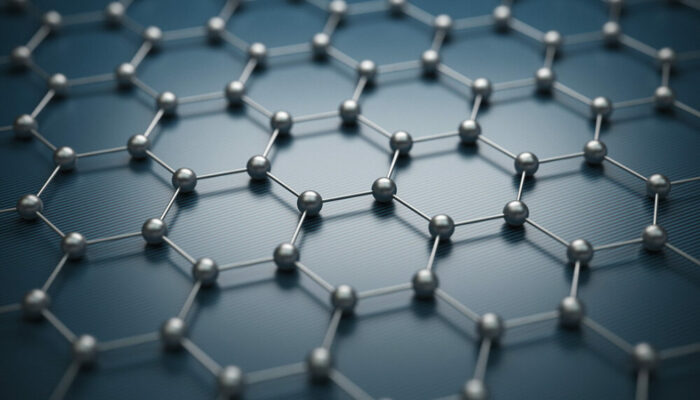
Graphene is a single atomic layer of carbon atoms arranged in a two-dimensional honeycomb lattice. Since its isolation in 2004, this material has attracted significant attention due to its exceptional physical and chemical properties. As a one-atom-thick sheet of carbon, graphene represents the thinnest and one of the strongest known materials, sparking widespread interest across multiple scientific and industrial fields.
Fundamental Properties of Graphene
Graphene exhibits a unique combination of properties that distinguish it from other materials:
- Electrical Conductivity:
Graphene allows electrons to move with minimal resistance, making it an outstanding conductor that could revolutionize electronic devices. - Mechanical Strength:
Despite its thinness, graphene is approximately 200 times stronger than steel, while remaining lightweight and flexible. - Thermal Conductivity:
It surpasses all known materials in conducting heat, offering promising applications in thermal management systems.
Graphene in Electronics
The electronics industry is one of the most promising sectors for graphene integration. The demand for smaller, faster, and more energy-efficient devices drives the search for materials that outperform traditional silicon. Graphene’s exceptional charge carrier mobility makes it a strong candidate for next-generation transistors, field-effect devices, and integrated circuits. These graphene-based components could potentially reduce power consumption and enhance device performance significantly.
However, several obstacles remain before graphene can be widely adopted in electronics. Challenges include scalable manufacturing processes, compatibility with existing semiconductor technologies, and ensuring long-term device reliability. These factors currently limit the immediate commercialization of graphene-based electronic components.
Applications in Energy Storage and Conversion
Graphene’s role in energy technologies is gaining momentum, particularly in batteries, supercapacitors, and fuel cells. By enhancing electron and ion transport, graphene can improve energy density and accelerate charge/discharge rates. This could lead to batteries that recharge rapidly and maintain longer lifespans compared to conventional alternatives.
Despite promising laboratory results, most graphene-enhanced energy devices are still in early development stages. Bridging the gap between experimental success and commercial viability remains a significant challenge, requiring further research and optimization.
Graphene in Advanced Materials and Composites
In materials science, graphene is viewed as a transformative additive for composites. When combined with polymers, metals, or ceramics, graphene can impart superior strength-to-weight ratios, enhanced electrical and thermal conductivity, and increased durability. These improvements have potential applications in aerospace, automotive, construction, and other industries.
Nevertheless, the economic feasibility of producing graphene composites at scale and ensuring consistent performance under real-world conditions are ongoing concerns. Researchers continue to explore cost-effective methods and practical applications to overcome these limitations.
Biomedical Potential of Graphene
Graphene’s nanoscale size and biocompatibility make it a versatile platform for biomedical applications such as drug delivery, biosensing, and medical imaging. Engineered graphene materials can target specific cells or tissues, offering new possibilities for treating cancer, neurological disorders, and other diseases.
However, safety and environmental impact remain critical issues. The long-term biological effects and ecological consequences of graphene-based materials require comprehensive study to ensure safe implementation in healthcare.
Environmental and Sustainability Considerations
The production of graphene involves chemical processes that may pose environmental risks if not properly controlled. Potential pollution and resource consumption during manufacturing raise important questions about the sustainability of large-scale graphene use.
Addressing these environmental challenges is essential to ensure that graphene’s integration into future technologies does not come at the expense of ecological health.
Evaluating the Hype: Realistic Perspectives on Graphene
Graphene is often hailed as a “wonder material” due to its extraordinary properties and broad potential applications. However, the reality is more complex. While its capabilities are impressive, significant technical, economic, and environmental challenges must be overcome before graphene can fulfill its promise.
The discourse surrounding graphene highlights the unpredictable nature of scientific innovation, where initial excitement must be balanced with critical evaluation and pragmatic development strategies.
Conclusion: The Future of Graphene
Graphene embodies a revolutionary potential that could reshape various technological landscapes. Yet, its journey from laboratory discovery to widespread industrial use is fraught with challenges. A balanced approach-combining rigorous research, open-minded exploration, and responsible environmental management-is crucial to realizing graphene’s full benefits.
Ultimately, whether graphene becomes a ubiquitous and transformative material depends on overcoming production hurdles, ensuring safety, and demonstrating clear advantages over existing technologies.
FAQ
What is graphene?
Graphene is a single atomic layer of carbon atoms arranged in a two-dimensional honeycomb lattice, known for its exceptional electrical, mechanical, and thermal properties.
Why is graphene considered a 'wonder material'?
Due to its extraordinary strength, electrical conductivity, and thermal properties, graphene has potential applications in electronics, energy storage, composites, and biomedicine.
What are the main challenges in commercializing graphene?
Challenges include scalable manufacturing, compatibility with existing technologies, economic feasibility, safety, environmental impacts, and long-term reliability.
How is graphene used in energy storage devices?
Graphene enhances electron and ion transport in batteries and supercapacitors, potentially improving energy density and charge/discharge rates.
Are there environmental concerns related to graphene production?
Yes, the chemical processes involved in graphene production may pose pollution risks and resource consumption challenges, necessitating sustainable manufacturing practices.






Leave a Reply