
Short Answer
Definition of Graphene and Diamond Hardness
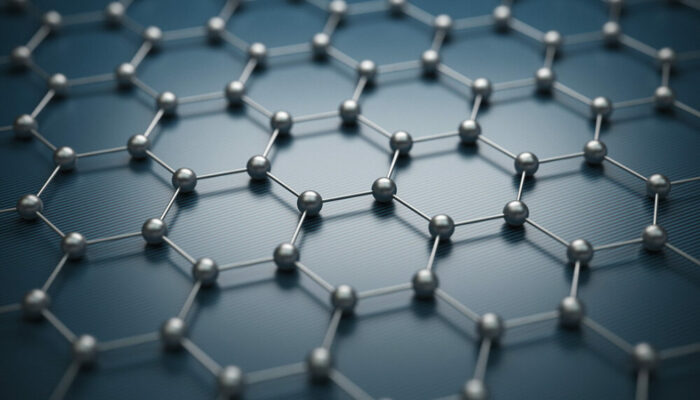
Graphene is a single atomic layer of carbon atoms arranged in a two-dimensional hexagonal lattice, renowned for its remarkable physical properties. Diamond, on the other hand, is a three-dimensional crystal of carbon atoms bonded in a tetrahedral structure, historically recognized as the hardest natural material. The concept of hardness refers to a material’s resistance to permanent deformation, such as scratching or indentation, and is influenced by atomic bonding, lattice structure, and mechanical behavior.
- Graphene:
A one-atom-thick sheet of carbon atoms arranged in a honeycomb pattern, exhibiting exceptional strength and flexibility. - Diamond:
A crystalline form of carbon with a rigid tetrahedral lattice, known for its extreme hardness and durability. - Hardness:
The ability of a material to resist deformation, often measured by scales such as Mohs or Vickers hardness tests.
Understanding Hardness: Beyond Surface Resistance
Hardness is commonly perceived as a material’s ability to resist scratches or indentations, but it encompasses more complex mechanical properties. It is not an intrinsic, standalone attribute but depends on factors such as elasticity, tensile strength, and how stress is distributed within the material’s structure. For example, diamond scores a perfect 10 on the Mohs scale due to its rigid lattice, but this rigidity can also make it prone to brittle fracture under certain conditions.
Mechanical Properties of Graphene
Graphene’s unique two-dimensional structure imparts extraordinary mechanical characteristics. Its carbon atoms are bonded through sp2 hybridization, creating strong covalent bonds that provide both high tensile strength and flexibility. Graphene can withstand tensile stresses up to approximately 200 gigapascals, surpassing many conventional materials including steel. This strength is coupled with the ability to redistribute applied forces efficiently across its lattice, reducing localized weaknesses and enhancing durability at the nanoscale.
Stress Distribution and Flexibility
Unlike diamond’s rigid three-dimensional lattice, graphene’s planar structure allows it to flex and deform elastically under strain. It can endure up to 25% strain before failure, a level of deformation that diamond cannot tolerate without fracturing. This flexibility contributes to graphene’s toughness, which is the capacity to absorb energy and deform plastically without breaking.
Toughness Versus Hardness: A Critical Distinction
While hardness measures resistance to surface deformation, toughness reflects a material’s ability to absorb energy and resist fracture. Graphene’s combination of high intrinsic strength and remarkable elasticity makes it not only hard but also tough, enabling it to maintain structural integrity under mechanical stress. This duality positions graphene as a superior material in applications where both hardness and resilience are essential.
Applications and Technological Implications
The exceptional mechanical properties of graphene open avenues for transformative advancements across multiple industries:
- Nanotechnology:
Graphene-based composites can surpass traditional materials in strength and weight, enabling innovations in aerospace, automotive, and electronics. - Biomedical Engineering:
Due to its biocompatibility and mechanical robustness, graphene is a promising candidate for prosthetics, implants, and tissue scaffolding. - Material Science:
Graphene-infused polymers and coatings can be engineered for enhanced durability and flexibility, expanding the range of functional materials.
Enhancing Graphene’s Properties Through Chemical Modification
Ongoing research focuses on optimizing graphene’s mechanical and functional characteristics via chemical treatments such as doping or oxidation. These modifications can tailor hardness, conductivity, and other properties to meet specific application requirements, facilitating the development of customized materials with balanced performance metrics.
Common Misconceptions About Graphene and Diamond Hardness
Graphene is universally harder than diamond.
Hardness depends on context and measurement methods; graphene excels in tensile strength and flexibility, but diamond remains superior in resistance to indentation.
Hardness alone determines material superiority.
Toughness, elasticity, and fracture resistance are equally important for practical applications.
Why Understanding Graphene’s Hardness Matters
Reevaluating hardness through the lens of graphene’s properties challenges traditional material paradigms and expands the scientific understanding of strength and durability. This knowledge is crucial for advancing material science, enabling the design of next-generation composites and devices that leverage graphene’s unique combination of hardness and flexibility. The potential impact spans from industrial manufacturing to biomedical innovations, underscoring graphene’s role as a pivotal material in future technologies.
FAQ
What defines hardness in materials?
Hardness is generally defined as resistance to deformation, particularly permanent deformation, and can be measured by scales such as Mohs or Vickers hardness tests.
Why is graphene considered tougher than diamond?
Graphene's flexibility and ability to absorb energy without fracturing give it greater toughness compared to diamond's rigid but brittle lattice.
Are there practical applications of graphene's hardness?
Yes, including lightweight composites, flexible electronics, biomedical implants, and nanotechnology materials requiring both strength and durability.






Leave a Reply