At what thickness is a piece of material considered quasi-2D?

The exploration of two-dimensional (2D) materials has captivated scientists across a multitude of disciplines, offering unique properties that are not only intriguing but also potentially transformative in various applications. To comprehend the significance of 2D materials, it is essential to delineate what constitutes quasi-2D materials and the threshold at which a piece of material transitions […]

Read More →

What are the uses and technology benefits of graphene?

Graphene, a remarkable allotrope of carbon, serves as a quintessential example of how materials science can revolutionize various technological domains. Discovered in 2004, graphene consists of a single layer of carbon atoms arranged in a two-dimensional honeycomb lattice. Its unique properties—extraordinary electrical conductivity, thermal efficiency, mechanical strength, and flexibility—present a plethora of uses across numerous […]

Read More →

Could there be a material stronger than carbyne?

The exploration of novel materials that exhibit extraordinary physical properties has been a hallmark of modern materials science. Among such compounds, carbyne has garnered considerable attention due to its remarkable characteristics. Promoted as a contender for the title of the strongest material known, carbyne presents an intriguing topic for discussion: could there exist a material […]

Read More →

What is the definition of 2D drawing?

In the realm of visual representation, the definition of 2D drawing stands as a cornerstone that transcends mere illustration; it serves as a bridge between conceptualization and realization. But what exactly constitutes a 2D drawing? Is it merely the act of rendering shapes on a flat surface, or does it delve deeper into the complex […]

Read More →

What are 2D (two dimensional) materials?

What if you could reduce a material to just a single layer, unlocking a myriad of phenomena previously unimaginable? This is the tantalizing realm of two-dimensional (2D) materials, a fascinating category of substances that has revolutionized various fields including physics, materials science, and engineering. But what exactly constitutes these exotic materials, and what potential challenges […]

Read More →

Is graphene over-hyped?

Graphene, a burgeoning contender in the realm of materials science, has captivated the imagination of researchers, innovators, and industries alike. Possessing remarkable properties such as exceptional electrical conductivity, mechanical strength, and thermal conductivity, graphene has been heralded as a transformative material promising to revolutionize a multitude of sectors, from electronics to biomedical applications. Amidst the […]

Read More →

2D materials can be relatively expensive for several reasons?

In the ever-evolving landscape of materials science, two-dimensional (2D) materials stand as a testament to the boundless ingenuity of human invention. These materials, characterized by their atom-thin structures, have garnered significant attention for their extraordinary properties, leading to applications that extend from electronics to energy storage. However, the journey toward their commercialization is often fraught […]

Read More →

What is graphene and its properties?

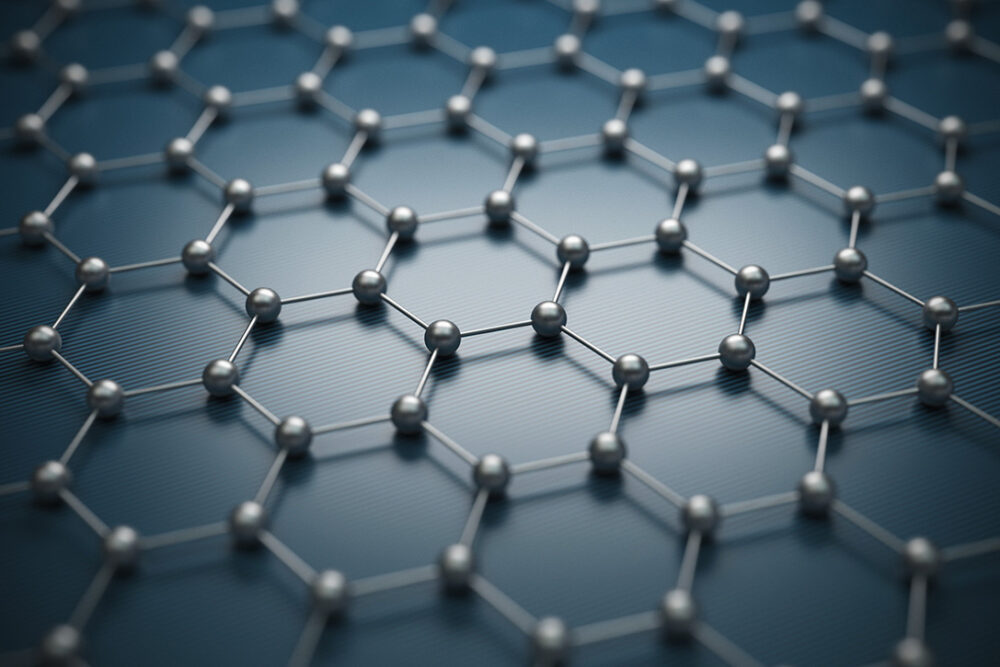
Graphene, a monolayer of carbon atoms arranged in a two-dimensional honeycomb lattice, has garnered significant attention in the realms of materials science and condensed matter physics due to its unique properties and potential applications. This intriguing material has prompted a myriad of research endeavors aimed at unlocking its capabilities and understanding its underlying principles. The […]

Read More →

Boron Nitride Membranes Ceramic – Boride Powder?

Boron nitride (BN) membranes have garnered significant attention in contemporary materials science due to their remarkable properties and diverse applications. These materials, often described as “white graphite,” exhibit unique characteristics that differentiate them from traditional boride powders. Notably, this discourse delves into the synthesis, structural attributes, and the multifaceted applications of boron nitride membranes, culminating […]

Read More →

Is a light microscope 2D or 3D?

When one peers into the ocular lens of a light microscope, the initial delight often begets an intriguing question: does this instrument unveil a two-dimensional (2D) image of the specimen, or does it immerse the observer in a lavish three-dimensional (3D) representation? The answer to this inquiry is not merely academic; it beckons from the […]

Read More →