How can learning MATLAB benefit a Materials Engineer?

In the multifaceted realm of engineering, where the intrinsic properties of materials define the very backbone of innovative design, proficiency in computational tools is not merely advantageous; it is essential. Among the cadre of software available to today’s materials engineer, MATLAB stands out as a veritable Swiss Army knife—versatile, powerful, and indispensable. This discourse elucidates […]

Read More →

What bullets not made of matter?

The phenomenon of bullets not made of matter can be both captivating and perplexing, eliciting curiosity about the nature of bullets and their interaction with the world around them. When one contemplates traditional bullets, images of solid, tangible projectiles come to mind, typically made from lead or other dense materials. However, the concept of bullets […]

Read More →

Why don’t we hear about carbon nanotubes anymore?

Carbon nanotubes (CNTs) have garnered considerable attention in the scientific community since their discovery in the early 1990s. Their unique structural attributes—characterized by cylindrical nanostructures composed solely of carbon atoms—lend themselves to exceptional properties such as extraordinary tensile strength, electrical conductivity, and thermal conductivity. However, in recent years, the pervasiveness of discourse surrounding carbon nanotubes […]

Read More →

How much force does it take to break graphene?

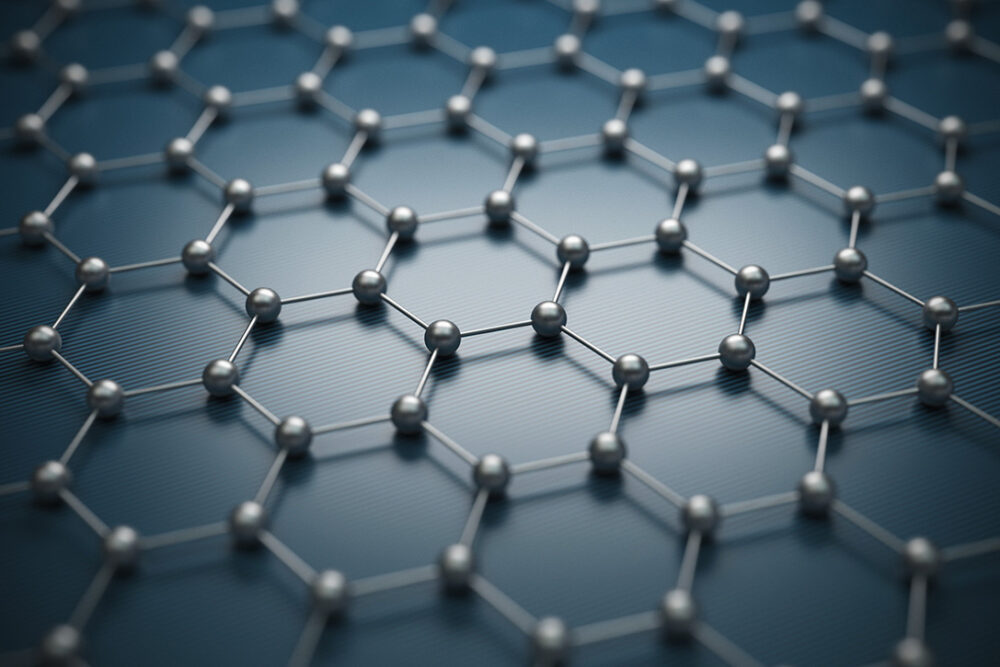
Graphene, a remarkable allotrope of carbon characterized by a two-dimensional hexagonal lattice, has captured the imagination of scientists and engineers due to its exceptional mechanical properties and potential applications in various fields, from electronics to nanotechnology. One inquiry that frequently arises in discussions surrounding this material is, “How much force is required to break graphene?” […]

Read More →

How is graphene made from graphite?

Graphene, often heralded as a “wonder material,” exhibits exceptional electrical, thermal, and mechanical properties that have attracted extensive research and commercial interest. Understanding how graphene is synthesized from its parent material, graphite, reveals not only the intricacies of material science but also underscores the potential transformative applications of nanomaterials. This exploration will delve into the […]

Read More →

How does 2D/3D cartoon animation work?

Animation is akin to the modern sorcery of the visual arts. It conjures moving images from static drawings, breathing life into characters that dance across screens, whether in two-dimensional or three-dimensional manifestations. Understanding the intricacies of 2D and 3D animation requires a dive into its foundational principles, techniques, and the unique allure that captivates audiences […]

Read More →

Are the properties of graphene a myth?

Graphene, a single layer of carbon atoms arranged in a two-dimensional honeycomb lattice, has garnered significant attention for its extraordinary properties. However, amidst the awe-inspiring claims surrounding its capabilities, a critical examination is necessary: Are the properties of graphene merely a myth? This discourse will traverse the multifaceted aspects of graphene, scrutinizing its exuberant attributes […]

Read More →

Is LPU really a good university for a designing course?

The landscape of higher education has undergone a tremendous transformation, particularly in the realm of design. Various institutions have emerged, each purporting to offer cutting-edge courses that promise to sculpt adept professionals equipped for an ever-evolving industry. Among these, Lovely Professional University (LPU) in India often garners attention. The question arises: Is LPU truly a […]

Read More →

How is a hole a quasiparticle in condensed matter physics?

In the realm of condensed matter physics, the concept of a quasiparticle emerges as a remarkable abstraction. This introduces a new lens through which to elucidate complex phenomena in materials. Among these quasiparticles, the ā€œholeā€ warrants special attention. At first glance, it may seem paradoxical to treat an absence—specifically, the absence of an electron—as a […]

Read More →

What is the natural color of graphene?

Graphene, a one-atom-thick layer of carbon atoms arranged in a two-dimensional honeycomb lattice, has garnered significant interest across various scientific domains due to its remarkable physical properties and potential applications. However, the question of its natural color is intriguing and often leads to discussions surrounding its electronic structure and light absorption characteristics. Understanding the natural […]

Read More →