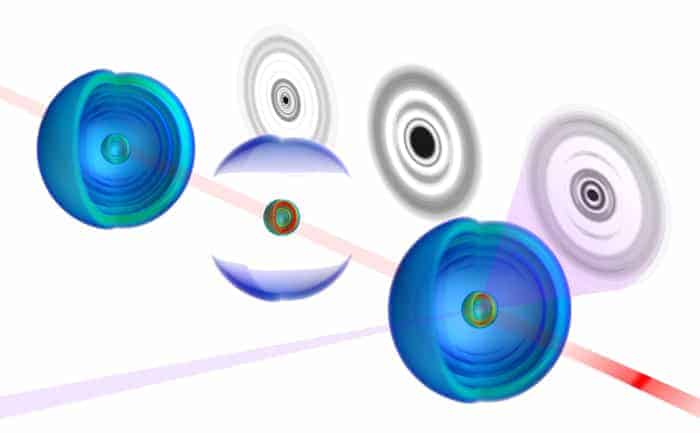
What do the molecular orbitals of isothiocyanate look like?

Definition and Structural Features of Isothiocyanates Isothiocyanates are sulfur-containing organic compounds characterized by the functional group -N=C=S. This group consists of a nitrogen atom double-bonded to a carbon atom, which is in turn double-bonded to a sulfur atom, forming a linear arrangement. The distinct linear geometry arises from the specific hybridization states of the atoms […]

Read More →

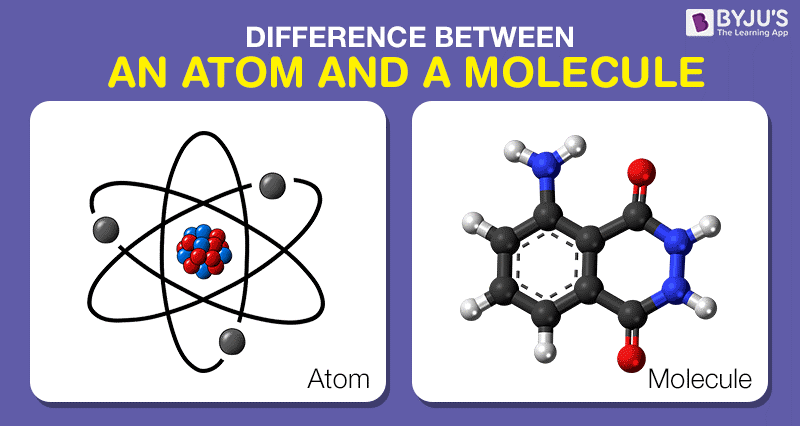
Did Dalton believe that atoms and molecules were the same?

Definition of Atoms and Molecules in Dalton’s Theory John Dalton, a seminal figure in the development of atomic theory, distinguished clearly between atoms and molecules in his scientific framework. Atoms, according to Dalton, are the indivisible, fundamental units of matter, each element consisting of identical atoms with specific masses and properties. Molecules, on the other […]

Read More →

Why does chemical bonding occur between elements?

Definition of Chemical Bonding Chemical bonding refers to the process through which atoms combine to form molecules or compounds by sharing or transferring electrons. This phenomenon is driven by the fundamental aim of atoms to reach a more stable electronic configuration, often resembling that of noble gases. The forces and principles underlying chemical bonds are […]

Read More →

What is a compound

Definition of Chemical Compounds Chemical compounds are substances formed when two or more different elements chemically combine in fixed ratios. These elements are bonded together through chemical bonds, creating a unified entity with properties distinct from the individual atoms. The bonds that hold these atoms together are primarily ionic or covalent in nature, enabling the […]

Read More →

How do particles behave when they reach absolute zero?

Definition of Absolute Zero Absolute zero represents the theoretical lowest temperature achievable, where the entropy of a perfect crystal reaches its absolute minimum. This temperature is approximately -273.15 degrees Celsius (0 Kelvin) and marks a fundamental boundary in physics. It is not merely a theoretical construct but a critical threshold where classical physics gives way […]

Read More →

How many molecular orbitals are there in O2?

Definition of Molecular Orbitals in Diatomic Oxygen Diatomic oxygen (O2) is a molecule composed of two oxygen atoms bonded together. To comprehend its molecular structure, one must examine it through the lens of molecular orbital (MO) theory. This theory explains how atomic orbitals combine to form molecular orbitals, which in turn dictate the bonding, electronic […]

Read More →

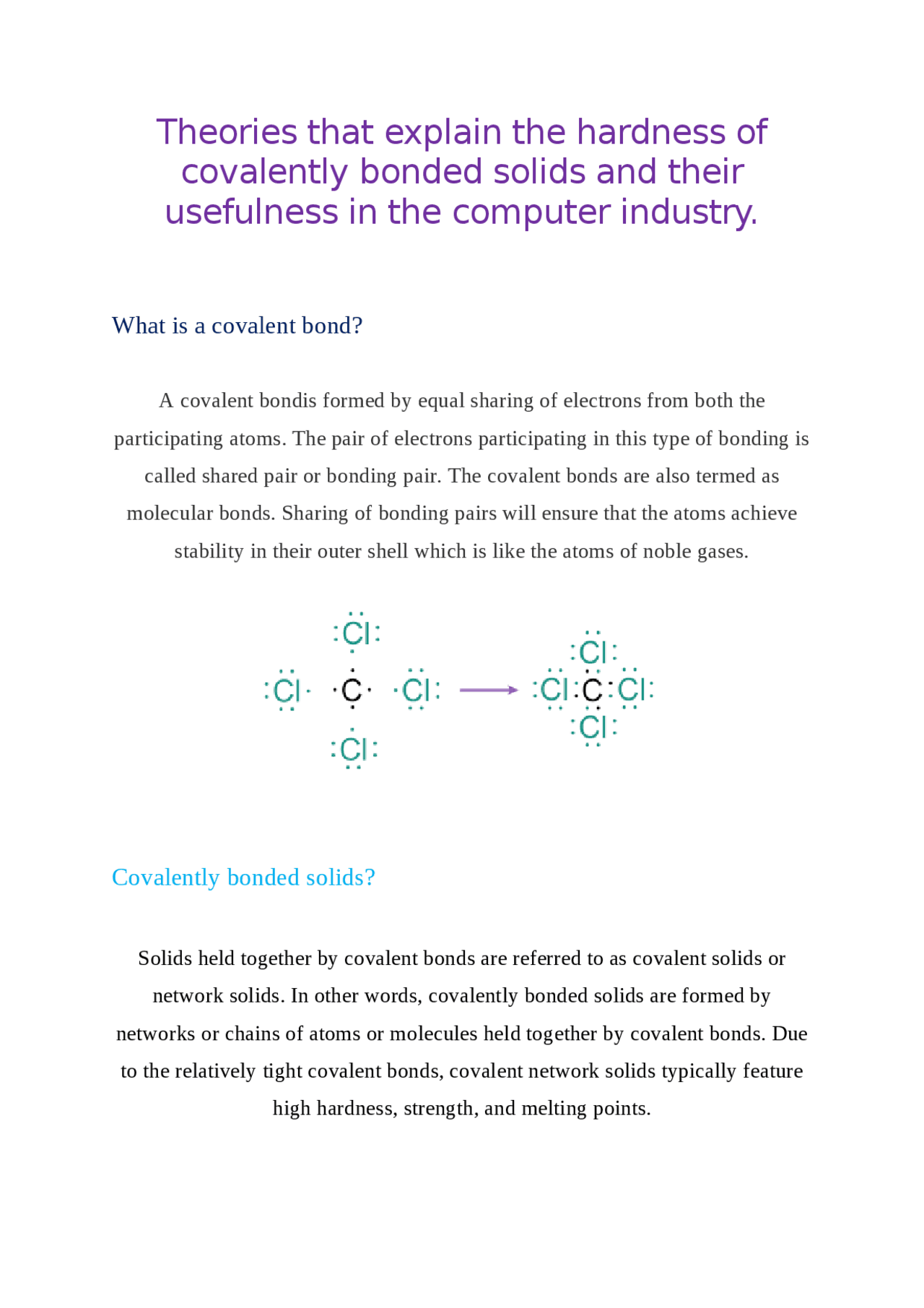
How do covalent bonds work?

Definition of Covalent Bonds Covalent bonds represent a core principle in chemistry, essential for explaining the intricate structures and interactions of molecules. These bonds arise from the sharing of electrons between atoms, creating a strong connection that forms the backbone of countless compounds vital to both living organisms and industrial applications. Fundamental Role of Electrons […]

Read More →

When will atomic clocks become a common thing?

Understanding Atomic Clocks Atomic clocks represent the pinnacle of precision in time measurement, harnessing the natural oscillations of atoms-most commonly cesium or rubidium-to maintain extraordinarily accurate timekeeping. These devices have become indispensable in various scientific and technological fields, including telecommunications, navigation, and global positioning systems (GPS). As technology advances, the prospect of atomic clocks becoming […]

Read More →

Can we reach absolute zero temperature in laboratories?

Definition of Absolute Zero Absolute zero is the theoretical temperature at which all classical molecular motion ceases, defined as 0 Kelvin (K) or -273.15 degrees Celsius (°C). It represents the lowest limit of the thermodynamic temperature scale, where entropy reaches its minimum and quantum mechanical effects dominate. This temperature is a fundamental concept in cryogenics […]

Read More →

Is it theoretically possible to have atom level powder?

Definition of Atom-Level Powder Atom-level powder refers to a material composed of particles whose size approaches the scale of individual atoms. Unlike conventional powders, which consist of aggregates of fine particles, atom-level powders are envisioned as collections of isolated atoms or atomically dispersed units. This concept challenges traditional views of material composition by pushing the […]

Read More →