What is the difference between an atom and a molecule?

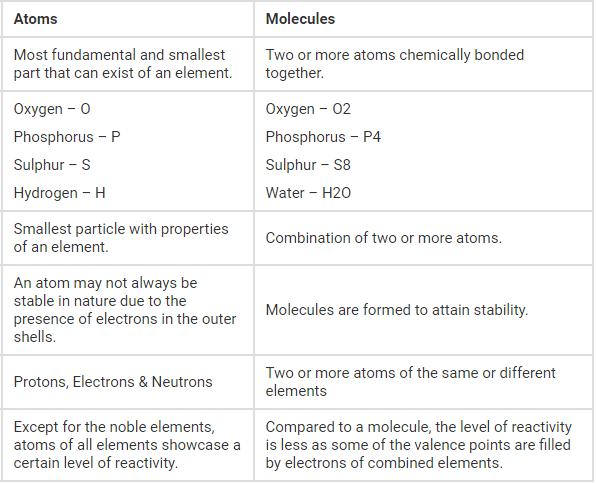
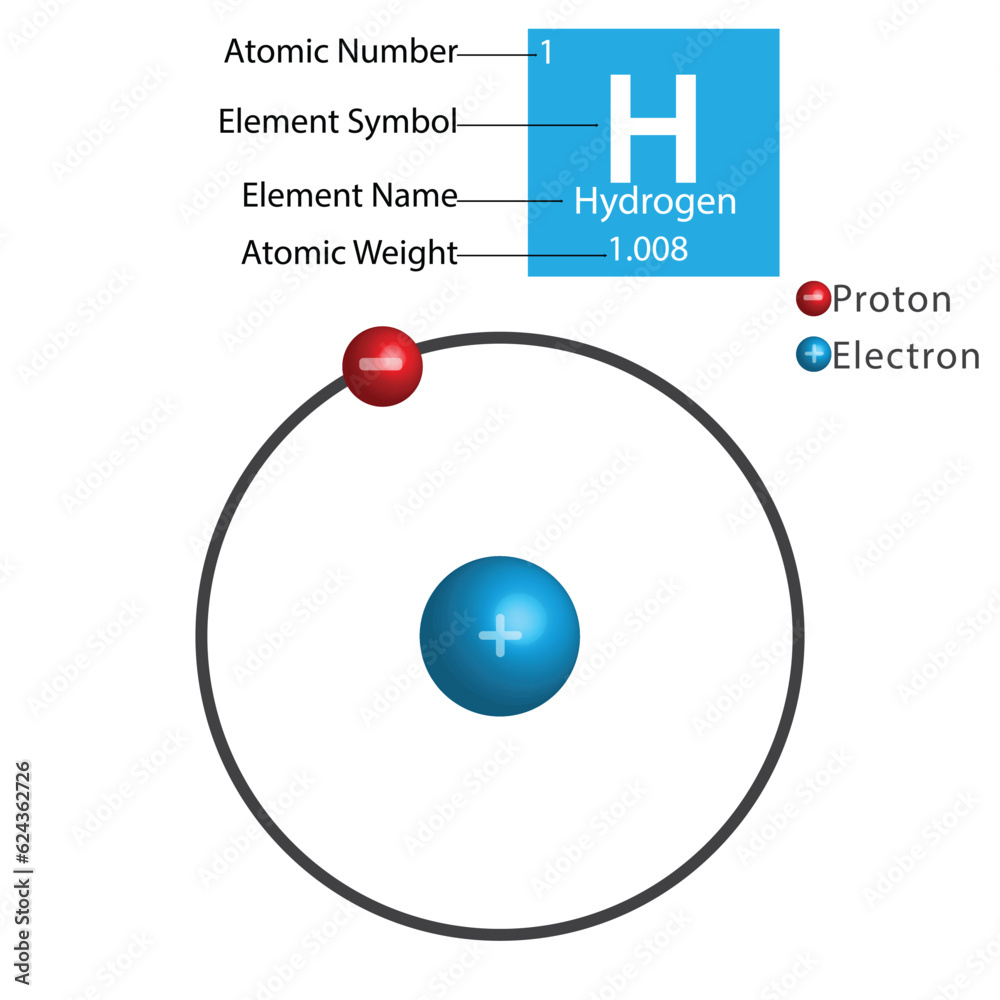
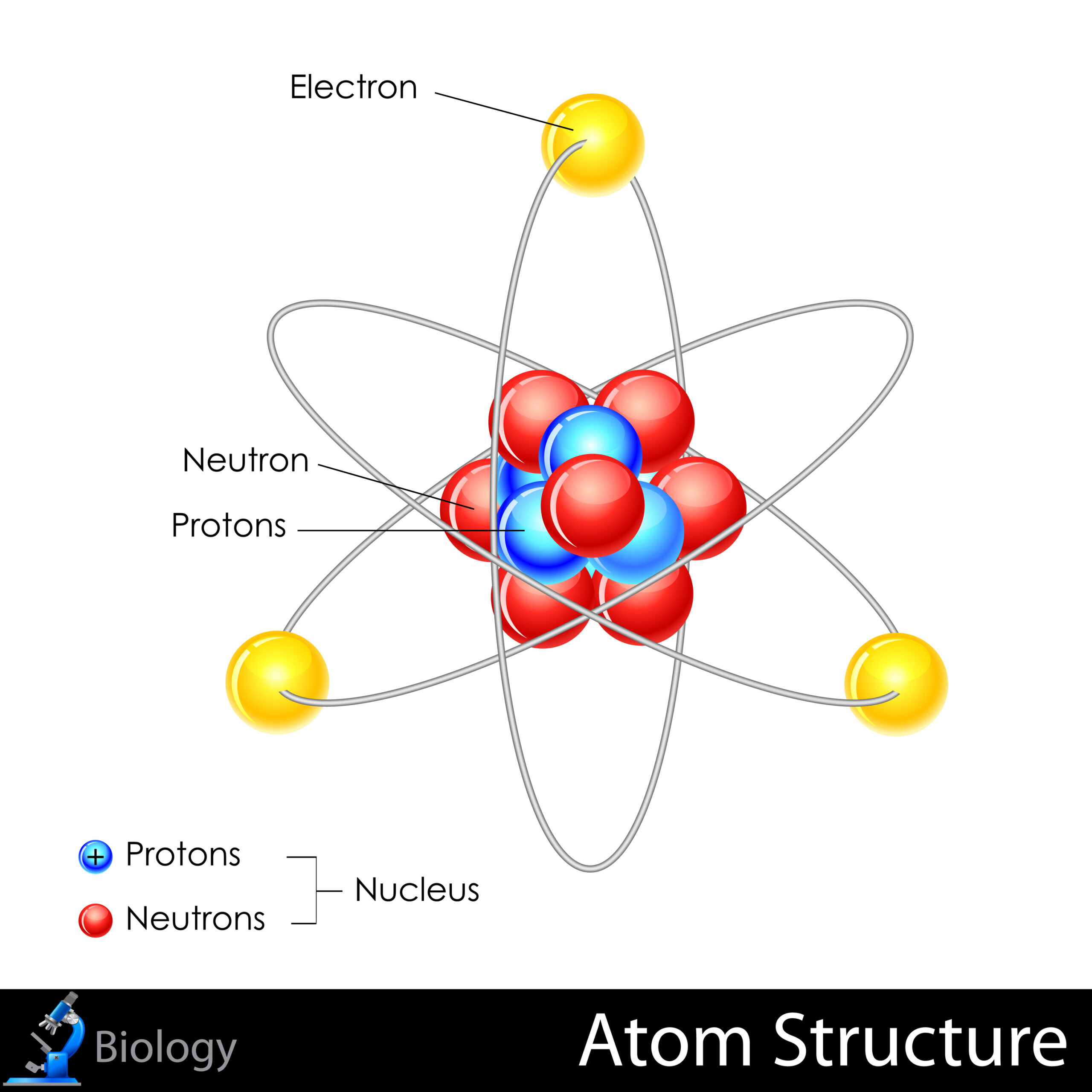
Definition of Atoms and Molecules Atoms and molecules are foundational concepts in chemistry and material science, essential for understanding the composition and behavior of matter. Atoms are the smallest units of elements that retain their chemical identity, while molecules are assemblies of two or more atoms bonded together, forming distinct chemical substances. Atom: The fundamental […]

Read More →

What is stronger: atomic forces or chemical bonds? Why?

Definition of Atomic Forces and Chemical Bonds Atomic forces and chemical bonds are essential concepts in physics and chemistry that describe the interactions governing the structure and behavior of matter. Both arise from electromagnetic interactions but differ significantly in scale and nature. Atomic forces refer to the fundamental interactions within and between atoms, while chemical […]

Read More →

What does crystal shape mean?

Definition of Crystal Shape In crystallography, the term “crystal shape” refers to the external geometric form that a crystal exhibits, which directly reflects its internal atomic arrangement. Crystals are solids composed of atoms, ions, or molecules organized in a highly ordered, repeating three-dimensional pattern known as the crystal lattice. This internal structure governs the outward […]

Read More →

Coming Soon: Rydberg The Movie—Excited States Hit the Big Screen

Definition of Rydberg Atoms Rydberg atoms are a unique class of atoms characterized by having one or more electrons excited to very high principal quantum numbers. This results in electrons orbiting far from the nucleus, leading to exaggerated atomic properties such as large size, strong interactions, and heightened sensitivity to external fields. These distinctive features […]

Read More →

Can an electron absorb more than one photon?

Definition of Electron-Photon Interaction In quantum mechanics, the interaction between electrons and photons is a cornerstone for understanding how light and matter influence each other. This interaction involves the absorption of photons-discrete energy packets of light-by electrons, which can lead to changes in the electron’s energy state. A key question in this domain is whether […]

Read More →

Do atoms lose or gain charge in a covalent bond?

Definition of Covalent Bonding Covalent bonding is a core principle in chemistry that describes how atoms connect to achieve greater stability. This type of bond primarily occurs between nonmetal atoms and involves the mutual sharing of electron pairs. Unlike ionic bonds, where electrons are transferred, covalent bonds rely on shared electrons to help each atom […]

Read More →

What do the molecular orbitals of curcumin look like?

Definition of Curcumin and Its Molecular Orbitals Curcumin is the primary curcuminoid compound extracted from turmeric, widely recognized not only for its bright yellow color and culinary uses but also for its intricate molecular architecture. The study of its molecular orbitals (MOs) offers profound insights into the electronic characteristics that underpin its biological functions. Molecular […]

Read More →