Outreach With Impact: Astrophysics Project Wins Big for Education

Understanding Astrophysics Outreach Astrophysics, a captivating branch of science, explores the vast universe filled with countless celestial bodies and phenomena. This field not only intrigues researchers but also fascinates the general public. A growing movement within astrophysics emphasizes outreach programs designed to make complex cosmic concepts accessible and engaging for everyone. Recently, one such initiative […]

Read More →

Magnetism on a Galactic Scale: The Universe Reveals Its Fields

Definition of Cosmic Magnetism Cosmic magnetism refers to the presence and influence of magnetic fields on a galactic and intergalactic scale. Unlike the familiar magnetism encountered in everyday objects, these magnetic fields permeate vast regions of space, affecting the behavior of charged particles, gas clouds, and the formation and evolution of galaxies. They are fundamental […]

Read More →

Accident Grounds Neutrino Lab: A Setback in the Search for Ghost Particles

Definition of the Accident Grounds Neutrino Lab (AGNL) The Accident Grounds Neutrino Lab (AGNL) is a cutting-edge research facility dedicated to the study and detection of neutrinos, elusive subatomic particles often dubbed “ghost particles” due to their weak interactions with matter. The laboratory’s mission centers on capturing and analyzing these particles to deepen our understanding […]

Read More →

Back to the Moon: Why Lunar Science Is Cool Again

Definition and Historical Significance of the Moon in Space Exploration The Moon, Earth’s closest celestial companion, has fascinated humanity for thousands of years. It has served as a symbol of mystery and inspiration, while also becoming a critical focus of scientific study and space exploration. Historically, the Moon gained prominence during the Apollo missions (1969-1972), […]

Read More →

Binary Systems Share Stardust: Cosmic Companions Mix Matter

Definition of Binary Star Systems Binary star systems are pairs of stars gravitationally linked, orbiting a mutual center of mass. These stellar duos are not just astronomical phenomena but key players in understanding the universe’s evolution. They provide critical insights into how elements are formed and recycled, influencing the cosmic environment and the very matter […]

Read More →

Cosmic Waves vs. Cosmic Rays: What’s Bombarding Us From the Sky?

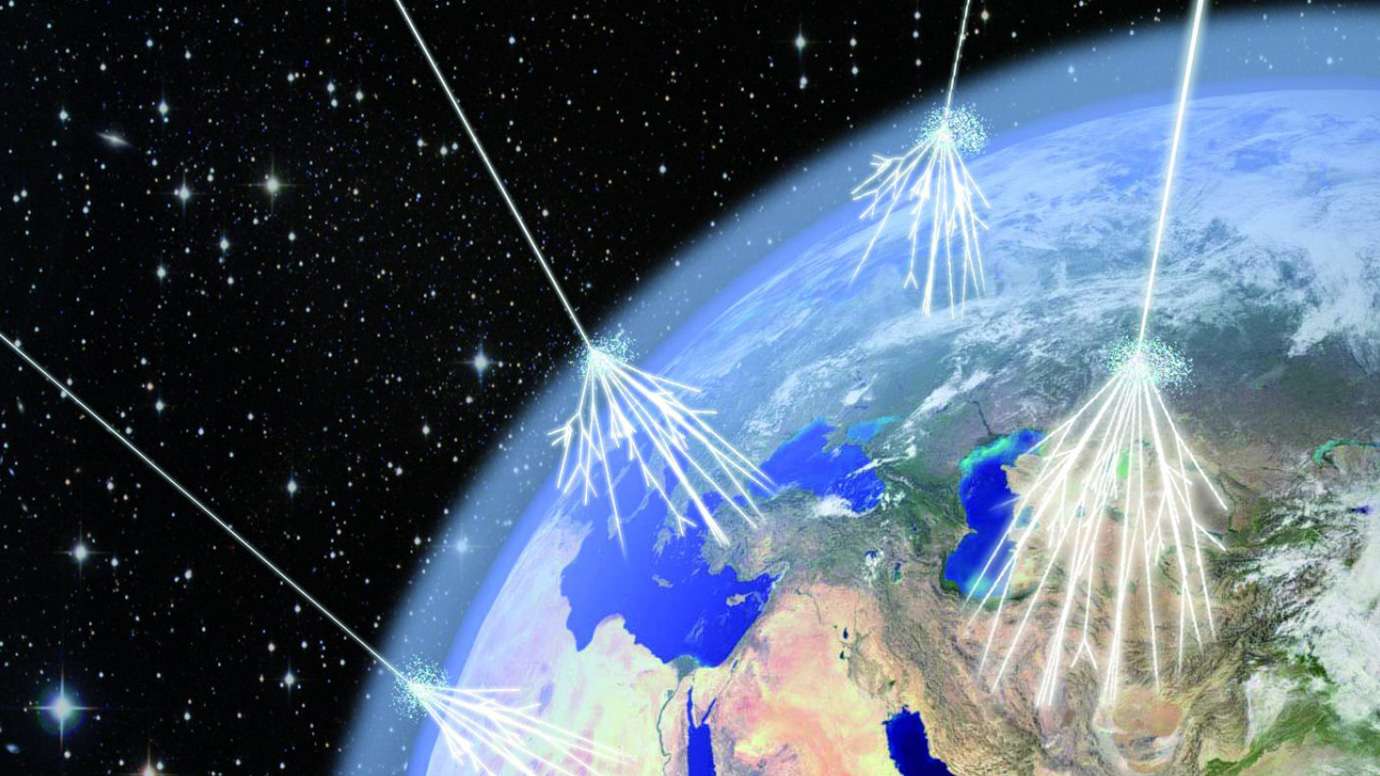
Definition of Cosmic Waves and Cosmic Rays Cosmic waves and cosmic rays are two distinct phenomena originating from the vast expanse of the universe. Although both terms share the prefix “cosmic” and relate to extraterrestrial events, they differ fundamentally in their composition, sources, and effects. Gaining a clear understanding of these phenomena enhances our knowledge […]

Read More →

Through the Lens: Readers Share Stunning Astrophotography

Definition of Astrophotography Astrophotography is the specialized practice of capturing images of astronomical objects and phenomena beyond Earth’s atmosphere. It merges artistic creativity with scientific exploration, enabling photographers to document the vast and mysterious universe. This discipline involves photographing celestial bodies such as stars, planets, nebulae, and galaxies, revealing their intricate details and cosmic beauty. […]

Read More →