Mass Extinction Events May Be Cosmically Synchronized

Understanding Mass Extinction Events Mass extinction events represent pivotal episodes in Earth’s biological history, characterized by widespread and rapid declines in biodiversity. These catastrophic occurrences have repeatedly reshaped the evolutionary trajectory of life, causing profound ecological upheavals. Recent scientific investigations suggest that some of these extinction events may not be entirely random but could exhibit […]


Read More →

Adaptive Optics to Cover the Sky: Sharpening Our Cosmic Vision

Definition of Adaptive Optics Adaptive optics is an advanced technological system designed to enhance the clarity of astronomical observations by compensating for distortions caused by Earth’s atmosphere. This technology functions like a dynamic corrective lens, continuously adjusting to counteract atmospheric turbulence that blurs the images of celestial objects. By refining the incoming light from space, […]

Read More →

Strings and Signals: Cosmic Radiation Plays Tricks Again

Understanding Cosmic Radiation Cosmic radiation refers to the high-energy particles and electromagnetic waves that continuously bombard Earth from outer space. Originating from powerful astrophysical phenomena such as supernovae explosions and quasars, these particles-primarily protons, electrons, and atomic nuclei-serve as messengers carrying vital information about the distant and ancient universe. Their study provides critical insights into […]

Read More →

Lightning’s Secret Spark: Cosmic Rays to the Rescue

Definition of Lightning and Cosmic Rays Lightning is a spectacular atmospheric event characterized by a sudden, intense electrical discharge accompanied by thunder. It primarily occurs within towering cumulonimbus clouds, where complex physical processes lead to the buildup and release of electrical energy. Cosmic rays, on the other hand, are highly energetic particles originating from outer […]

Read More →

Baby Star Blows a Bubble: Celestial Nursery Gets Fiery

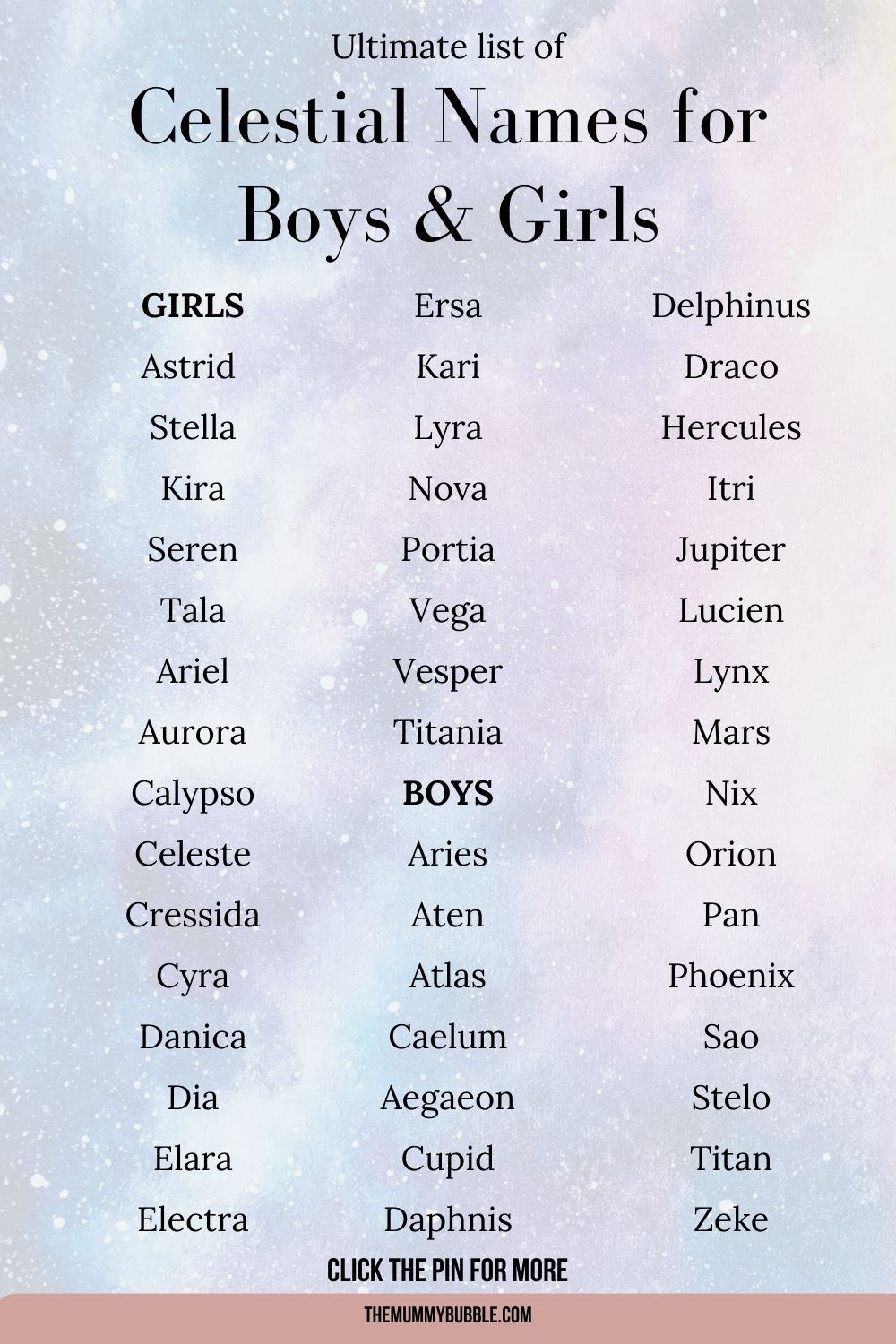
Definition of Celestial Nursery Design Celestial nursery design refers to the thematic incorporation of cosmic elements-such as stars, planets, and galaxies-into early childhood environments. This approach transcends traditional nursery aesthetics by blending educational and imaginative components inspired by the universe, aiming to stimulate cognitive, emotional, and sensory development in young children. Cosmic Inspiration: Utilizing motifs […]

Read More →

Asteroid Alert Overblown? Rethinking the Risk from Space Rocks

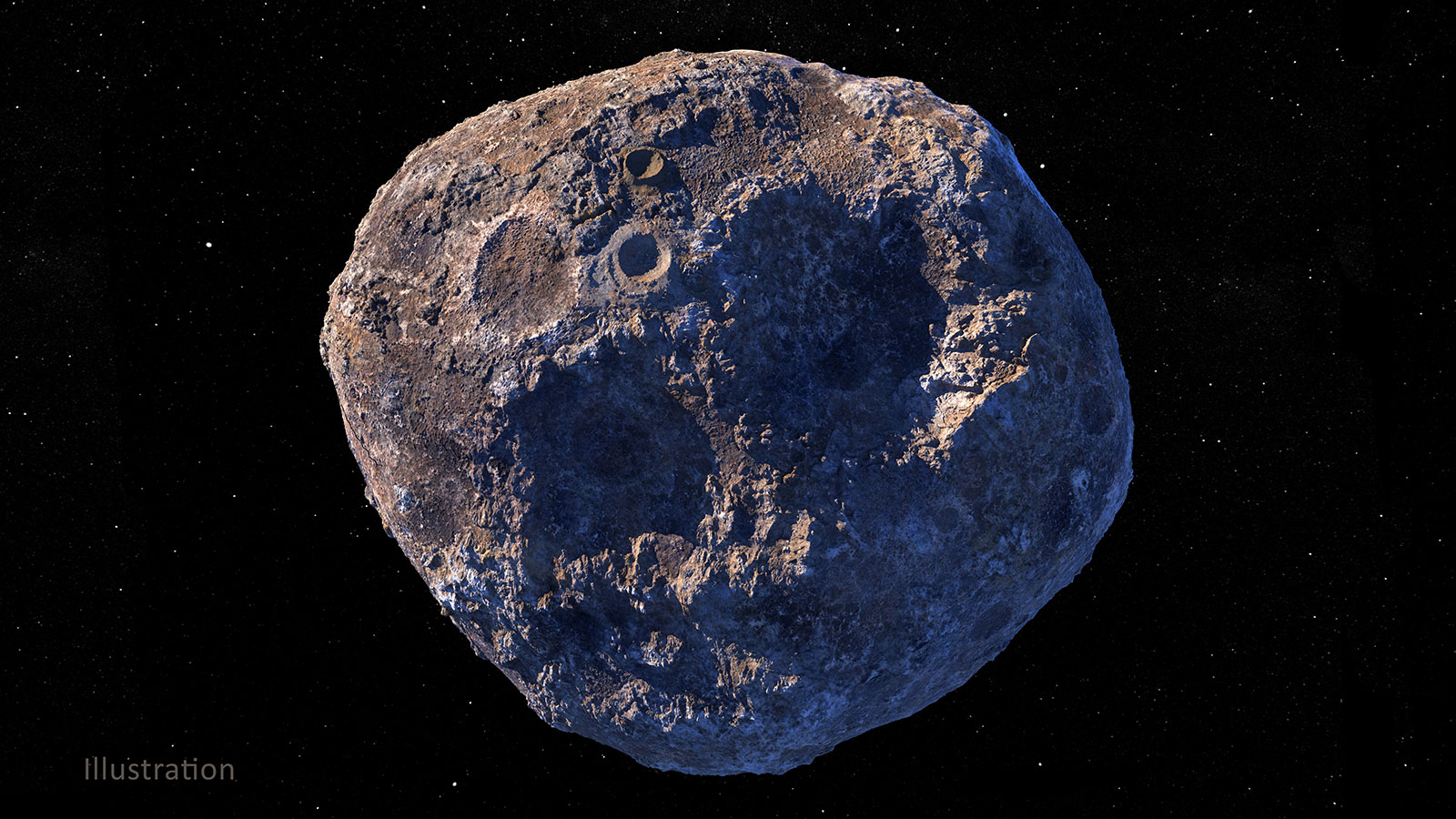
Definition of Asteroids and Near-Earth Objects Asteroids are rocky and metallic remnants from the early formation of the solar system, offering valuable clues about its origin and development. These celestial bodies orbit the Sun and are scattered throughout the solar system. A particular group of asteroids, known as Near-Earth Objects (NEOs), have orbits that bring […]

Read More →

What is a star’s ‘spectrum’? – Mathematics and Physics?

Definition of a Star’s Spectrum A star’s spectrum represents the range of electromagnetic radiation it emits, encompassing a detailed profile of light that reveals critical information about the star’s physical properties. This spectrum acts as a cosmic fingerprint, encoding data about the star’s chemical makeup, temperature, brightness, and motion through space. By studying these spectral […]

Read More →