Astronomical Sense and Nonsense: Separating Cosmic Fact from Fiction

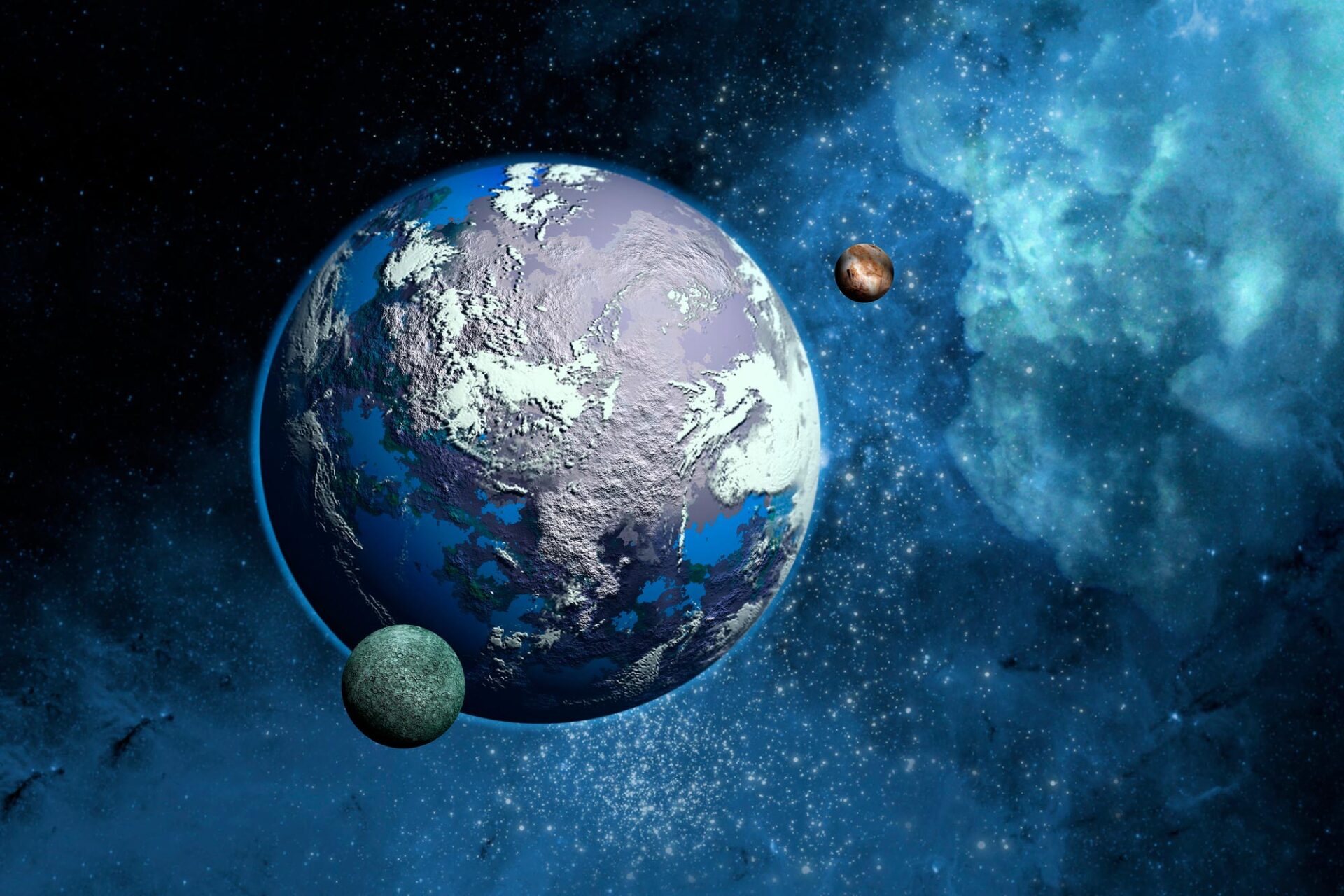
Understanding Astronomy: An Overview Astronomy, the scientific study of celestial bodies and the universe, has fascinated humanity for centuries. It combines empirical research with theoretical frameworks to explore the vast cosmos, unraveling the mysteries of stars, planets, galaxies, and cosmic phenomena. This discipline not only advances our comprehension of the universe’s structure and origins but […]

Read More →

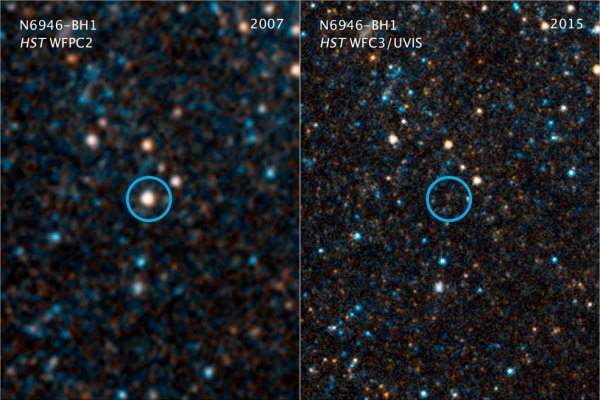
Astronomers Witness the Birth of a Black Hole

Definition of Black Holes and Stellar Evolution Black holes are extraordinary cosmic objects formed from the remnants of massive stars that have undergone gravitational collapse. These entities possess gravitational fields so intense that nothing, not even light, can escape their pull, rendering them invisible to direct observation. The formation of black holes is a critical […]

Read More →

Can Stars Get Too Big? Exploring Stellar Limits

Understanding Stars and Their Formation Stars are luminous celestial bodies scattered throughout the universe, captivating human curiosity for thousands of years. Their radiant glow inspires profound questions about the nature of existence, life, and the cosmos. One particularly compelling inquiry is whether stars have an upper limit to their size. To explore this, it is […]

Read More →

Breaking News: The Moon Is Shrinking!

Definition of Lunar Shrinkage The concept of lunar shrinkage refers to the gradual reduction in the Moon’s size over geological time. This phenomenon is characterized by the contraction of the Moon’s interior as it cools, leading to observable changes on its surface such as fractures and ridges. Unlike the traditional view of the Moon as […]

Read More →

A Final Frontier Farewell: Legendary Space Physicist Passes

Overview of Stephen Hawking’s Impact on Science The scientific community felt a profound loss with the passing of Stephen Hawking, a towering figure whose groundbreaking work reshaped our comprehension of black holes and the fabric of spacetime. His intellectual contributions not only advanced theoretical physics but also inspired a global dialogue about the mysteries of […]

Read More →

Pulsars as Giant Neutromagnets: A Galactic Magnetic Marvel

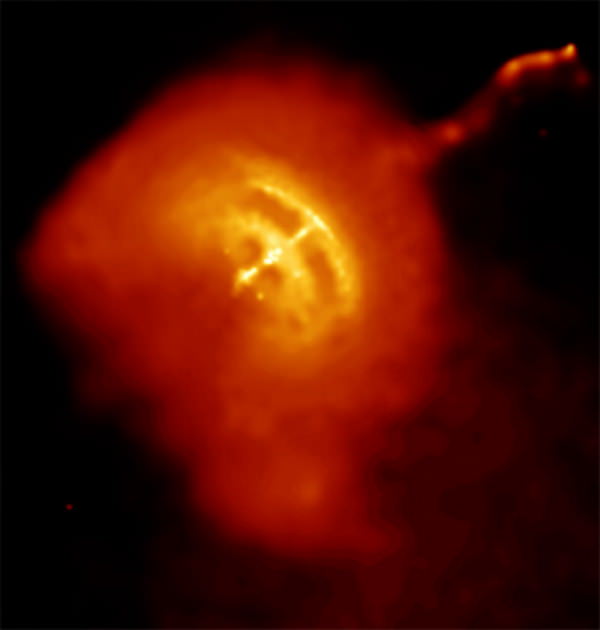
Definition of Pulsars Pulsars are highly magnetized, rapidly spinning neutron stars that remain after massive stars explode in supernova events. These compact remnants emit beams of electromagnetic radiation from their magnetic poles, which sweep across space like cosmic lighthouses. The periodic pulses detected from Earth arise due to the star’s rotation, making pulsars some of […]

Read More →