Carbons Hoyle State Finally Calculated: Life’s Origin Equation Solved?

Definition of the Hoyle State The Hoyle state is an excited energy level of the carbon-12 nucleus, crucial for the synthesis of carbon in stars. This resonance facilitates the fusion of three helium-4 nuclei (alpha particles) into carbon, a process essential for the formation of heavier elements and, ultimately, life. Named after astrophysicist Fred Hoyle, […]

Read More →

Cosmic Variance: Living with the Uncertainty of the Universe

Definition of Cosmic Variance Cosmic variance refers to the intrinsic statistical fluctuations observed in the distribution of matter and radiation throughout the universe. It highlights the natural uncertainties that arise when examining different regions of the cosmos, reflecting the fact that our observable universe is just one realization of many possible configurations. These variations challenge […]

Read More →

Outreach With Impact: Astrophysics Project Wins Big for Education

Understanding Astrophysics Outreach Astrophysics, a captivating branch of science, explores the vast universe filled with countless celestial bodies and phenomena. This field not only intrigues researchers but also fascinates the general public. A growing movement within astrophysics emphasizes outreach programs designed to make complex cosmic concepts accessible and engaging for everyone. Recently, one such initiative […]

Read More →

Magnetism on a Galactic Scale: The Universe Reveals Its Fields

Definition of Cosmic Magnetism Cosmic magnetism refers to the presence and influence of magnetic fields on a galactic and intergalactic scale. Unlike the familiar magnetism encountered in everyday objects, these magnetic fields permeate vast regions of space, affecting the behavior of charged particles, gas clouds, and the formation and evolution of galaxies. They are fundamental […]

Read More →

Accident Grounds Neutrino Lab: A Setback in the Search for Ghost Particles

Definition of the Accident Grounds Neutrino Lab (AGNL) The Accident Grounds Neutrino Lab (AGNL) is a cutting-edge research facility dedicated to the study and detection of neutrinos, elusive subatomic particles often dubbed “ghost particles” due to their weak interactions with matter. The laboratory’s mission centers on capturing and analyzing these particles to deepen our understanding […]

Read More →

Back to the Moon: Why Lunar Science Is Cool Again

Definition and Historical Significance of the Moon in Space Exploration The Moon, Earth’s closest celestial companion, has fascinated humanity for thousands of years. It has served as a symbol of mystery and inspiration, while also becoming a critical focus of scientific study and space exploration. Historically, the Moon gained prominence during the Apollo missions (1969-1972), […]

Read More →

Binary Systems Share Stardust: Cosmic Companions Mix Matter

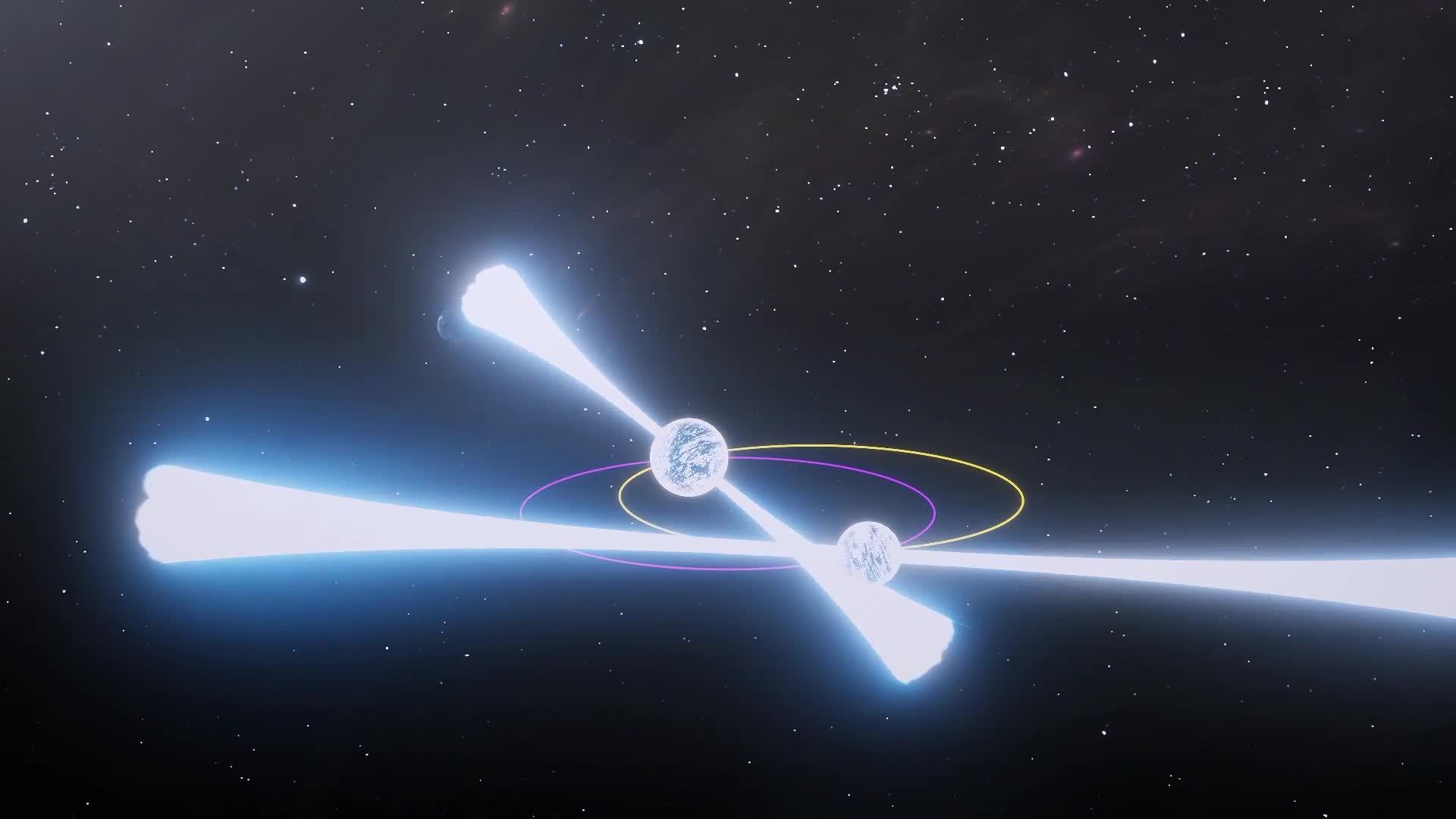
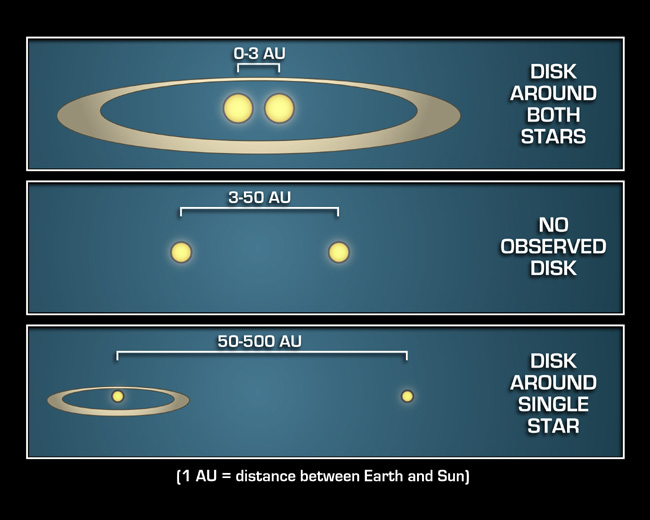
Definition of Binary Star Systems Binary star systems are pairs of stars gravitationally linked, orbiting a mutual center of mass. These stellar duos are not just astronomical phenomena but key players in understanding the universe’s evolution. They provide critical insights into how elements are formed and recycled, influencing the cosmic environment and the very matter […]

Read More →