How Isaac Newton Discovered Gravity (The Real Story)

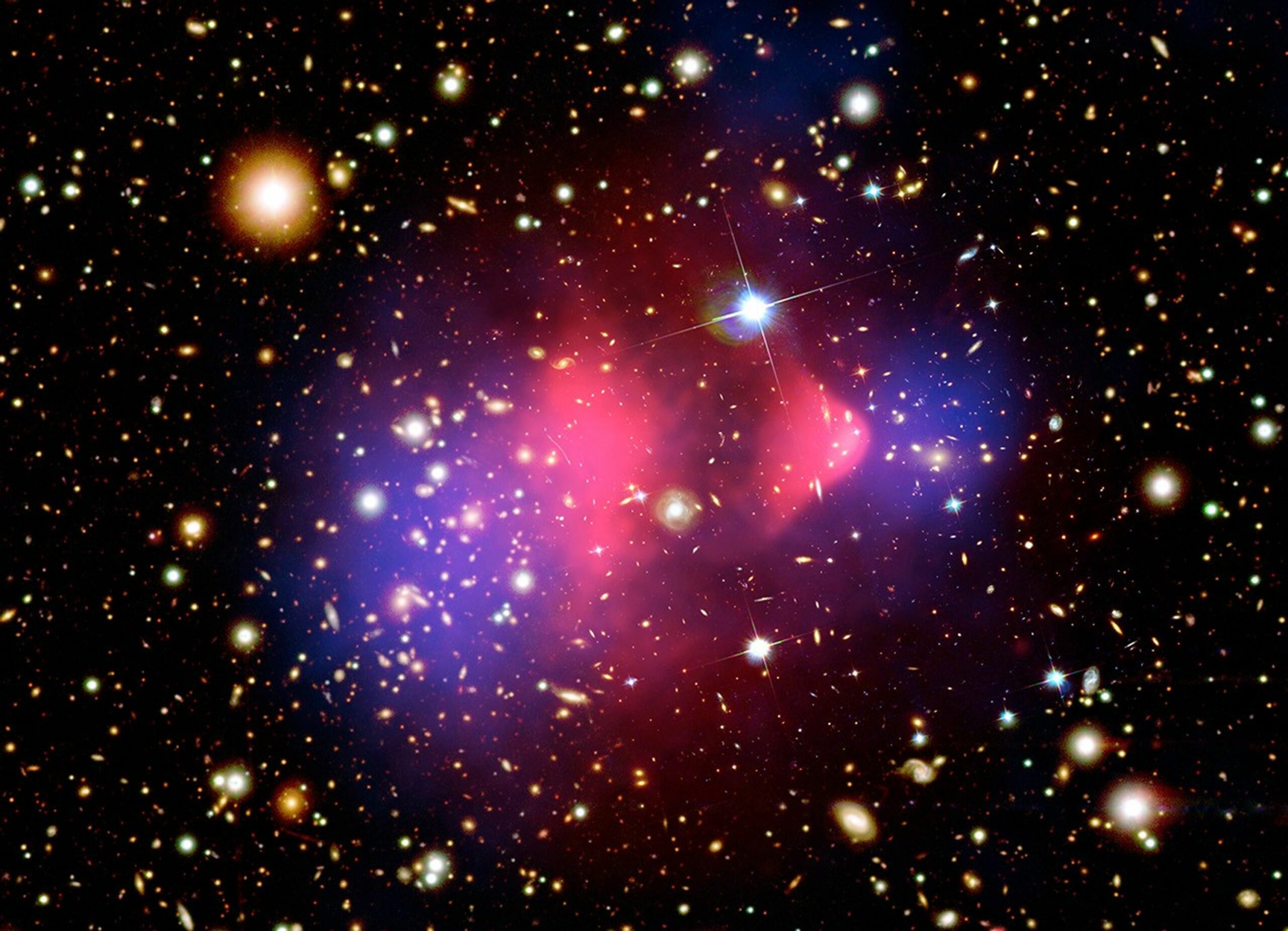
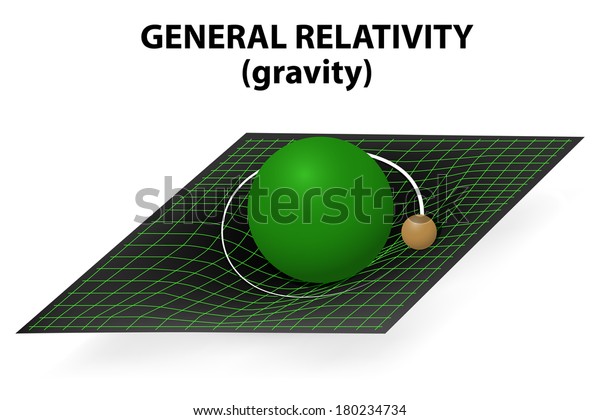
Definition of Gravity and Its Discovery Gravity is a fundamental natural force that causes objects with mass to attract one another. The discovery of gravity is famously linked to Isaac Newton, whose work transformed our understanding of both earthly and celestial phenomena. Contrary to popular myth, Newton’s insight was not a sudden revelation triggered by […]
Read More →

How Scientists Weighed the Sun Without Leaving Earth

Definition of the Sun’s Mass The Sun, a massive luminous sphere at the heart of our solar system, exerts a dominant gravitational pull that orchestrates the orbits of planets, asteroids, comets, and numerous other celestial bodies. Determining the Sun’s mass-a fundamental property influencing the entire solar system’s dynamics-might seem impossible without direct space exploration. However, […]

Read More →

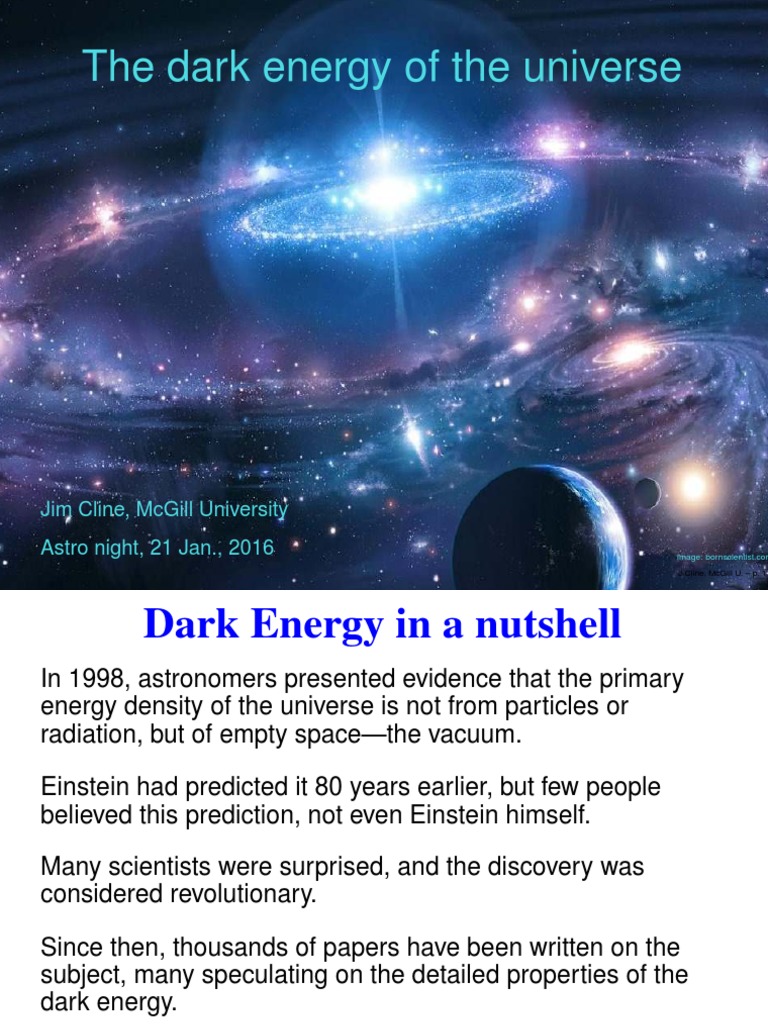
Could Tachyons Explain Dark Matter and Dark Energy?

Definition of Tachyons and Their Cosmological Significance Tachyons are hypothetical particles theorized to travel faster than the speed of light, thereby challenging the fundamental principles of Einstein’s relativity. These particles possess unusual characteristics such as imaginary mass and the potential to reverse causality, making them a subject of intense theoretical interest. In cosmology, tachyons have […]

Read More →

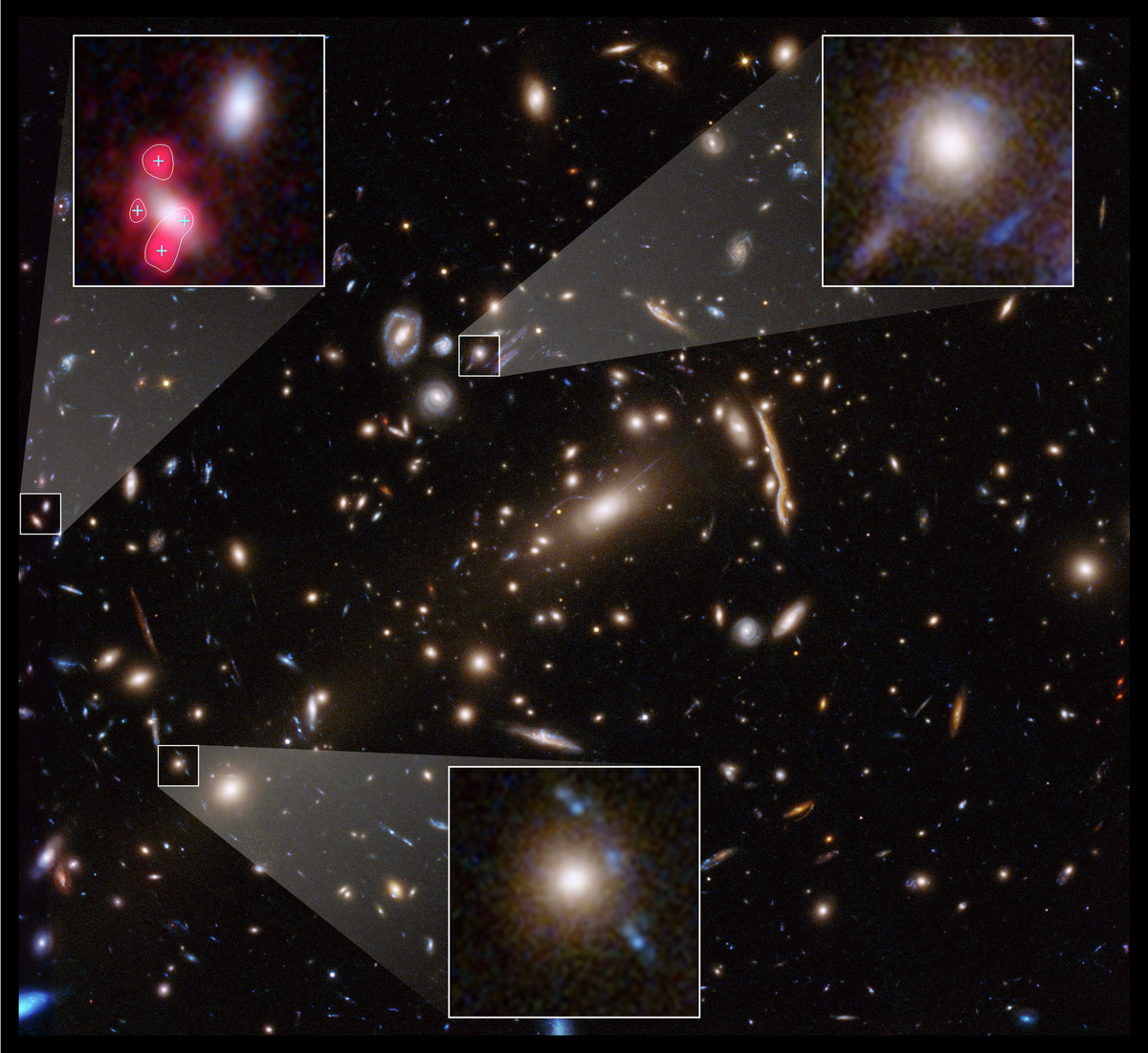
How Hubble Space Telescope Maps Dark Matter With Lenses

Understanding Dark Matter Dark matter is a mysterious and invisible form of matter that does not emit, absorb, or reflect light, making it undetectable through conventional telescopes. Despite its elusive nature, it plays a crucial role in the universe, accounting for about 27% of its total mass-energy content, vastly outweighing the ordinary matter that makes […]

Read More →

Do Stars Orbit Something Bigger Too?

Understanding Stellar Orbits Do stars revolve around larger cosmic structures? This question invites us to explore the vast and intricate architecture of the universe beyond the familiar notion that planets orbit stars. While it is well-known that planets circle their host stars, stars themselves are not isolated wanderers; they participate in grander orbital systems that […]

Read More →

Is Dark Matter Dangerous to Humans?

Definition of Dark Matter Dark matter is a mysterious and invisible form of matter that constitutes approximately 27% of the total mass-energy content of the universe. Unlike ordinary matter, it neither emits nor absorbs electromagnetic radiation, making it undetectable through conventional telescopes. Its existence is inferred primarily through its gravitational effects on visible matter, influencing […]

Read More →

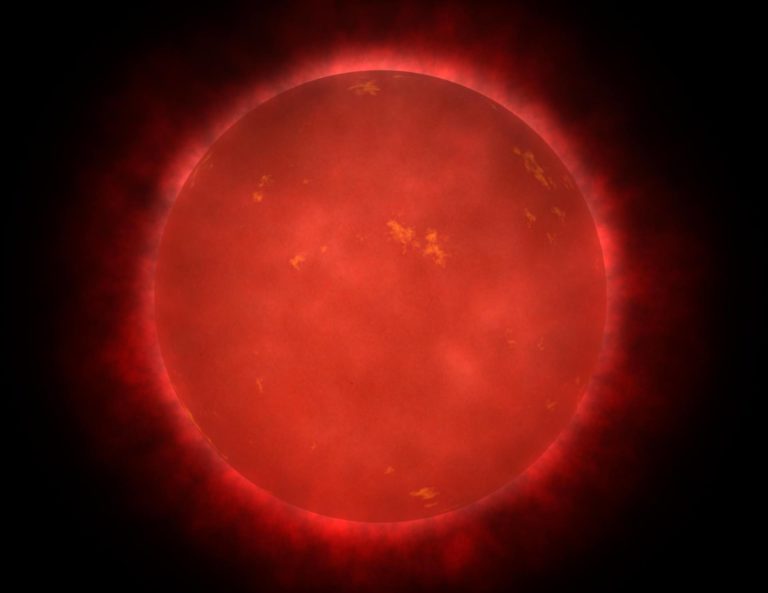
What Does a Red Giant Star Actually Look Like?

Definition of a Red Giant Star A red giant star represents a late evolutionary stage of a star’s life cycle, characterized by a significant increase in size and a cooler surface temperature compared to its earlier phases. These stars are enormous, luminous celestial bodies that have expanded and cooled after exhausting the hydrogen fuel in […]

Read More →