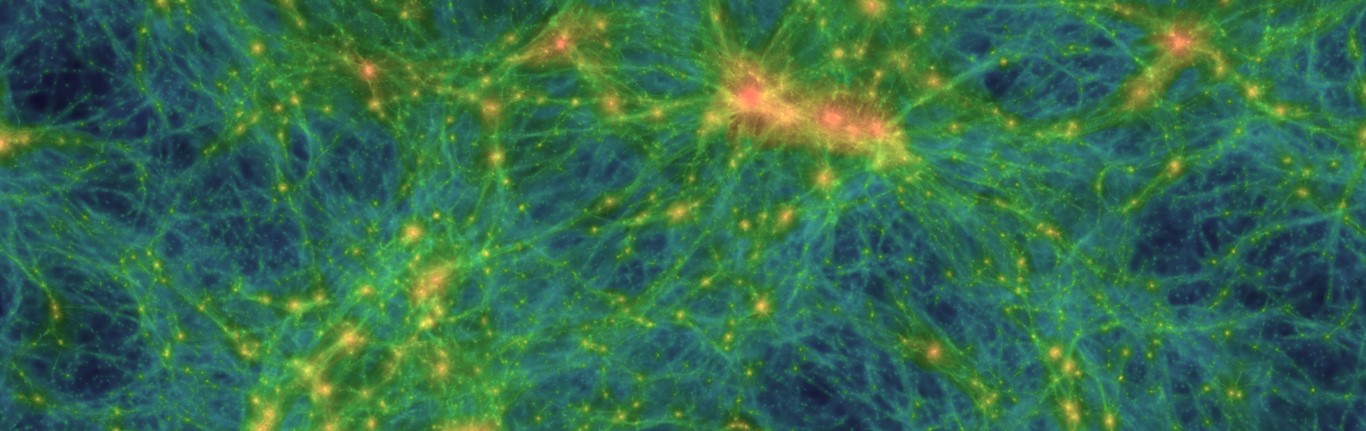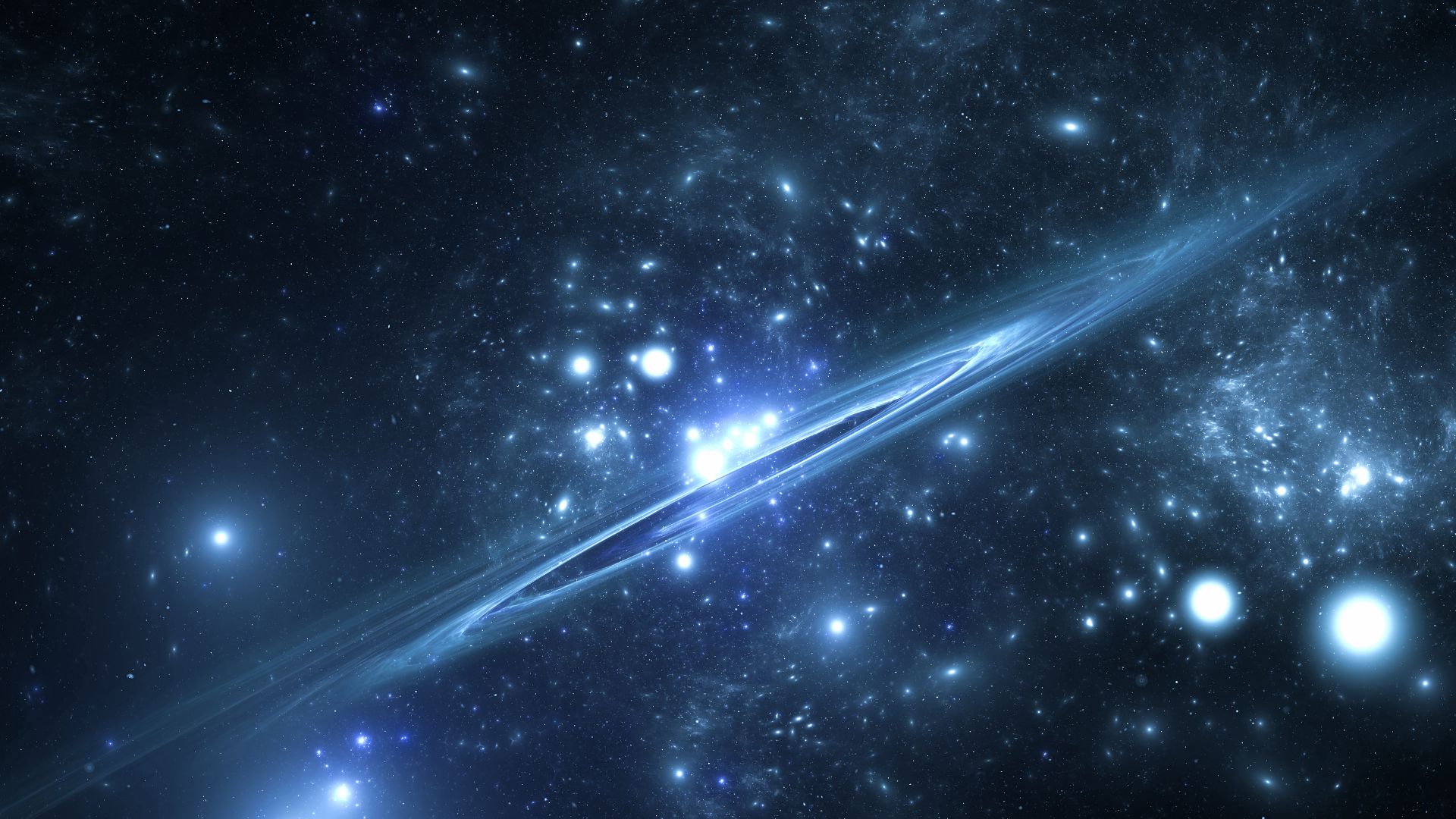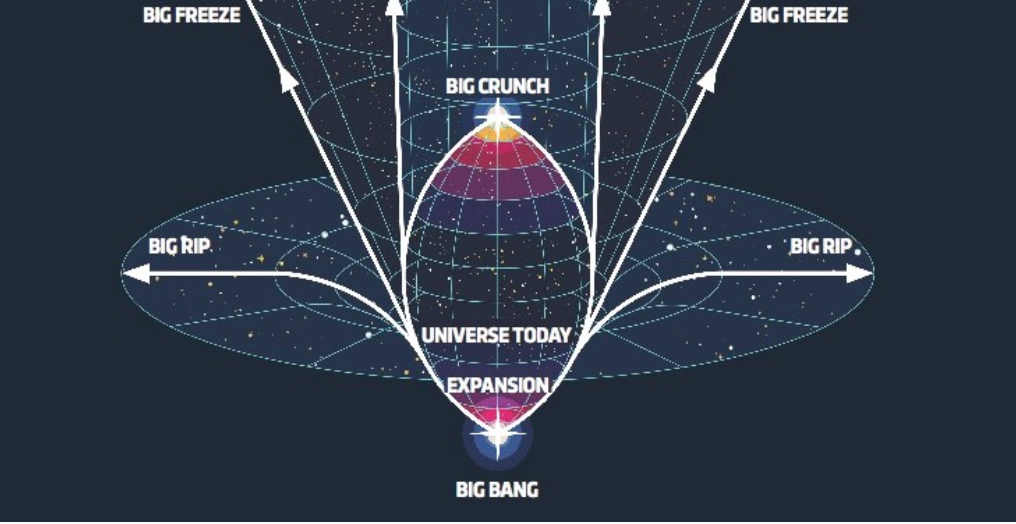
Could Empty Space Inside Atoms Be Dark Energy?

Definition of Dark Energy and Atomic Void Dark energy is a mysterious force believed to be responsible for the accelerated expansion of the universe. It constitutes approximately 70% of the total energy content of the cosmos, yet its nature remains elusive. A fascinating hypothesis in theoretical physics suggests that the seemingly empty space within atoms-the […]
Read More →

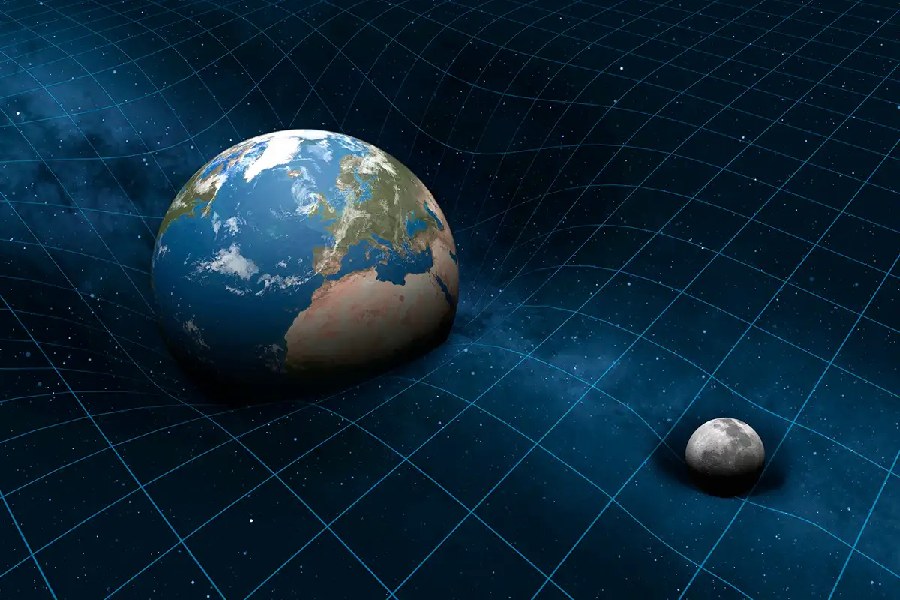
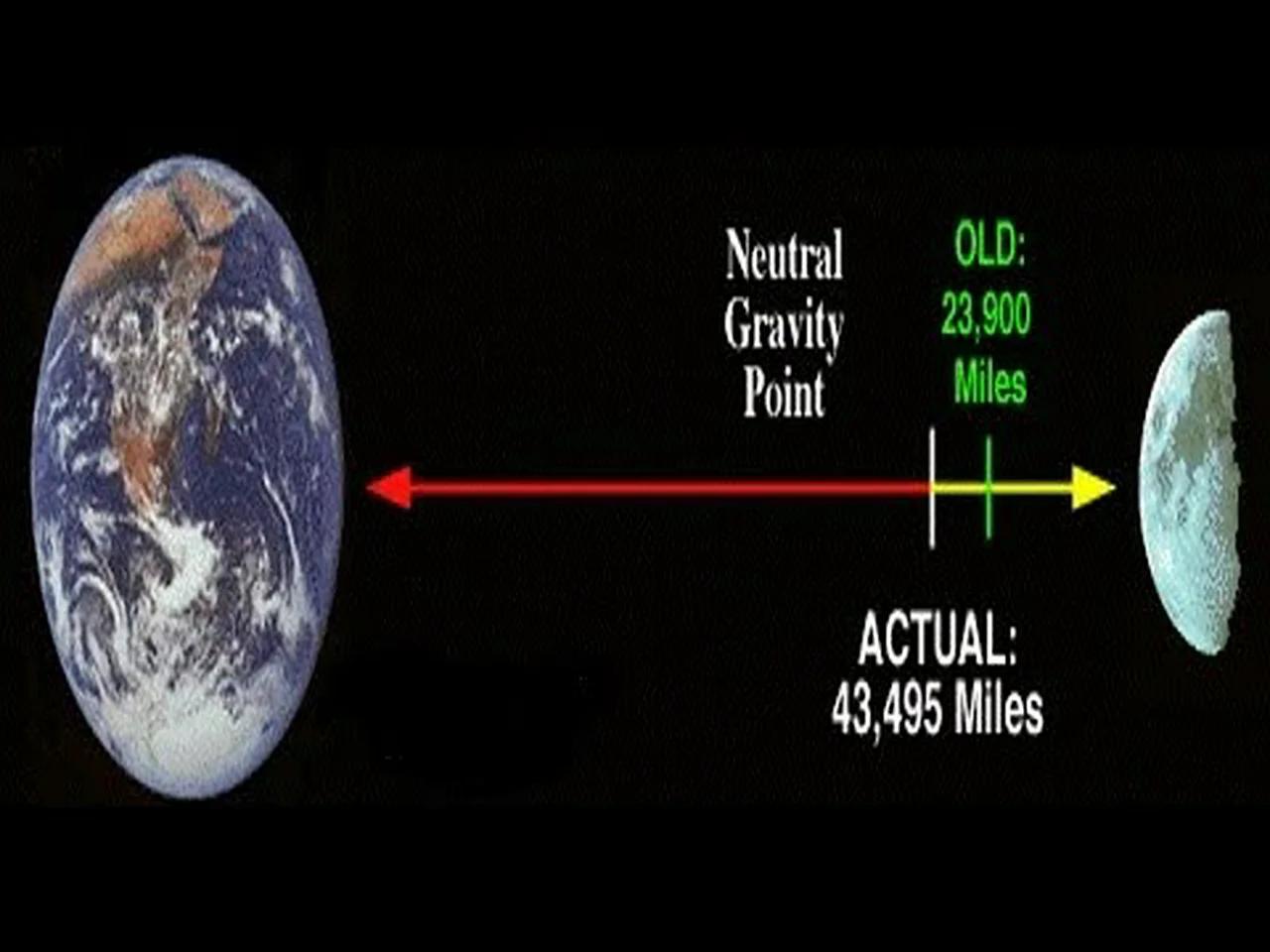
Can a Planet and Its Moon Have Equal Gravity?

Understanding Gravity in Planet-Moon Systems Gravity is the fundamental force that governs the attraction between masses in the universe. It orchestrates the motion of celestial bodies, maintaining orbits and shaping planetary atmospheres. The strength of gravitational pull depends primarily on two factors: the mass of the objects involved and the distance separating their centers of […]

Read More →

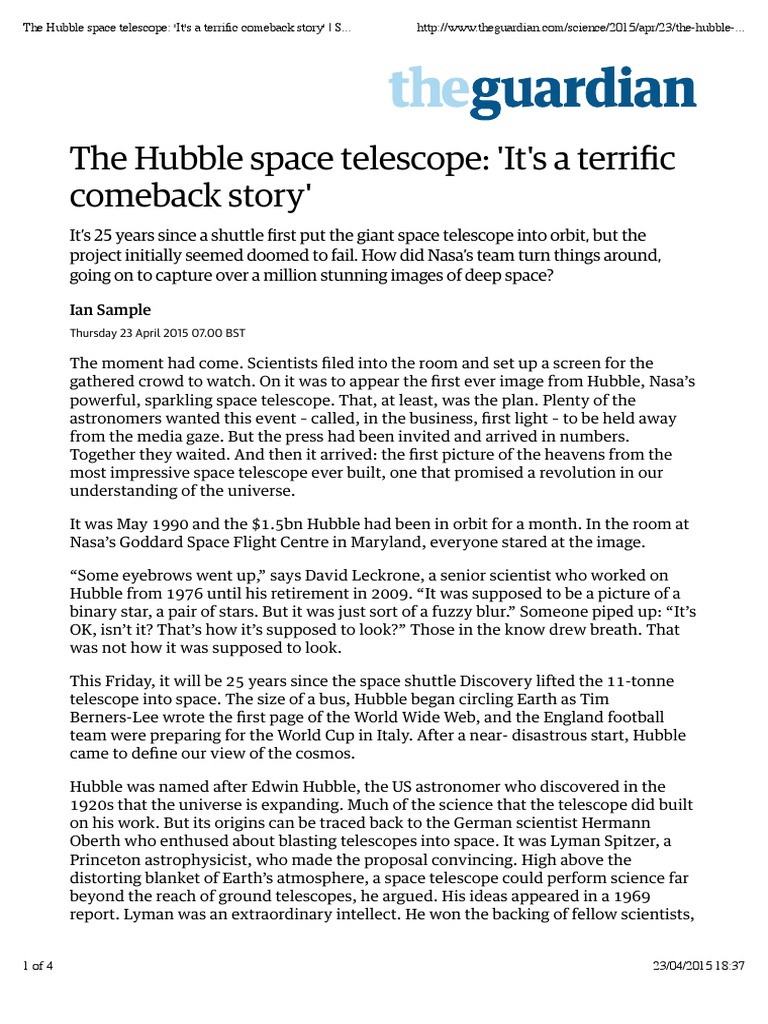
Is the Hubble Space Telescope Humanity’s Greatest Space Achievement?

Definition of the Hubble Space Telescope The Hubble Space Telescope (HST) is a sophisticated orbital observatory positioned approximately 340 miles above Earth’s surface. It serves as a powerful astronomical instrument designed to capture high-resolution images and data from distant cosmic phenomena. Far more than a mere machine, Hubble acts as a symbolic sentinel, extending humanity’s […]

Read More →

Could Dark Matter Be Made of “Dark Photons”?

Definition of Dark Photons Dark photons are hypothetical particles proposed as mediators of a hidden force within the so-called “dark sector” of the universe. Analogous to ordinary photons, which are the carriers of the electromagnetic force and visible light, dark photons are theorized to interact very weakly with standard matter and radiation. They are considered […]

Read More →

What Is a White Dwarf and Why Is It So Dense?

Definition of White Dwarfs White dwarfs are the compact, dense remnants left behind after stars of moderate mass have exhausted their nuclear fuel. These stellar remnants are notable for their small size combined with an extraordinary density, making them one of the most intriguing objects in stellar astrophysics. They represent a late evolutionary phase for […]

Read More →

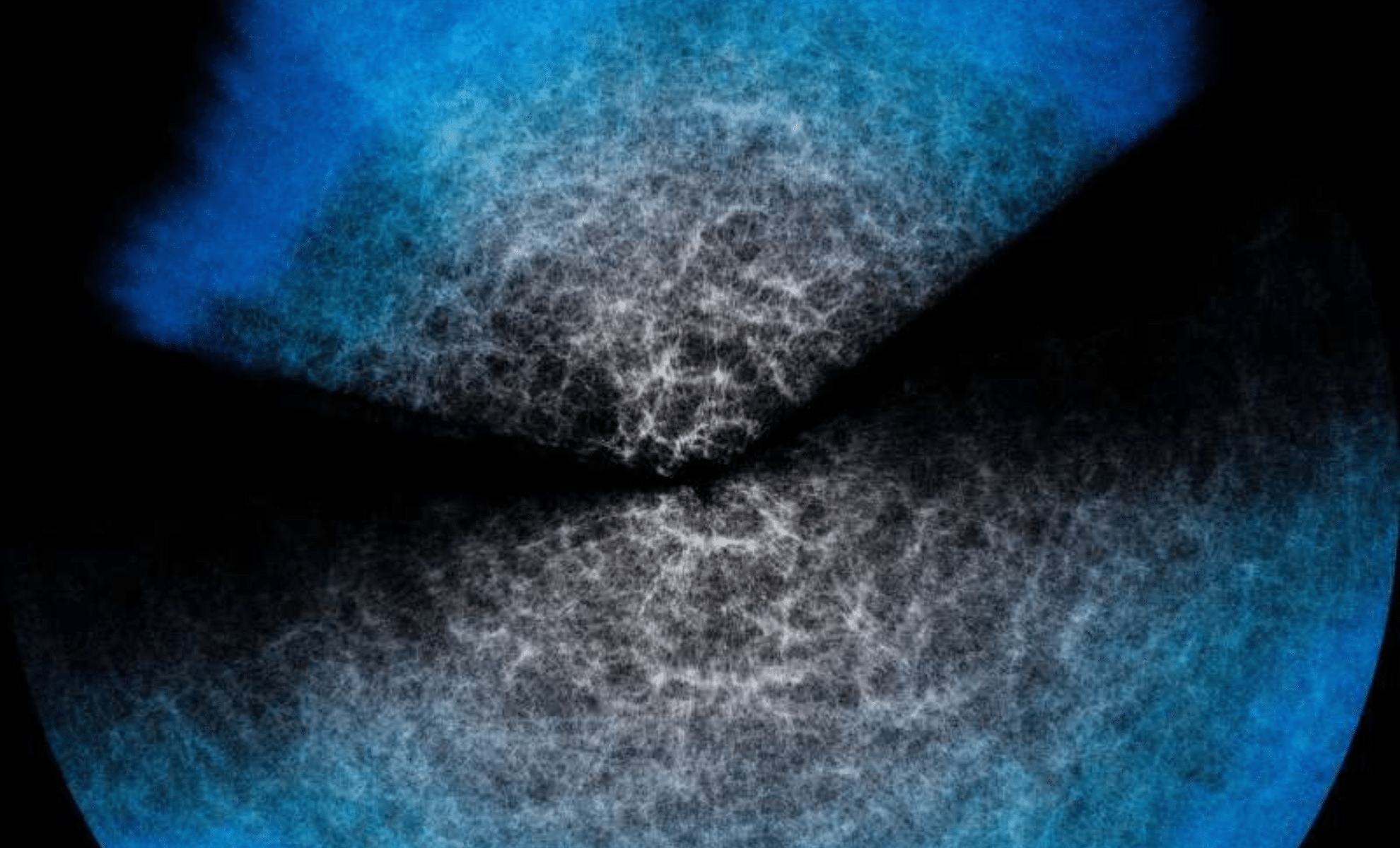
Are Scientists Overcomplicating the Universe?

Understanding the Universe: A Complex Cosmic Landscape The universe stretches infinitely, a vast cosmic mosaic filled with mysteries that have intrigued humanity for thousands of years. As scientific exploration delves deeper into this immense expanse, a pressing question arises: are researchers making the universe seem more complicated than it truly is? This inquiry is not […]

Read More →