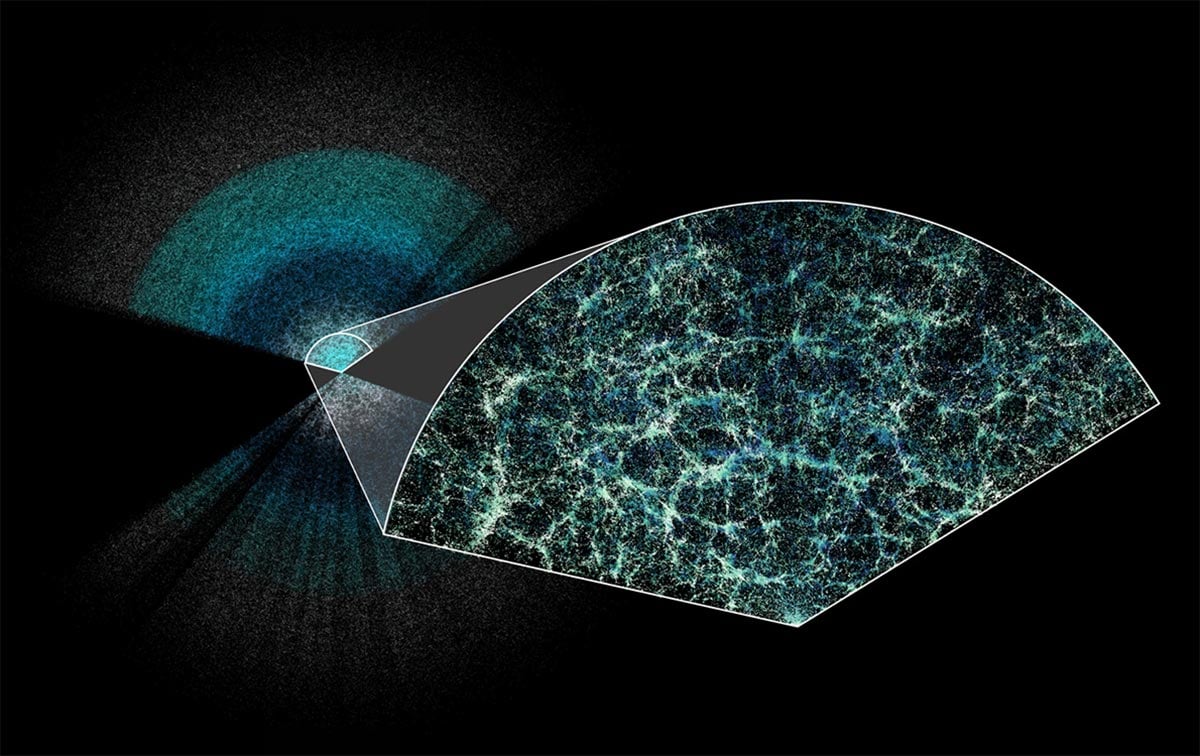
What We Don’t Know About the Universe Is Terrifying

Understanding the Cosmic Unknown The universe’s immense scale has long inspired human curiosity and exploration. Despite centuries of scientific progress and observation, much about the cosmos remains shrouded in mystery. These unknowns are not just academic puzzles; they highlight the boundaries of human understanding and often evoke a sense of awe and unease. The mysteries […]

Read More →

Can Light Escape a Rotating Black Hole?

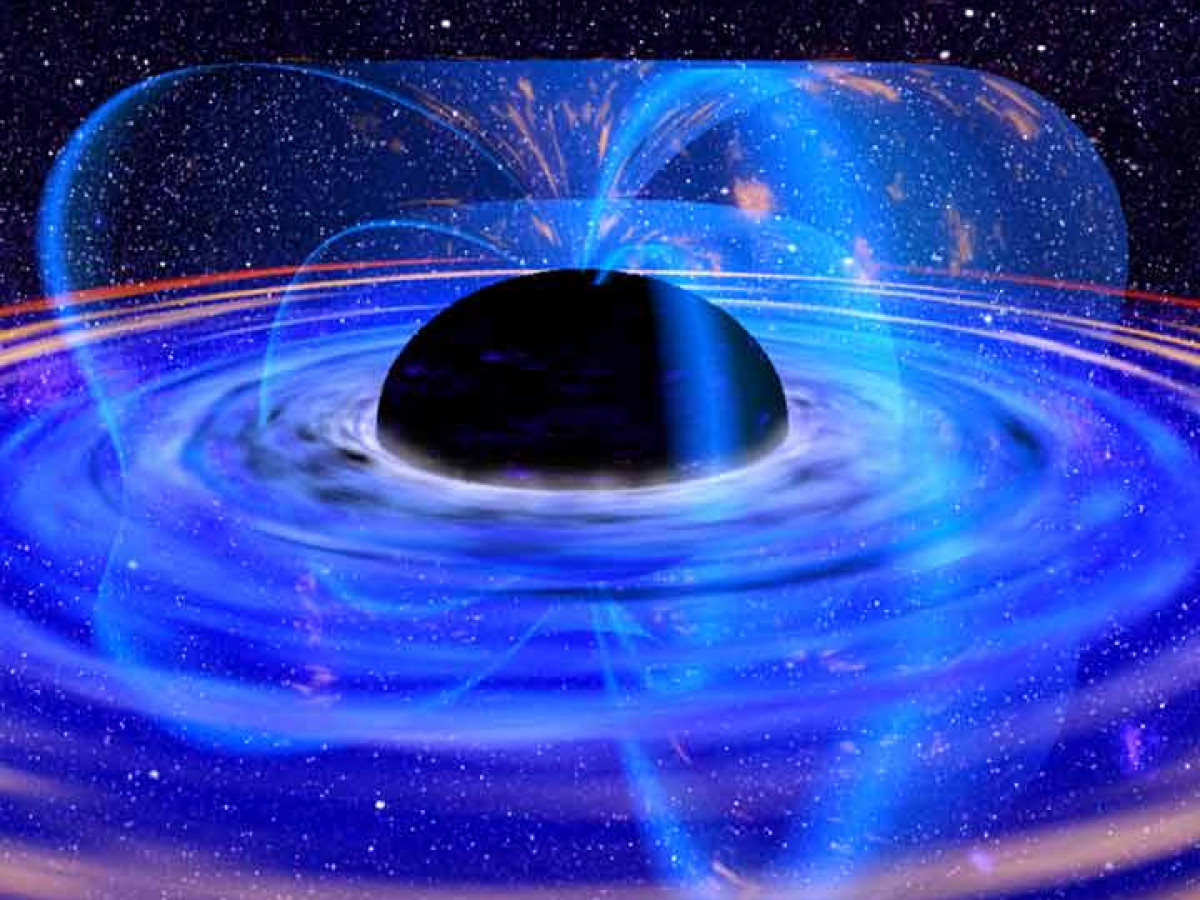
Understanding Rotating Black Holes Black holes have fascinated both scientists and the public for decades, representing some of the most mysterious objects in the cosmos. These massive entities exert gravitational forces so powerful that even light-the fastest entity in the universe-cannot escape their pull under classical conditions. However, when considering rotating black holes, also known […]

Read More →

Deep Underground Experiments Are Closing In on Dark Matter

Understanding Dark Matter Dark matter is a mysterious and invisible substance that has intrigued physicists and cosmologists for decades. It neither emits nor absorbs light, making it undetectable by conventional electromagnetic means. Despite this invisibility, dark matter exerts a significant gravitational pull, influencing the structure and evolution of the universe. Its presence is essential to […]

Read More →

The Race to Discover Axions—The Next Big Particle?

Definition of Axions Axions are hypothetical elementary particles proposed to address unresolved issues within particle physics and cosmology. Initially introduced to solve a specific symmetry problem in the Standard Model, axions have since gained prominence as potential candidates for dark matter, the mysterious substance that constitutes the majority of the universe’s mass but remains invisible […]

Read More →

What Is Astronomy and Why Does It Matter?

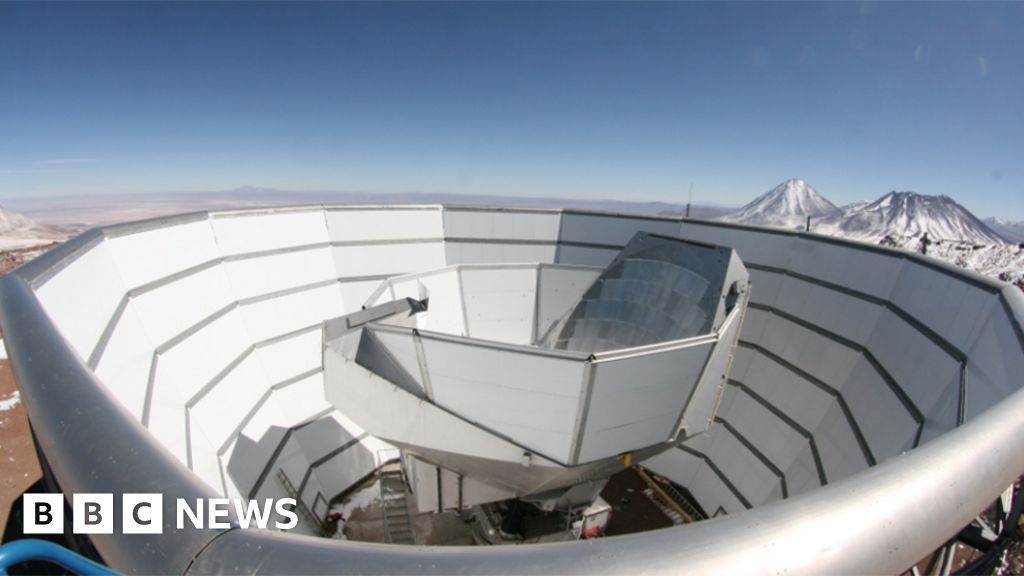
Definition of Astronomy Astronomy is the ancient scientific discipline dedicated to studying celestial bodies and phenomena beyond Earth’s atmosphere. It encompasses the observation and analysis of stars, planets, galaxies, and the fundamental laws that govern their behavior. More than just cataloging cosmic objects, astronomy invites us to explore the vast universe, encouraging reflection on humanity’s […]

Read More →

What Came First: Time Space or Gravity?

Definition of Time, Space, and Gravity Time, space, and gravity are fundamental components that constitute the very framework of our universe. Each plays a distinct yet interconnected role in shaping reality as we perceive it. Time: An intangible continuum that measures the progression of events, enabling the concept of change and causality. Space: The three-dimensional […]

Read More →

What Gravitational Lensing Reveals About Invisible Matter

Definition of Gravitational Lensing Gravitational lensing is a phenomenon predicted by Einstein’s general theory of relativity, where massive objects cause a curvature in spacetime that bends the path of light traveling near them. This bending acts like a natural cosmic lens, magnifying and distorting the images of distant celestial bodies such as galaxies and quasars. […]

Read More →

Could Dark Matter Exist Inside the Standard Model?

Understanding Dark Matter Dark matter constitutes one of the most mysterious components of the cosmos, exerting gravitational influence that shapes galaxies and the vast cosmic web. Although its presence is inferred through gravitational effects, direct detection remains elusive. A pivotal question in modern physics is whether dark matter can be explained within the confines of […]

Read More →