Can We Watch Stars Being Born in Real Time?

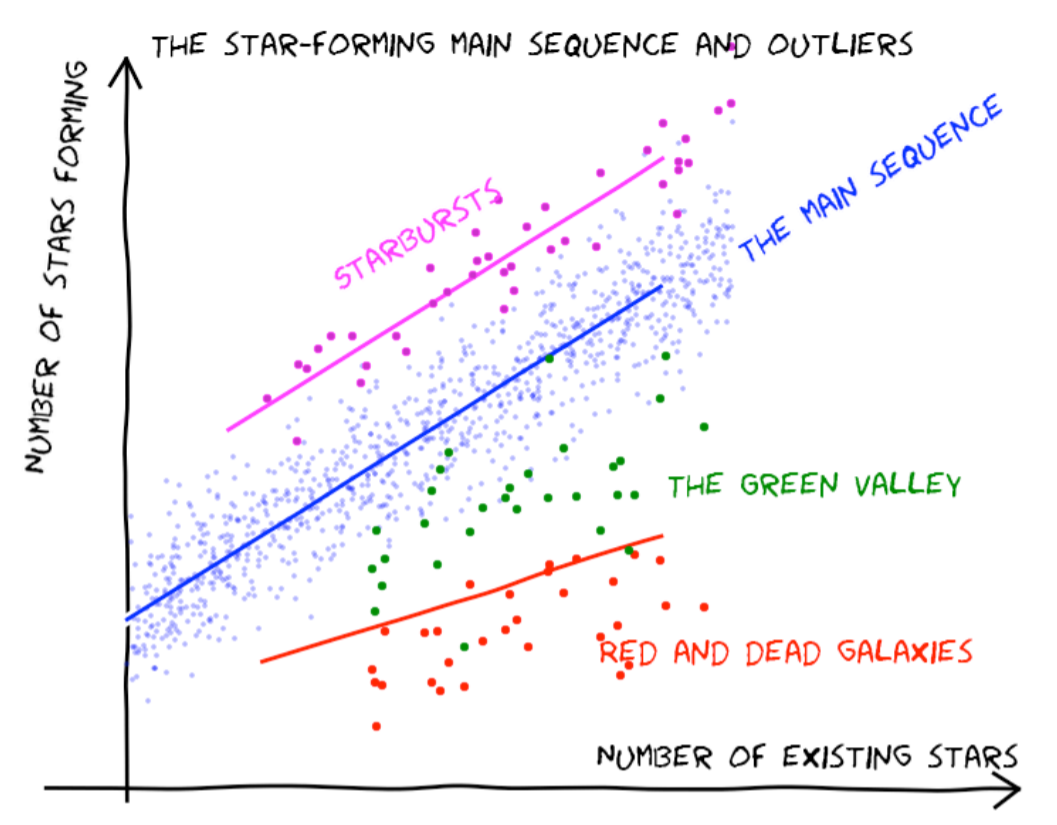
Definition of Star Formation Star formation refers to the complex astrophysical process through which dense regions within molecular clouds collapse under gravity to give birth to new stars. These stellar nurseries, composed primarily of gas and dust, serve as the cradles where stars gradually emerge over extensive periods, ranging from thousands to millions of years. […]

Read More →

Can Entire Galaxies Be Made Only of Dark Matter?

Definition of Dark Matter Galaxies Dark matter galaxies refer to hypothetical cosmic structures composed almost entirely of dark matter, lacking the ordinary, luminous matter that forms stars and planets. Unlike conventional galaxies, which are visible due to the light emitted by their baryonic components, these galaxies would be invisible to traditional telescopes, detectable only through […]

Read More →

What Can Gravitational Waves Be Used For?

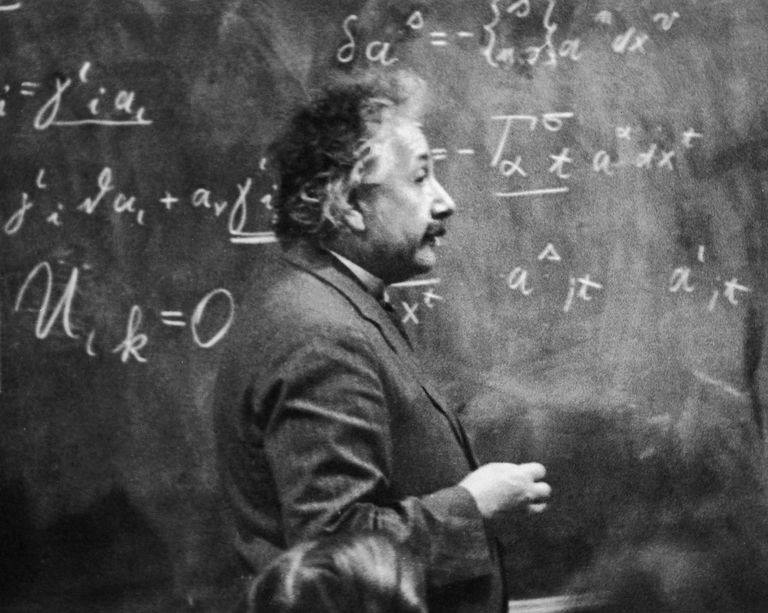
Definition of Gravitational Waves Gravitational waves are ripples in the fabric of spacetime generated by accelerating massive objects, as predicted by Albert Einstein’s general theory of relativity. These waves propagate outward at the speed of light, carrying information about dynamic cosmic events that cause distortions in spacetime. Unlike electromagnetic waves, gravitational waves interact very weakly […]

Read More →

Are Physicists Wrong About the Universe?

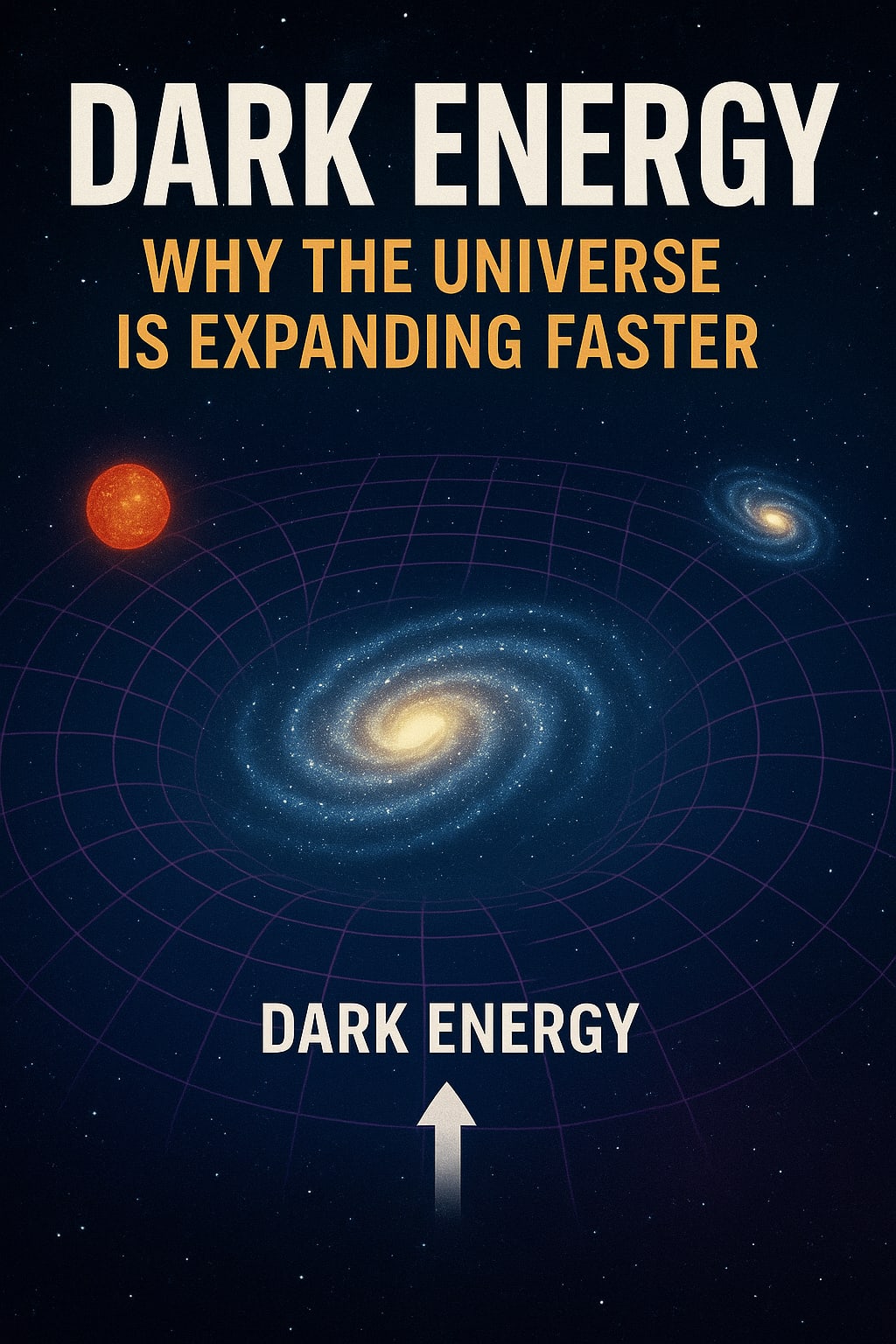
Understanding the Universe: A Cosmic Tapestry Envision the universe as an ancient, intricate tapestry woven from threads of light, matter, space, and time. For centuries, scientists have endeavored to untangle and reweave these threads in an attempt to decode the cosmic story. Initially perceived as elegantly straightforward, this narrative has gradually revealed layers of complexity. […]

Read More →