

Short Answer
Understanding Cancer Detection
Cancer detection represents a dynamic and rapidly advancing field within medical diagnostics, where the integration of multiple scientific disciplines accelerates progress toward effective treatment and disease management. The intersection of physics and medicine plays a crucial role in enhancing our ability to identify cancerous tissues early and accurately. This synergy addresses complex challenges such as precise tumor localization, improved imaging techniques, and optimized patient care strategies.
Historical Contributions of Physics to Medical Imaging
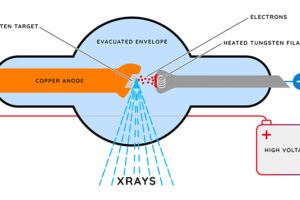
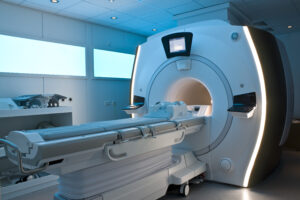
Physics has long been foundational to the evolution of diagnostic imaging technologies. Classic modalities like X-rays, computed tomography (CT), and magnetic resonance imaging (MRI) rely on fundamental physical principles involving electromagnetic radiation and atomic interactions. These tools enable clinicians to visualize internal body structures in detail, facilitating the detection of abnormalities that may indicate malignancy. However, the diverse and complex nature of cancer demands continual innovation beyond these traditional methods.
Advanced Imaging Modalities in Oncology
Modern cancer diagnostics benefit greatly from sophisticated imaging techniques that incorporate physics-based computational models and algorithms. Positron emission tomography (PET), for example, utilizes particle physics principles to generate functional images reflecting metabolic activity within tissues. By tracking radioactive tracers introduced into the bloodstream, PET scans highlight regions with elevated glucose uptake-a common characteristic of cancer cells. Despite these advancements, challenges such as limited spatial resolution and temporal constraints persist.
Hybrid Imaging Technologies
To overcome individual limitations, hybrid imaging systems like PET/CT and PET/MRI have emerged, combining anatomical and metabolic data acquisition in a single session. This fusion enhances diagnostic precision and supports more informed clinical decisions. In oncology, where timely and accurate information is critical, these integrative approaches provide a comprehensive understanding of tumor biology and progression.
Emerging Biomolecular Diagnostic Techniques
Beyond imaging, physics principles underpin innovative biomolecular diagnostic tools that operate at the nanoscale. Quantum mechanics facilitates the creation of quantum dots and nanoparticle-based sensors engineered for exceptional sensitivity to cancer-specific biomarkers. These technologies hold promise for detecting malignancies at their earliest stages, potentially before clinical symptoms arise.
Biophotonics in Cancer Detection
Biophotonics, an interdisciplinary field combining biology and photonics, leverages light-tissue interactions to diagnose cancer at the cellular level. Techniques such as fluorescence microscopy and optical coherence tomography (OCT) exploit tissue scattering and absorption properties to reveal hidden tumors in real time. The challenge remains to standardize these methods for routine clinical use, ensuring seamless integration into existing diagnostic workflows.
Data Interpretation and Artificial Intelligence
The increasing complexity and volume of data generated by high-resolution imaging and molecular diagnostics necessitate advanced analytical tools. Artificial intelligence (AI) and machine learning algorithms offer powerful means to enhance diagnostic accuracy by efficiently processing and interpreting vast datasets. However, these technologies also introduce concerns regarding data management, potential algorithmic biases, and the critical need for maintaining human oversight in clinical decision-making.
Ethical Considerations in Accelerated Cancer Diagnostics
While faster detection methods improve the potential for early intervention, they also raise ethical questions about overdiagnosis and overtreatment. Rapid identification of cancer risk does not always translate to improved patient outcomes, prompting a careful evaluation of how to balance diagnostic speed with comprehensive, patient-centered care. Medical professionals must navigate these complexities to avoid compromising the quality of care in pursuit of efficiency.
Broader Implications for Public Health and Collaboration
The advancements in physics-driven cancer detection extend beyond individual patient care, influencing public health strategies and preventive medicine. Collaboration among physicists, epidemiologists, statisticians, and healthcare providers is essential to interpret epidemiological data accurately and to design effective screening programs. These interdisciplinary efforts contribute to reducing cancer incidence through timely detection and intervention.
The Future of Cancer Diagnostics: Interdisciplinary Innovation
The ongoing evolution of cancer detection technologies underscores the importance of cross-disciplinary collaboration among physicists, engineers, clinicians, and data scientists. Innovations must not only focus on technological breakthroughs but also on developing holistic healthcare models that prioritize accuracy, ethical considerations, and patient welfare. The challenge lies in transforming scientific advances into equitable, actionable solutions that redefine cancer diagnosis and treatment paradigms.
Frequently Asked Questions
How does physics enhance cancer detection?
Physics contributes to cancer detection by enabling advanced imaging techniques, hybrid modalities, and nanoscale biomolecular diagnostics that improve visualization and identification of malignant tissues.
What are hybrid imaging techniques?
Hybrid imaging combines anatomical and functional imaging methods, such as PET/CT and PET/MRI, to provide a more detailed and accurate assessment of cancerous lesions.
What role does quantum mechanics play in cancer diagnostics?
Quantum mechanics underlies the development of nanoscale sensors like quantum dots, which detect cancer biomarkers with high sensitivity, facilitating early diagnosis.
What ethical issues arise from faster cancer detection?
Accelerated detection can lead to overdiagnosis and overtreatment, raising concerns about balancing rapid diagnosis with patient-centered care and avoiding unnecessary interventions.
How does artificial intelligence impact cancer detection?
AI and machine learning enhance diagnostic precision by analyzing large datasets from imaging and molecular tests but require careful management to prevent biases and ensure human oversight.



Leave a Reply