

Short Answer
Definition
The convergence of radiology and oncology represents an evolving concept in medical science, focusing on the potential to merge these two closely related yet distinct specialties into a unified program. Radiology involves the use of imaging technologies to diagnose and manage diseases, while oncology is dedicated to the study and treatment of cancer. This integration aims to harness the complementary strengths of both fields to improve cancer diagnosis, treatment, and patient care.
- Radiology:
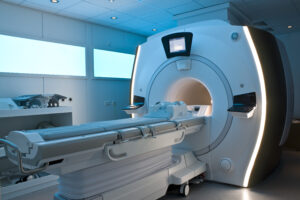
A medical specialty that employs imaging techniques such as X-rays, CT scans, MRI, and ultrasound to detect and monitor diseases. - Oncology:
The branch of medicine focused on cancer research, diagnosis, and treatment, including chemotherapy, radiation therapy, and surgical interventions.
Interrelationship Between Radiology and Oncology
Radiology and oncology have traditionally functioned as parallel disciplines, yet their interdependence is undeniable. Imaging is fundamental to oncology, providing critical insights into tumor location, size, and response to treatment. This symbiotic relationship underscores the potential benefits of a collaborative framework, where radiologists and oncologists work closely to enhance diagnostic accuracy and therapeutic outcomes.
Role of Imaging in Cancer Care
Accurate imaging is essential for staging cancer, guiding biopsies, planning radiation therapy, and monitoring treatment effectiveness. Radiologists provide oncologists with detailed visual information that informs clinical decisions, making imaging an indispensable component of comprehensive cancer management.
Advancements Driving Integration
Recent technological and scientific developments have paved the way for a more integrated approach between radiology and oncology, particularly in the context of personalized medicine and artificial intelligence.
Personalized Medicine and Radiogenomics
Personalized medicine tailors treatment to individual patient characteristics, and the fusion of radiology with genomics-known as radiogenomics-exemplifies this trend. By linking imaging features with genetic data, clinicians can better predict how tumors will respond to specific therapies and identify potential resistance mechanisms. This interdisciplinary approach enhances the precision of cancer treatment strategies.
Artificial Intelligence in Diagnosis and Treatment Planning
AI technologies are revolutionizing both radiology and oncology by improving the detection of cancerous lesions and enabling data-driven treatment decisions. Machine learning algorithms analyze imaging data to identify subtle abnormalities, while integrated AI systems assist oncologists in optimizing therapy plans. Training programs that combine expertise in both fields are essential to prepare clinicians for this technologically advanced landscape.
Challenges to Unification
Despite the promising advantages, merging radiology and oncology into a single program presents several obstacles related to education, professional culture, and resource management.
Differences in Training and Professional Focus
Radiology education emphasizes imaging sciences and technical proficiency, whereas oncology training centers on systemic therapies and clinical research. Creating a unified curriculum requires balancing these distinct areas to preserve the depth of knowledge in each while fostering interdisciplinary competence.
Financial and Resource Considerations
Implementing a combined program demands significant investment in infrastructure, technology, and personnel. Healthcare systems must evaluate whether the anticipated improvements in patient care justify the associated costs and develop sustainable models to support this integration without compromising existing services.
Impact on Patient Care
Integrating radiology and oncology has the potential to streamline clinical workflows, reduce delays in diagnosis and treatment initiation, and enhance overall patient satisfaction. A multidisciplinary approach encourages comprehensive management of complex cancer cases, ensuring that patients benefit from coordinated expertise.
Ethical Implications
Combining these specialties also raises important ethical questions concerning patient autonomy, informed consent, and potential conflicts of interest. Establishing standardized protocols and shared decision-making frameworks within a unified program can promote transparency and uphold patient trust throughout the treatment process.
Emerging Trends: Telemedicine and Remote Collaboration
The rise of telemedicine offers new opportunities for integrated radiology-oncology care. Virtual consultations enable real-time collaboration between specialists regardless of geographic location, expanding access to expert cancer care. A unified program can leverage telehealth technologies to facilitate seamless communication and improve treatment timeliness for patients worldwide.
Conclusion: The Future of Integrated Cancer Care
The proposal to merge radiology and oncology into a single, cohesive program signifies a transformative shift in cancer treatment paradigms. While it promises enhanced personalized medicine, improved interdisciplinary collaboration, and better patient outcomes, it also requires overcoming significant educational, financial, and ethical challenges. Commitment to innovation and thoughtful restructuring of training and clinical practices will be essential. Ultimately, this integration could foster a more holistic approach to cancer care and inspire future healthcare professionals to prioritize collaborative, patient-centered treatment strategies.
FAQ
What is the main relationship between radiology and oncology?
Radiology provides critical imaging tools that oncologists use to diagnose, monitor, and treat cancer, making their collaboration essential in cancer care.
How does radiogenomics contribute to cancer treatment?
Radiogenomics combines imaging data with genetic information to predict treatment responses and resistance, allowing for tailored therapeutic strategies.
What educational changes are needed for a unified radiology-oncology program?
Curricula must be redesigned to integrate imaging science with systemic cancer therapies, ensuring comprehensive training across both disciplines.
Is integrating radiology and oncology cost-effective?
While initial investments may be high, integration could improve efficiency and patient outcomes, potentially offsetting costs over time.
Can telemedicine support combined radiology and oncology care?
Yes, telemedicine facilitates remote consultations and real-time collaboration, improving access and coordination between specialists.



Leave a Reply