

Short Answer
Understanding the Role of Medical Physics in NASA
For many aspiring scientists and engineers, the idea of working at NASA is highly appealing. Those with a background in medical physics often wonder if their degree can open doors within this prestigious agency. The answer is nuanced, as NASA’s broad range of scientific and technological pursuits intersects with numerous disciplines, including medical physics. This article explores how expertise in medical physics can be applied in aerospace and space exploration contexts, highlighting potential career paths and opportunities.
Definition and Scope of Medical Physics
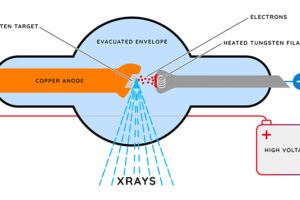
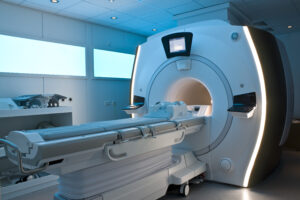
Medical physics is a specialized branch of physics focused on applying physical principles to medicine, particularly in diagnosing and treating diseases. It primarily involves the use of radiation for imaging and therapeutic purposes, such as X-rays, MRI, CT scans, and radiation therapy.
- Radiation in Medicine:
Utilization of ionizing and non-ionizing radiation for medical imaging and cancer treatment. - Diagnostic Technologies:
Development and optimization of imaging modalities to improve disease detection and monitoring. - Therapeutic Applications:
Designing and implementing radiation treatments to target and destroy malignant cells.
Medical Physics and Space Medicine: A Critical Intersection
One of the most significant links between medical physics and NASA lies in the domain of space medicine. Astronauts face unique physiological challenges during space missions, including exposure to cosmic radiation, muscle degradation, and bone density loss due to microgravity. Medical physicists play a vital role in understanding these health risks and developing strategies to mitigate them.
- Radiation Safety:
Assessing and managing the effects of space radiation on human health. - Health Risk Analysis:
Studying biological impacts of radiation and microgravity on astronauts. - Research Roles:
Positions such as radiation physicist or health physicist focus on safeguarding astronaut health through scientific research.
Innovations in Medical Technology for Space Exploration
Medical physicists contribute to the advancement of diagnostic and therapeutic technologies that are crucial for space missions. Imaging tools like MRI and CT scanners, essential on Earth, are also vital for monitoring astronaut health in space. Collaborations between medical physicists, engineers, and aerospace medicine specialists drive innovation in these technologies, potentially revolutionizing healthcare both in space and on Earth.
- Imaging Technology Development:
Enhancing portable and efficient imaging systems suitable for space environments. - Interdisciplinary Projects:
Combining expertise from medical physics, engineering, and aerospace medicine to create novel solutions. - Impact on Terrestrial Medicine:
Innovations developed for space can translate into improved healthcare technologies on Earth.
Medical Physics in Spacecraft Life Support Systems
Another critical area where medical physicists contribute is in the design and maintenance of life support systems aboard spacecraft. These systems regulate environmental factors such as air quality and radiation shielding, which are essential for astronaut safety. Medical physicists apply their knowledge of radiation dose calculations and risk assessments to optimize these systems and develop emergency medical protocols for space missions.
- Environmental Control:
Ensuring air quality and radiation protection within spacecraft. - Risk Assessment:
Evaluating potential health hazards and improving safety measures. - Emergency Protocols:
Creating medical response plans for in-flight health emergencies.
Qualifications and Skills for NASA Careers in Medical Physics
To enhance employment prospects at NASA, candidates with a medical physics background should pursue additional qualifications and experiences. A solid grasp of biomedical engineering principles and aerospace medicine is highly beneficial. Engaging in specialized training, certifications, and professional networking can provide valuable insights and connections within the space medicine community.
- Advanced Education:
Supplementing medical physics with aerospace medicine or engineering degrees. - Professional Development:
Attending conferences and joining organizations related to space medicine. - Continuous Learning:
Participating in workshops and certifications to stay current with evolving technologies.
Essential Personal Attributes for Success at NASA
Beyond technical expertise, thriving at NASA requires a combination of personal qualities. Problem-solving skills, creativity, and teamwork are crucial in navigating the complex and unpredictable challenges of space exploration. Candidates must be prepared to demonstrate these attributes throughout the hiring process.
- Collaborative Mindset:
Working effectively with multidisciplinary teams of engineers, scientists, and medical professionals. - Adaptability:
Embracing change and continuous learning in a fast-evolving field. - Innovative Thinking:
Developing creative solutions to unprecedented problems.
The Importance of Interdisciplinary Collaboration
Medical physicists at NASA often collaborate with diverse professionals, fostering an environment of innovation and knowledge exchange. This multidisciplinary approach enhances problem-solving capabilities and drives progress in space missions, ultimately contributing to the success of exploring new frontiers.
- Team Synergy:
Combining expertise from various fields to tackle complex challenges. - Knowledge Sharing:
Facilitating the flow of ideas across traditional disciplinary boundaries. - Mission Success:
Leveraging collaborative efforts to achieve NASA’s exploration goals.
Conclusion: Opportunities for Medical Physicists at NASA
A degree in medical physics can indeed open pathways to a career at NASA, especially in areas intersecting space medicine, health risk management, and medical technology innovation. By augmenting their foundational knowledge with relevant qualifications and experiences, medical physicists can position themselves as valuable contributors to NASA’s mission. With dedication and a passion for the convergence of medicine and space exploration, individuals can transform their academic background into a rewarding career at one of the world’s leading space agencies.
FAQ
Can a medical physicist apply directly to NASA?
Yes, medical physicists can apply to NASA for roles related to radiation safety, space medicine, and biomedical technology development, although additional qualifications in aerospace or engineering may improve their prospects.
What additional qualifications help medical physicists work at NASA?
Qualifications in aerospace medicine, biomedical engineering, and experience with space-related health risks enhance a medical physicist's candidacy at NASA.
What roles can medical physicists perform at NASA?
Medical physicists at NASA may work as radiation physicists, health physicists, researchers in space medicine, or contributors to life support system design and astronaut health monitoring.
Is interdisciplinary collaboration important for medical physicists at NASA?
Yes, working collaboratively with engineers, scientists, and medical experts is essential for addressing complex challenges in space exploration.



Leave a Reply