

Short Answer
Definition
The question, “Can a physicist become a doctor?” explores the possibility and implications of transitioning from the study of physics-a fundamental science concerned with the laws of nature-to the practice of medicine, which centers on diagnosing, treating, and preventing illness in humans. This inquiry highlights the intersection of two distinct yet complementary disciplines and reflects the growing trend of interdisciplinary expertise in modern education and professional careers.
Distinct Domains: Physics and Medicine
Physics is a core scientific discipline dedicated to understanding matter, energy, and their interactions through mathematical models and empirical research. Medicine, on the other hand, integrates scientific knowledge with the art of patient care, focusing on health, disease management, and ethical considerations in treatment. Despite their differences, both fields rely heavily on critical thinking, analytical reasoning, and a deep comprehension of natural principles.
Interdisciplinary Connections
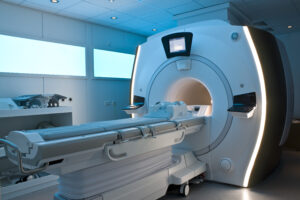
Modern scientific progress increasingly depends on collaboration across various fields. A prime example is medical physics, where physicists apply their expertise to develop and improve medical technologies such as magnetic resonance imaging (MRI), computed tomography (CT) scans, and radiotherapy for cancer treatment. This synergy demonstrates how a background in physics can significantly contribute to advancements in healthcare and medical technology.
Transitioning from Physics to Medicine
Shifting from physics to medicine involves more than acquiring new knowledge; it requires a fundamental change in perspective. While physics education sharpens analytical and problem-solving skills, medicine demands empathy, ethical responsibility, and a patient-centered approach. The contrast between abstract physical laws and the tangible realities of human health can enrich understanding in both areas, allowing physicists to bring innovative viewpoints to medical challenges.
Educational Pathways and Skill Adaptation
Becoming a physician typically requires a solid foundation in biological sciences such as anatomy, physiology, and biochemistry-areas that may not be extensively covered in a physics curriculum. Prospective doctors with a physics background often need to complete additional coursework to bridge this gap. Nevertheless, the rigorous analytical training in physics equips them with a strong framework for mastering medical sciences and excelling in evidence-based medical practice.
Societal and Professional Implications
The journey from physicist to doctor also prompts reflection on professional identity and societal perceptions of expertise. Traditional career paths often maintain clear boundaries between disciplines, but the complexity of contemporary health issues encourages a more integrated approach. Combining knowledge from physics, biology, engineering, and clinical medicine fosters a versatile professional identity that is increasingly valuable in both scientific and healthcare communities.
Biomedical Engineering: A Case Study in Interdisciplinary Innovation
Biomedical engineering exemplifies the fusion of physics, materials science, and biology to create technologies that enhance patient care. Innovations such as advanced prosthetics, imaging devices, and targeted drug delivery systems rely heavily on principles derived from physics. Professionals who bridge physics and medicine possess unique insights that enable them to navigate and innovate within the rapidly evolving landscape of medical technology.
Challenges in the Medical Transition
Embarking on a medical career demands significant dedication, including extensive clinical training and the development of interpersonal skills. For physicists, adapting to the collaborative and empathetic nature of patient care can be challenging, as it contrasts with the often solitary and theoretical focus of physics research. Effective communication and emotional resilience become essential competencies alongside scientific expertise.
Holistic Healthcare Through Interdisciplinary Perspectives
Physicists entering the medical field can promote a more comprehensive approach to health by integrating advanced analytical methods with an understanding of physiological, psychological, and environmental factors. This holistic viewpoint encourages interdisciplinary dialogue and can lead to more effective and personalized treatment strategies that address both physical and mental well-being.
Contributions to Medical Research
Beyond clinical practice, physicists transitioning into medicine often engage in research that advances our understanding of diseases and treatment efficacy. Their proficiency in the scientific method and quantitative analysis enables them to explore complex biological systems, develop innovative medical technologies, and contribute to evidence-based improvements in patient care.
Why This Transition Matters
The movement from physics to medicine represents more than a career change; it signifies an evolution in thinking that merges rigorous scientific inquiry with compassionate healthcare. This interdisciplinary integration enriches both fields, fostering innovations that can transform medical practice and deepen our comprehension of health and disease. As disciplinary boundaries continue to blur, such cross-pollination of expertise is poised to redefine the future of science and medicine.
FAQ
Can a physicist become a doctor?
Yes, a physicist can transition to a medical career by completing the necessary education and training in the biological sciences.
What additional coursework is needed for a physicist to become a doctor?
Physicists typically need to complete courses in anatomy, physiology, and biochemistry to meet medical school requirements.
What are the challenges faced by physicists transitioning to medicine?
Challenges include adapting to the collaborative and empathetic nature of patient care, which differs from the solitary focus of physics research.



Leave a Reply