

Short Answer
Understanding the Role of X-Ray Technicians
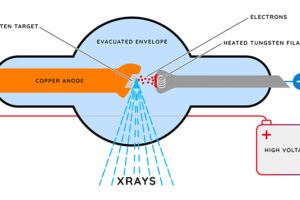
X-ray technicians, also known as radiologic technologists, play a crucial role in the healthcare system by performing diagnostic imaging procedures that utilize ionizing radiation. Their responsibilities extend beyond merely operating sophisticated imaging equipment; they are essential in capturing precise images that aid in diagnosing various medical conditions. Given their close interaction with radiation-emitting devices, concerns about their exposure to radiation and the potential health risks involved are both valid and significant.
Definition and Types of Radiation Exposure
Radiation exposure refers to the contact with ionizing radiation, a form of energy capable of removing tightly bound electrons from atoms, thus creating ions. This process can cause damage at the cellular level, potentially leading to adverse biological effects. In the context of radiology, ionizing radiation is the primary concern due to its ability to penetrate the body and produce diagnostic images.
- Ionizing Radiation:
This type of radiation has enough energy to ionize atoms and molecules, which can result in cellular damage and increase the risk of cancer. - Non-Ionizing Radiation:
Unlike ionizing radiation, this form does not carry enough energy to ionize atoms and is generally considered less harmful.
Measuring Radiation Exposure: The Concept of Effective Dose
The risk associated with radiation exposure is quantified using the effective dose, measured in sieverts (Sv). This metric accounts for the type of radiation and the sensitivity of different tissues and organs to radiation, providing a standardized way to assess potential health risks.
- Effective Dose (Sv):
A measure that reflects the risk of radiation exposure to the entire body, considering the varying sensitivities of different tissues. - Millisievert (mSv):
One-thousandth of a sievert, commonly used to express typical occupational and environmental radiation doses.
Occupational Radiation Exposure for X-Ray Technicians
Studies indicate that X-ray technicians typically receive an annual radiation dose ranging from 1 to 2 millisieverts (mSv). This exposure level is substantially below the regulatory occupational limit of 50 mSv per year, as established by health and safety authorities. The disparity between actual exposure and permissible limits underscores the effectiveness of current safety measures in protecting healthcare workers.
Safety Protocols and Protective Measures
To mitigate radiation risks, radiology departments implement stringent safety protocols. These include the use of personal protective equipment (PPE) such as lead aprons and shields, as well as strategic positioning and maintaining distance from radiation sources during imaging procedures. Additionally, the ALARA principle-“As Low As Reasonably Achievable”-guides all practices to minimize exposure without compromising diagnostic quality.
- Lead Aprons and Shields:
Protective garments that absorb scattered radiation, reducing exposure to vital organs. - Distance and Positioning:
Techniques that maximize the space between the technician and the radiation source to decrease dose. - ALARA Principle:
A safety philosophy aimed at keeping radiation exposure to the lowest possible level.
Training, Monitoring, and Regulatory Compliance
X-ray technologists undergo comprehensive education and certification programs emphasizing radiation safety and protection standards. Continuous monitoring of radiation exposure is conducted through dosimeters-small devices worn by technicians that track cumulative radiation doses. This monitoring ensures that exposure remains within safe limits and helps identify any need for enhanced protective measures.
Technological Advances and Their Impact on Safety
The field of radiology is continually evolving with innovations such as digital imaging and fluoroscopy, which offer improved diagnostic capabilities but also introduce new considerations for radiation safety. Healthcare institutions adapt by updating safety protocols and investing in advanced protective equipment to address these changes, ensuring that occupational exposure remains controlled despite technological progress.
Psychological Aspects of Radiation Exposure Awareness
Awareness of potential radiation hazards can lead to psychological stress among X-ray technicians, including anxiety and concern about long-term health effects. This highlights the importance of education, transparent communication, and supportive workplace environments to alleviate fears and promote a culture of safety and confidence.
Common Misconceptions About Radiation Exposure in Radiology
X-ray technicians are exposed to dangerous levels of radiation daily.
Actual exposure is typically well below regulatory limits due to effective safety measures.
Modern imaging technologies eliminate all radiation risks.
While advancements reduce exposure, strict protocols remain essential to maintain safety.
Significance of Radiation Safety in Medical Imaging
Ensuring the safety of X-ray technicians is vital not only for their health but also for maintaining the integrity of diagnostic imaging services. Proper radiation management protects healthcare workers and patients alike, enabling the continued use of essential imaging technologies that contribute significantly to modern medical diagnosis and treatment.
Conclusion: Balancing Risk and Benefit in Radiologic Practice
In summary, although X-ray technicians are exposed to some level of ionizing radiation, the comprehensive framework of safety protocols, monitoring, and education effectively minimizes associated risks. The ongoing dialogue between technological innovation and safety standards ensures that radiologic professionals can perform their duties with confidence, safeguarding both their well-being and the quality of patient care.
FAQ
Are X-ray technicians exposed to harmful amounts of radiation?
No, X-ray technicians are exposed to low levels of radiation that are well below regulatory occupational limits due to effective safety protocols and protective measures.
What safety measures protect X-ray technicians from radiation exposure?
Safety measures include the use of lead aprons and shields, maintaining distance from radiation sources, adherence to the ALARA principle, and continuous monitoring with dosimeters.
How is radiation exposure measured for X-ray technicians?
Radiation exposure is measured using the effective dose in sieverts (Sv), often expressed in millisieverts (mSv), which accounts for the type of radiation and tissue sensitivity.
Do newer imaging technologies eliminate radiation risks?
No, modern technologies reduce radiation exposure but do not eliminate it entirely, so strict safety protocols remain necessary.
What psychological impacts can radiation exposure awareness have on X-ray technicians?
Awareness of radiation risks can cause anxiety and stress, highlighting the importance of education, transparent communication, and supportive workplace environments.



Leave a Reply