
Short Answer
Understanding Nuclear Reactions in the Human Body
The question of whether nuclear reactions occur within the human body invites a fascinating exploration at the intersection of biology, chemistry, and physics. While nuclear reactions are commonly associated with large-scale phenomena such as stars and nuclear reactors, subtle nuclear processes do indeed have a presence in biological systems, albeit in a form distinct from those high-energy environments.
Definition of Nuclear Reactions
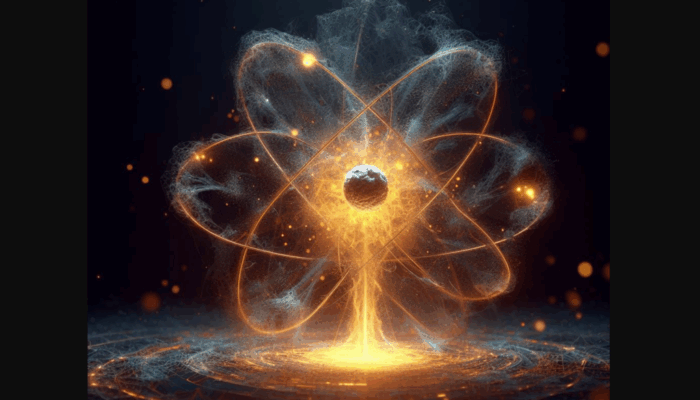
Nuclear reactions refer to processes that involve changes within the nucleus of an atom, resulting in the transformation of elements or the release of energy. These reactions are primarily classified into three types:
- Fission:
The splitting of a heavy atomic nucleus into smaller nuclei, releasing energy. - Fusion:
The combining of light atomic nuclei to form a heavier nucleus, accompanied by energy release. - Radioactive Decay:
The spontaneous breakdown of unstable atomic nuclei, emitting radiation and transforming into different elements.
Within the context of human physiology, the presence and impact of these nuclear processes vary significantly.
Radioactive Isotopes and Their Role in Biology
One of the clearest examples of nuclear reactions within the human body involves radioactive isotopes, particularly carbon-14. This isotope is naturally produced in the atmosphere and incorporated into living organisms through the carbon cycle. Upon the death of an organism, carbon-14 uptake stops, and its radioactive decay begins, providing a reliable method for dating ancient biological materials.
This decay process, although imperceptible during a human lifespan, demonstrates that nuclear transformations subtly influence biological matter. Additionally, radioactive decay is harnessed in medical diagnostics and treatments, such as Positron Emission Tomography (PET), where radioactive tracers emit positrons that produce gamma rays detectable by imaging devices, aiding in disease diagnosis.
Cellular Energy Conversion and Nuclear Reactions
While nuclear fusion-the merging of atomic nuclei-occurs under extreme conditions like those in stars, the energy transformations within human cells operate differently. Cellular respiration, the process by which cells convert glucose and oxygen into usable energy, involves chemical reactions at the atomic level but does not constitute nuclear reactions. Instead, it relies on electron interactions and chemical bond rearrangements to release energy stored in molecules.
ATP (adenosine triphosphate), the primary energy carrier in cells, is produced through these biochemical pathways. Although the energy transformations in ATP synthesis echo the concept of energy release seen in nuclear reactions, they fundamentally differ as they do not involve changes to atomic nuclei.
Cosmic Origins of Elements in the Human Body
The atoms composing the human body have a cosmic heritage. Hydrogen atoms originated from the Big Bang, while heavier elements such as carbon and oxygen were formed in the intense fusion reactions within stars and supernovae. This stellar origin of elements highlights a profound connection between human life and the universe, suggesting that our bodies are composed of matter shaped by nuclear processes on a cosmic scale.
Influence of Cosmic Rays on Human Biology
High-energy cosmic rays constantly bombard the Earth and, by extension, the human body. These particles can induce nuclear reactions at a microscopic level, occasionally causing the transmutation of elements within biological tissues. However, the frequency and impact of such interactions are minimal compared to the vast array of biochemical processes sustaining life.
Distinguishing Nuclear Reactions from Biochemical Processes
It is important to differentiate nuclear reactions from the biochemical interactions that govern life. Biochemical reactions involve the behavior of electrons and the formation or breaking of chemical bonds, driven by electromagnetic forces rather than nuclear forces. Enzymatic activities and metabolic pathways exemplify these processes, which, while intricate and essential, do not alter atomic nuclei.
Common Misconceptions About Nuclear Reactions in Humans
Nuclear fusion occurs within human cells.
Fusion requires extreme temperatures and pressures found in stars, not conditions present in the human body.
All energy in the body comes from nuclear reactions.
The body primarily derives energy from chemical reactions, not nuclear transformations.
Radioactive decay in the body is harmful at all times.
Natural levels of radioactive isotopes like carbon-14 are generally harmless and play a role in scientific dating methods.
Significance of Nuclear Phenomena in Human Life
Although nuclear reactions within the human body are limited and indirect, their presence underscores a deeper narrative about our existence. The radioactive decay of isotopes provides tools for scientific inquiry, while the cosmic origins of our elemental makeup connect us to the universe’s grand nuclear processes. Understanding these subtle nuclear influences enriches our appreciation of the complex forces shaping life and highlights the intricate interplay between physics and biology.
FAQ
Do nuclear reactions happen naturally in the human body?
Yes, natural radioactive decay such as carbon-14 decay occurs in the body, but nuclear fusion or fission reactions do not.
What is the significance of carbon-14 in the body?
Carbon-14 undergoes radioactive decay and is used in radiocarbon dating to determine the age of biological materials.
How is nuclear physics used in medical diagnostics?
Techniques like Positron Emission Tomography (PET) use radioactive isotopes to detect metabolic activity in tissues.
Can cosmic rays cause nuclear reactions in humans?
Cosmic rays can induce rare nuclear reactions, but their impact on human biology is minimal.
Are the elements in our bodies related to stellar nuclear reactions?
Yes, many elements in our bodies were formed through nuclear fusion in stars and supernova explosions.



Leave a Reply