
Short Answer
Definition of Freshwater Influence on North Atlantic Thermohaline Circulation
The interaction between freshwater inputs and the thermohaline circulation in the North Atlantic Ocean represents a critical component of Earth’s climate system. Thermohaline circulation, often described as the global ocean conveyor belt, is driven by variations in water density, which depend on temperature (thermo) and salinity (haline). Freshwater influxes-originating from sources such as glacial meltwater, river discharge, and precipitation-can significantly modify salinity levels, thereby influencing ocean circulation patterns and regional climate conditions.
- Thermohaline Circulation:
A large-scale ocean current system propelled by differences in water density due to temperature and salinity gradients. - Freshwater Influx:
The addition of low-salinity water into the ocean, primarily from melting ice sheets, rivers, and rainfall. - North Atlantic Role:
Acts as a key region where dense, salty water sinks, driving deep ocean currents that regulate global climate.
Mechanisms of Freshwater Impact on Ocean Circulation
Freshwater inputs alter the salinity and density of seawater, which are essential factors in maintaining the sinking of cold, salty water in the North Atlantic. When large volumes of freshwater enter the ocean, they reduce surface water salinity, decreasing its density. This reduction hampers the sinking process that fuels the deep limb of the thermohaline circulation. The disruption of this sinking mechanism can slow or even halt the circulation, leading to significant climatic consequences, including regional cooling.
Historical Context and Paleoclimatic Evidence
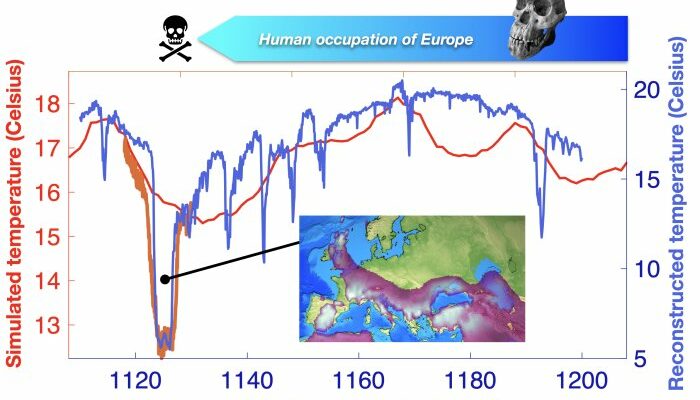
Scientific investigations into past climate events reveal the profound effects of freshwater influx on North Atlantic circulation. Ice core and sediment records document abrupt cooling episodes linked to massive freshwater discharges. A prominent example is the Younger Dryas period, which occurred approximately 12,900 to 11,700 years ago. During this time, meltwater from the Laurentide Ice Sheet flooded the North Atlantic, diluting seawater salinity and interrupting the Gulf Stream. This event triggered a rapid return to near-glacial conditions, profoundly affecting ecosystems and human societies in Europe and surrounding regions.
Ecological and Societal Implications
The cooling induced by freshwater disruptions extends beyond temperature changes, influencing marine biodiversity and human livelihoods. Lower water temperatures favor cold-adapted species, while warm-water organisms decline, altering marine food webs and fisheries. These ecological shifts necessitate adaptations in fishing practices and resource management for communities dependent on North Atlantic marine resources. The interconnectedness of climate, oceanography, and ecology underscores the cascading effects freshwater anomalies can have on both natural systems and human well-being.
Contemporary Relevance and Future Outlook
In the context of ongoing climate change, accelerated glacial melting is increasing freshwater inputs into the North Atlantic, raising concerns about potential disruptions to thermohaline circulation. Such changes could replicate or even intensify past cooling events, with widespread climatic and ecological repercussions. Understanding the historical precedents of freshwater-induced circulation changes is vital for predicting future climate scenarios and developing mitigation strategies.
Interdisciplinary Research and Public Engagement
Addressing the complexities of freshwater impacts on North Atlantic circulation requires collaboration across oceanography, climatology, ecology, and social sciences. Integrating diverse scientific perspectives enhances our comprehension of these processes and informs policy decisions. Furthermore, raising public awareness about the significance of freshwater dynamics in climate regulation empowers communities to participate in adaptive and resilient environmental practices.
Summary: The Importance of Freshwater Dynamics in Climate Systems
The influence of freshwater influx on the North Atlantic thermohaline circulation exemplifies the intricate interdependence within Earth’s climate system. Historical episodes like the Younger Dryas highlight how shifts in freshwater input can trigger profound climatic and ecological transformations. As humanity confronts the challenges of climate change, a deeper understanding of these processes is essential for anticipating future impacts and fostering sustainable stewardship of the planet’s oceanic and atmospheric systems.
FAQ
What is thermohaline circulation?
Thermohaline circulation is a large-scale ocean current system driven by differences in water density due to temperature and salinity.
How does freshwater impact ocean circulation?
Freshwater influx reduces salinity and density, affecting the sinking process of cold, salty water, which is crucial for thermohaline circulation.
What historical events illustrate the effects of freshwater on climate?
The Younger Dryas period is a notable example, where freshwater influx caused significant cooling and disrupted ocean currents.




Leave a Reply